
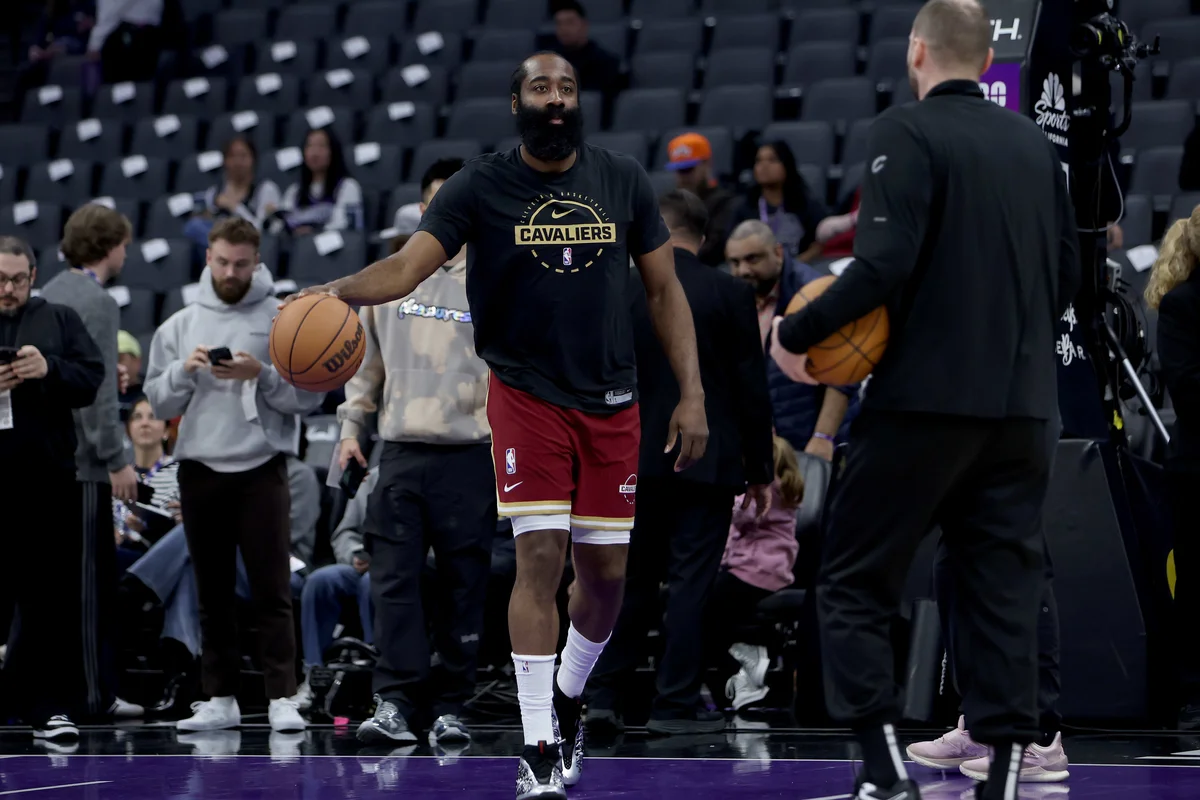
James Harden has quickly fulfilled the Cleveland Cavaliers’ expectations following their trade that sent All-Star guard Darius Garland to another team. By acquiring the 36-year-old future Hall of Famer, the Cavaliers officially shifted into a win-now mode, aiming to compete for the championship this season. Harden, a former MVP and 11-time All-Star, has already altered the team’s dynamics, marking a pivot from their younger core toward a more veteran-led pursuit of success in the Eastern Conference.
Since Harden’s arrival at the trade deadline, Cleveland holds a perfect 4-0 record. While the Cavaliers have yet to face many elite teams besides the Denver Nuggets, Harden’s leadership and on-court presence have been exactly what the team needed to begin challenging the conference’s top contenders.
Background: Harden’s Role Before Joining Cleveland
Before coming to Cleveland, Harden averaged 25.4 points and 8.1 assists while playing for the LA Clippers. His contributions helped the Clippers recover from a difficult start to the season and push for a playoff spot. However, Harden faced a new challenge with the Cavaliers: he needed to transition from being a high-usage, isolation-heavy player to fitting within a predetermined movement offense system.
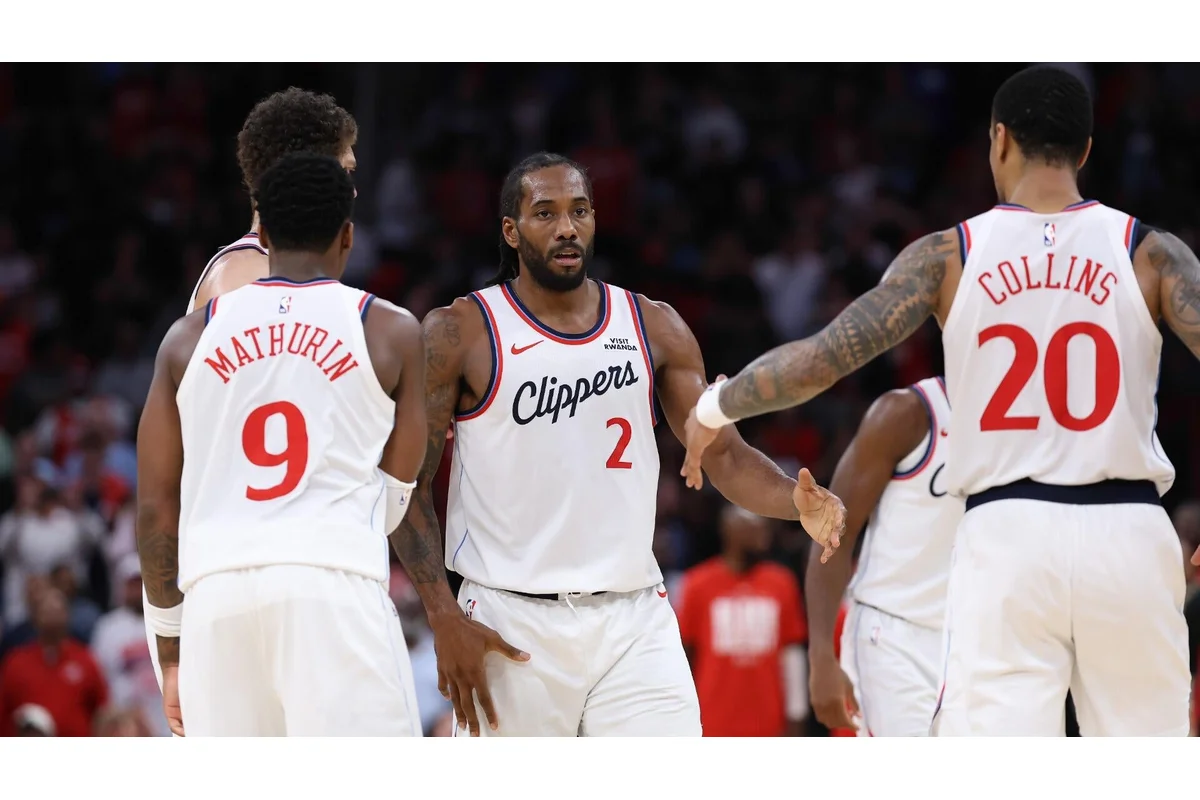
Darius Garland, who the Cavaliers traded away, was instrumental in establishing Cleveland’s recent success with his sharp footwork and precise passing, setting up teammates like Jarrett Allen and Evan Mobley for rolls and alley-oops. For Harden to contribute effectively, he had to find a way to thrive within this style while still leveraging his unique skills.
How Harden Fits Into Cleveland’s System
Harden’s career has often been defined by his dominant individual offensive play, which raised concerns about his compatibility with a team-oriented offense. While his ability to break down defenses on his own is well known, many questioned if this approach could mesh with the Cavaliers’ collaborative system. On defense, Harden offers some improvements over Garland. Standing 6-foot-5 and weighing 220 pounds, he can better absorb contact and switch onto bigger opponents, though defense remains a weak spot, particularly when his effort wanes.
Despite initial skepticism about trading away Garland for Harden—a player noted for friction during recent team changes—the early results have been positive. Harden has already put aside doubts by demonstrating his readiness to lead and support the Cavaliers.
Harden’s Performance Exceeds Expectations
Critics who labeled Harden as selfish have had to reconsider, as he’s proven to be a pass-first floor general who lifts his teammates. In his first three games with Cleveland, Harden recorded two double-doubles, one combining points and rebounds, and the other points and assists. His chemistry with Jarrett Allen and Jaylon Tyson is evident, as he expertly reads screen-and-roll opportunities and makes smart plays.
Harden’s defensive contributions have also been significant. Though not a premier one-on-one defender, his help defense and rotations have strengthened the Cavaliers’ overall defensive effort. He hustles back on fast breaks and positions himself strategically to support teammates defensively.
Improved Shot Selection and Efficiency in Cleveland
Beyond passing and defense, Harden’s basketball IQ and controlled shot selection have been crucial to his successful integration. In a recent game against the Brooklyn Nets, he started strong by making his first five attempts and finished shooting 75 percent from the field, including three successful three-pointers out of five attempts. Overall, Harden is shooting an efficient 42.1 percent from beyond the arc since joining the Cavaliers, attempting around 6.3 three-pointers per game.
Interestingly, Harden has reduced his shot volume, prioritizing efficiency over quantity. He now takes about 11 shots per game compared to 17.5 with the Clippers. This shift allows him to create space and draw defenders out of the paint, opening lanes for cutters like Allen and Tyson to finish at the rim. His presence spreads the floor, fostering offensive opportunities for his teammates rather than focusing solely on his own scoring.
Reduced Usage Rate Highlights Harden’s Team Approach
Harden’s usage rate has dropped to 22.9 percent, the lowest since his early years with the Oklahoma City Thunder when he played as a sixth man. This decreased demand for ball handling demonstrates Harden’s willingness to empower others around him, moving away from the isolation style that once defined his play. Instead of dominating the team, Harden now acts as a catalyst who elevates Cleveland’s overall performance.
Extending a Streak While Overcoming Challenges
While Harden’s postseason record has been mixed over recent years, he remains one of the most consistent players in NBA history when it comes to playoff appearances. Having qualified for the playoffs in each of his first 16 seasons, Harden is set to stretch that streak to 17 with the Cavaliers this year. This consistency reinforces his value as a championship-caliber player despite earlier doubts about his postseason impact.
Concerns about Harden joining Cleveland were understandable, given his reputation for postseason struggles and recent team changes. However, the early performances indicate that Harden’s arrival could be a turning point for the Cavaliers. His contributions have generated renewed hope for the team’s ability to compete deeply in the playoffs and contend for a title in the near future.
