
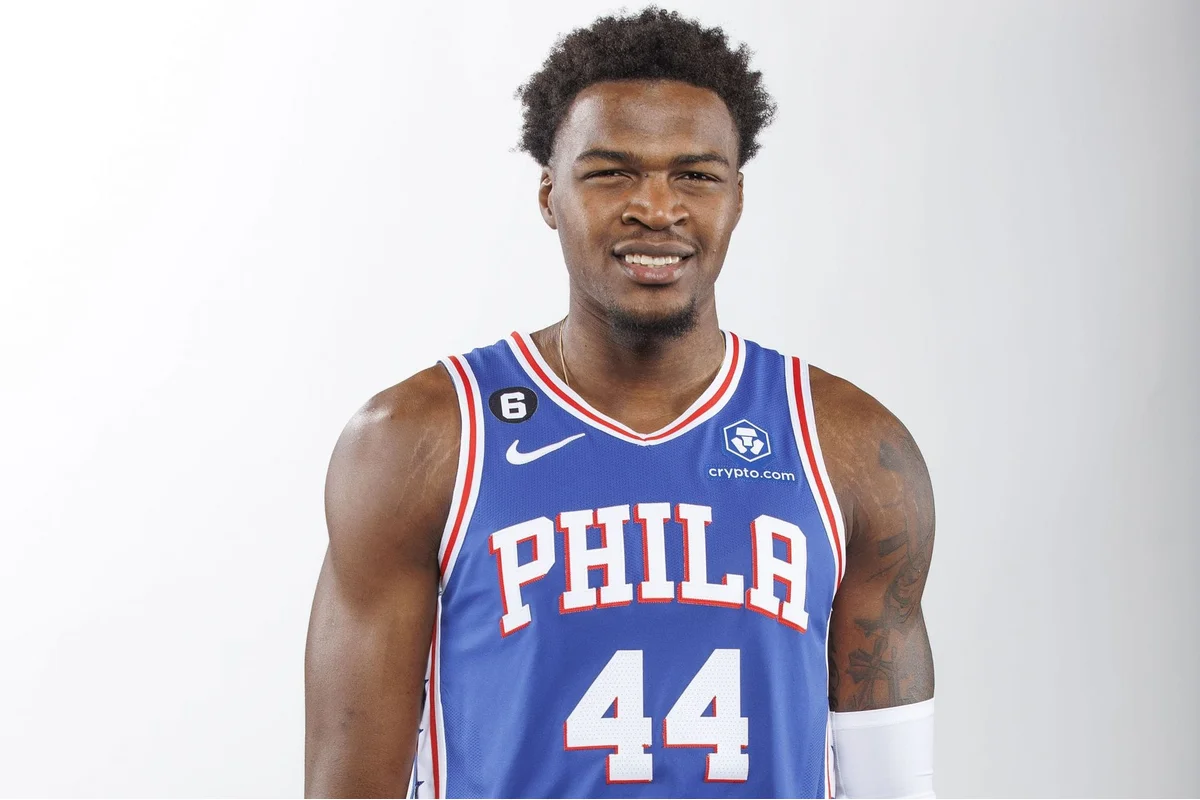
Paul Reed has emerged as a key player for the Detroit Pistons this NBA season, providing notable impact despite being the team’s third center. His bargain contract, paying $5.3 million this year and $5.6 million next—with the latter not fully guaranteed—makes him a valuable asset. However, with his performance steadily improving, the Pistons face a difficult decision on how to manage his increasing worth alongside their already costly roster.
Reed repeatedly showed his ability to contribute effectively, including in recent games when he held his own against the New York Knicks’ frontcourt while younger teammates Jalen Duren and Isaiah Stewart were sidelined. Although he wouldn’t typically be a third option on many other NBA teams, the Pistons’ depth at center limits his role despite his strong play.
Heavy Financial Commitments at Center Could Force Tough Decisions
Detroit’s situation is complicated by its commitments to other centers. Jalen Duren, fresh from his first All-Star selection, is approaching restricted free agency after the team passed on extending his rookie deal last offseason. His expected salary increase will add financial strain. Isaiah Stewart is already locked into a $15 million annual contract, intensifying the financial load attached to the center position.
When considering Reed’s contract, the combined expense for the Pistons’ three primary centers could approach $60 million, limiting flexibility elsewhere on the roster. While Reed currently remains a cost-effective option, market interest may drive his value upward, possibly leading Detroit to consider trading him in the future.
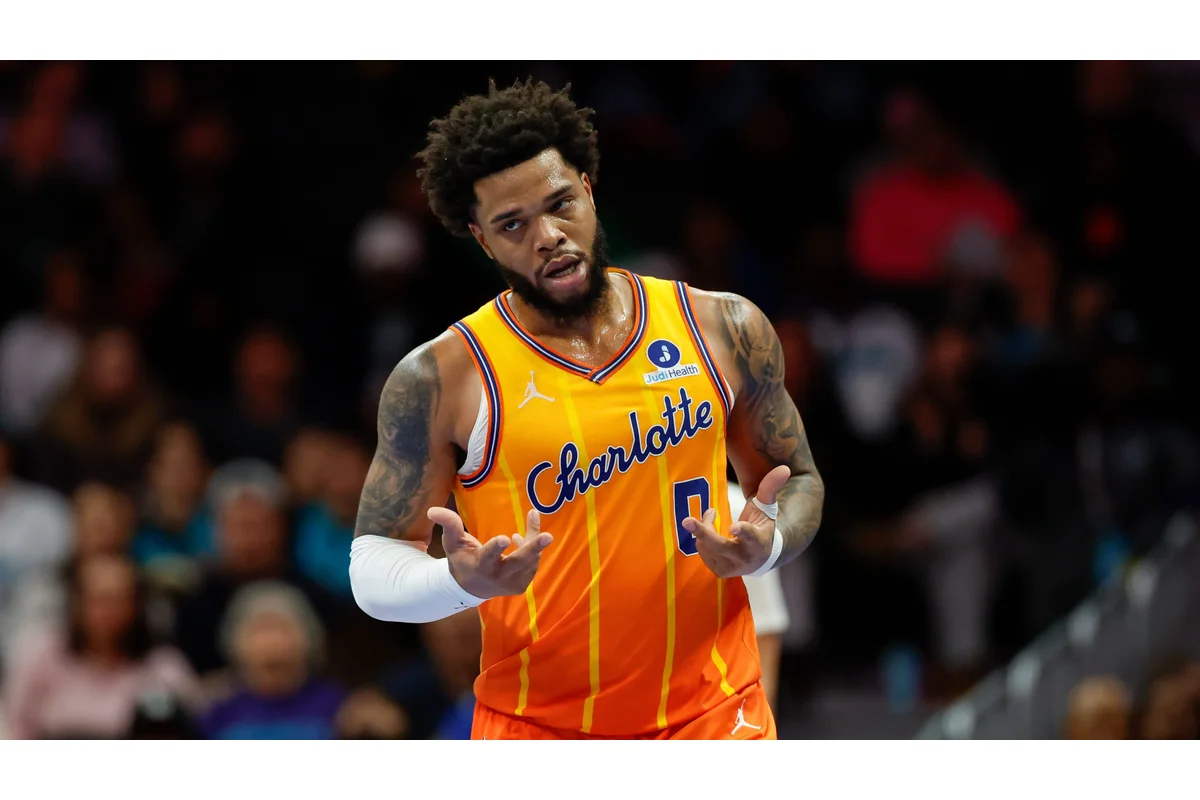
Tolu Smith represents a cheaper alternative who could fill the third center role, but Reed’s playing style aligns well with the Pistons’ system. He provides valuable depth in case of injuries or suspensions, making his retention preferable if budgets allow.
The Pressure to Balance Development and Salary Under Tax Constraints
Detroit’s roster construction underscores the importance of developing young talent affordably, especially under tight salary cap and tax regulations. As the team’s top players command higher salaries, the Pistons may need to rely more on low-cost contributors to maintain competitiveness and roster flexibility. This approach parallels the strategy used to bring in players like Daniss Jenkins, who provide quality minutes without burdening the payroll.
The financial burdens at the center position, combined with rising contract demands, make it critical for the Pistons to manage their investments carefully. How they resolve the Paul Reed Pistons dilemma could have meaningful impacts on their overall team balance and future roster moves.
“He’s going to get paid, which means the Pistons will have a ton of money tied up in the center position with Isaiah Stewart already under contract for $15 million a year.” – Trajan Langdon, Pistons Executive
“Let’s hope it doesn’t come to that, as Reed plays Detroit basketball and is a nice weapon to have if someone gets hurt or suspended.” – Trajan Langdon, Pistons Executive
