
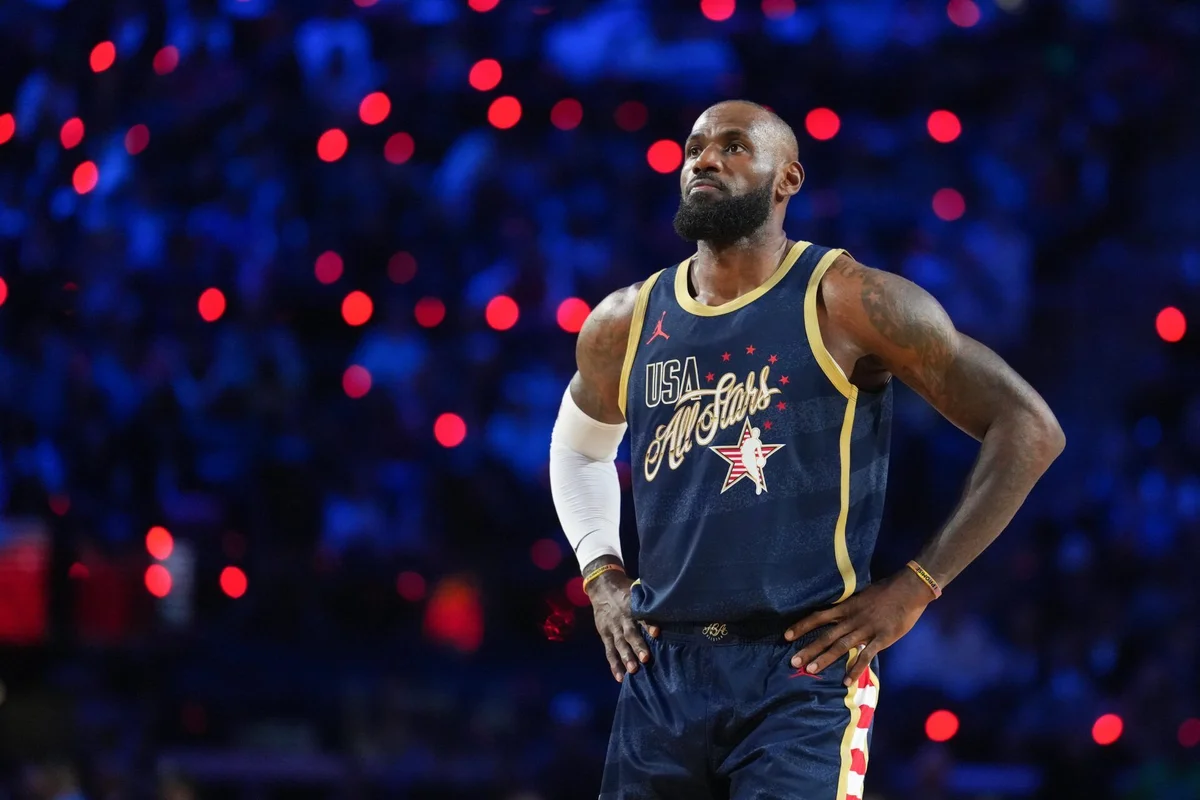
Paul Pierce, former NBA star, recently expressed strong criticism of LeBron James’ choice to leave the Cleveland Cavaliers for the Miami Heat in 2010, arguing that this moment marked a turning point that damaged the NBA’s long-standing culture of player loyalty. Speaking on the podcast No Fouls Given, Pierce highlighted the shift away from players dedicating their entire careers to a single franchise, saying this change deeply unsettled the traditional values of the league.
I hate that the game has come to this. When you look at old school players, win, lose, or draw, they die with their franchise. They want to die with their fans. Unfortunately, we’re in the space where that’s not the issue.
?Paul Pierce, Former NBA Player
The move by James, who was once the hometown hero for Cleveland after being drafted in 2003, ignited a new era in the NBA where player movement became more common and loyalty to one team less expected.
How LeBron’s Move to Miami Influenced NBA Player Culture
Pierce went on to call LeBron a “pioneer” for what followed in the league — a culture where players, empowered to control their own careers, began frequently switching teams in search of better opportunities and championship chances. This trend has challenged the image of the “franchise player,” someone who remains committed to a single organization throughout their prime years.
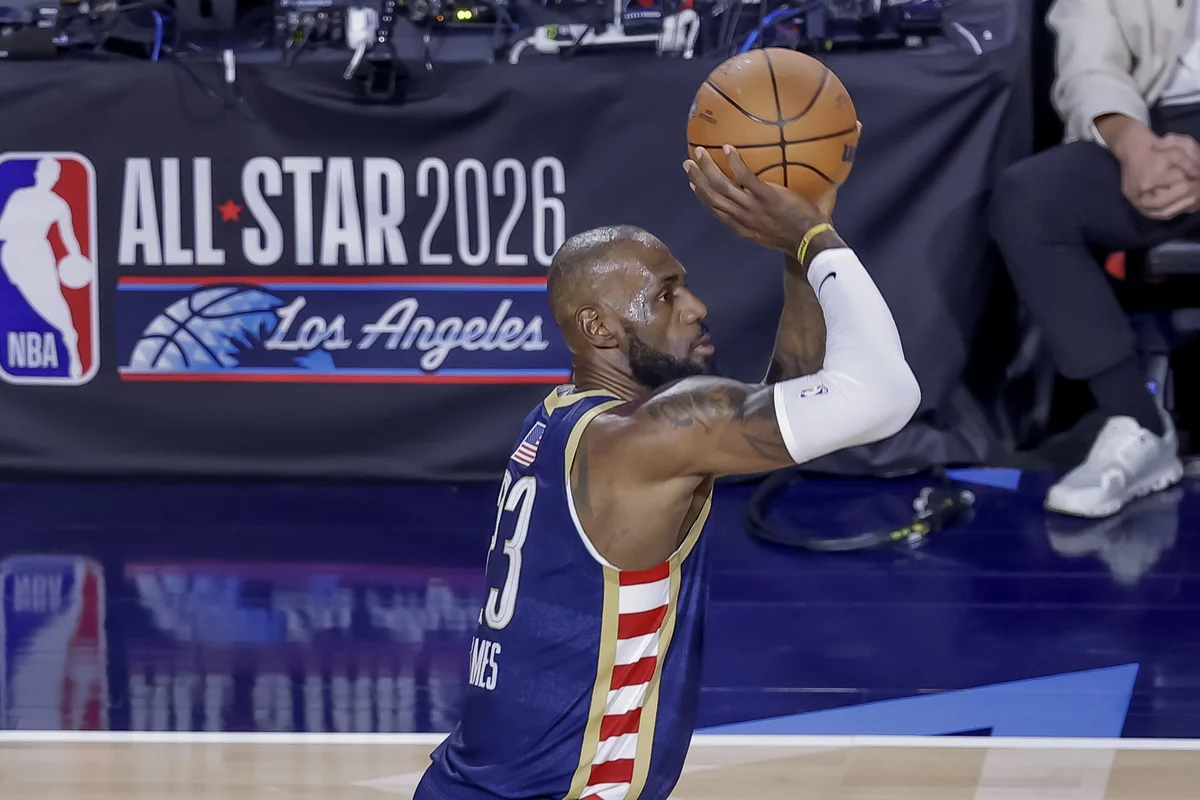
I think it all started with LeBron, truthfully, going to Miami. Guys was like, we control our future. He’s the pioneer of this, what we’re seeing with guys jumping around. There’s no more franchise player,
he explained during the podcast.
LeBron’s decision was famously announced during a televised special called The Decision, in which he revealed his plan to join stars Dwyane Wade and Chris Bosh in Miami. This moment stands out as a key cultural shift, where player empowerment expanded, but at the cost of long-established team loyalty.
Stephen Curry’s Role as a Last Vestige of Loyalty
While the current NBA largely embraces player movement, Pierce singled out Stephen Curry as one rare exception who continues to represent the old-school mindset of sticking with one franchise. Pierce said he views Curry as potentially the last player embodying that traditional loyalty in today’s changing landscape.
I think Steph Curry is the last guy who will do that. This is the culture that we are in,
Pierce added.
LeBron James’ Career Path and Championship Impact
Since his NBA debut in 2003, LeBron James has forged an extraordinary career marked by multiple team changes and championship success. After leaving Cleveland in 2010 for Miami, he returned to the Cavaliers in 2014 and led them to a long-awaited NBA title in 2016. In 2018, he joined the Los Angeles Lakers, continuing his quest for further championships.
James currently averages 22.0 points, 7.1 assists, and 5.8 rebounds per game. With the Lakers positioned well in the playoff race, many watch closely to see if he can guide the team to another championship, further cementing his legacy as a franchise-altering player regardless of the city he represents.
Significance of LeBron’s Impact on NBA Culture
LeBron James’ Heat move not only altered his own career trajectory but, according to voices like Paul Pierce, fundamentally changed how players approach team loyalty in the NBA. This shift has sparked ongoing debate about player allegiance, fan connections, and the evolving identity of professional basketball. While some lament the loss of “die-hard” players who stick with one city, others embrace the freedom athletes now have in shaping their careers.
As the league continues to evolve, the tension between tradition and modern player empowerment remains a central storyline, influenced heavily by LeBron’s landmark decision over a decade ago.
Paul Pierce believes when LeBron joined the Miami Heat, it ruined players being loyal to one franchise 👀
“I hate the game has come to this. When you look at old school players win lose or draw they die with their franchise. They want to die with their fans. Unfortunately we’re… pic.twitter.com/xirHZjEcWS
— Heat Central (@HeatCulture13) February 20, 2026
