
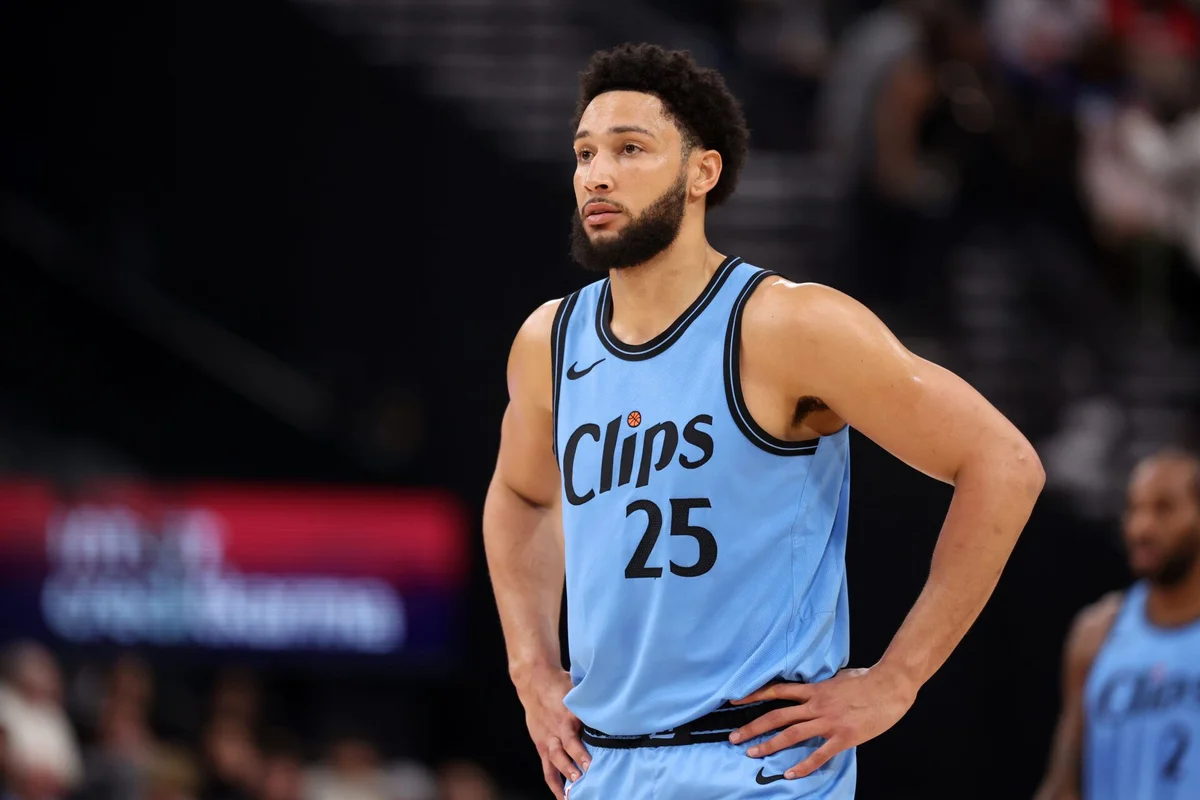
Following Team USA’s overtime victory against Team Canada to claim their third Olympic gold in men’s hockey, a debate comparing Auston Matthews, the US team captain, with NBA player Ben Simmons has sparked widespread discussion on social media. During the game, Matthews set up a play perfectly with an unobstructed shot but elected not to shoot, opting instead to pass the puck toward the net. This decision ignited comparisons to Ben Simmons’ well-known reluctance to take shots in key moments.
Fans quickly reacted online, sharing humorous memes that highlighted a similar moment when Simmons, then with the Philadelphia 76ers, had a clear path for an open dunk but passed the ball instead, which led to a missed scoring opportunity for his teammate. One user captured the sentiment plainly:
“Auston Matthews Ben Simmons Not shooting it in close”
Another comment succinctly echoed:
“Auston Matthews’s is the Ben Simmons of the NHL. Never heard a more perfect comparison. (Watch him go score in Ot now)”
Adding a sharp jab at Simmons’ shooting struggles, one sarcastic fan noted:
“Sure, but I’ll bet anything that Auston Matthews could hit more free throws blindfolded than Ben Simmons could with two eyes.”
Ben Simmons, drafted first overall in 2016, remains a controversial figure in the NBA due to his inconsistent offensive contributions, especially from shooting range. His reputation has led to doubts about his trade value, as many teams hesitate to invest resources in acquiring him.
Team USA Clinches Dramatic Overtime Win Over Canada
In a highly anticipated Olympic final, Team USA bested defending champions Team Canada 2-1 in overtime, marking a monumental moment as the Americans ended a 46-year gold medal drought in men’s hockey. This was the third Olympic final meeting between the teams and the first since Sidney Crosby’s iconic winning goal in 2010.
Canada was pursuing a historic 10th gold medal, aiming to extend its dominance in the sport, but the US team capitalized when it mattered most. Jack Hughes scored the decisive goal just under two minutes into extra time, securing the victory for the American side.
The Significance of the Matthews-Simmons Comparison
The comparison between Matthews and Simmons highlights an ongoing frustration among fans about players who hesitate to take responsibility in crucial scoring moments. Matthews, despite his undeniable skill on ice and leadership as captain, faced criticism similar to the challenges Simmons has endured in the basketball arena. Both athletes have been spotlighted for their perceived reluctance to shoot when opportunities arise.
This social media debate reflects broader concerns about the pressure placed on top athletes to deliver offensive results consistently. For Simmons, whose career trajectory has been closely watched since his NBA debut, these discussions add to the tension surrounding his place in professional basketball. Meanwhile, Matthews’ performance in the Olympics and his role in delivering a gold medal for the US deepen expectations for him to assert himself offensively.
As fans continue to dissect these moments, the contrasting dynamics of hockey and basketball shooting behaviors emerge, emphasizing the complexity of decision-making in high-pressure sports.
What Lies Ahead for Both Players
With Team USA’s recent triumph, Auston Matthews has reinforced his status as a leading figure in international hockey, yet the chatter about his shooting decisions suggests scrutiny will remain intense. For Ben Simmons, the comparison serves as a reminder of his ongoing challenges to regain confidence and value within the NBA.
Both players’ futures depend heavily on how they adapt to expectations in their respective sports. Matthews will likely face continued pressure to translate scoring opportunities into goals, while Simmons must improve his offensive assertiveness to revive his standing among NBA elite.
This debate not only underscores individual performance issues but also offers insight into fan perceptions of athletic responsibility and the fine line between teamwork and personal initiative under pressure.
Auston Matthews Ben Simmons
🤝
Not shooting it in close pic.twitter.com/FgamICZmRd— B/R Open Ice (@BR_OpenIce) February 22, 2026
Auston Matthews pic.twitter.com/x9sR3qFliD
— Pardon My Take (@PardonMyTake) February 22, 2026
Auston Matthews’s is the Ben Simmons of the NHL 😂. Never heard a more perfect comparison. (Watch him go score in Ot now)
— DealTheCards1 (@DealTheCards15) February 22, 2026
