
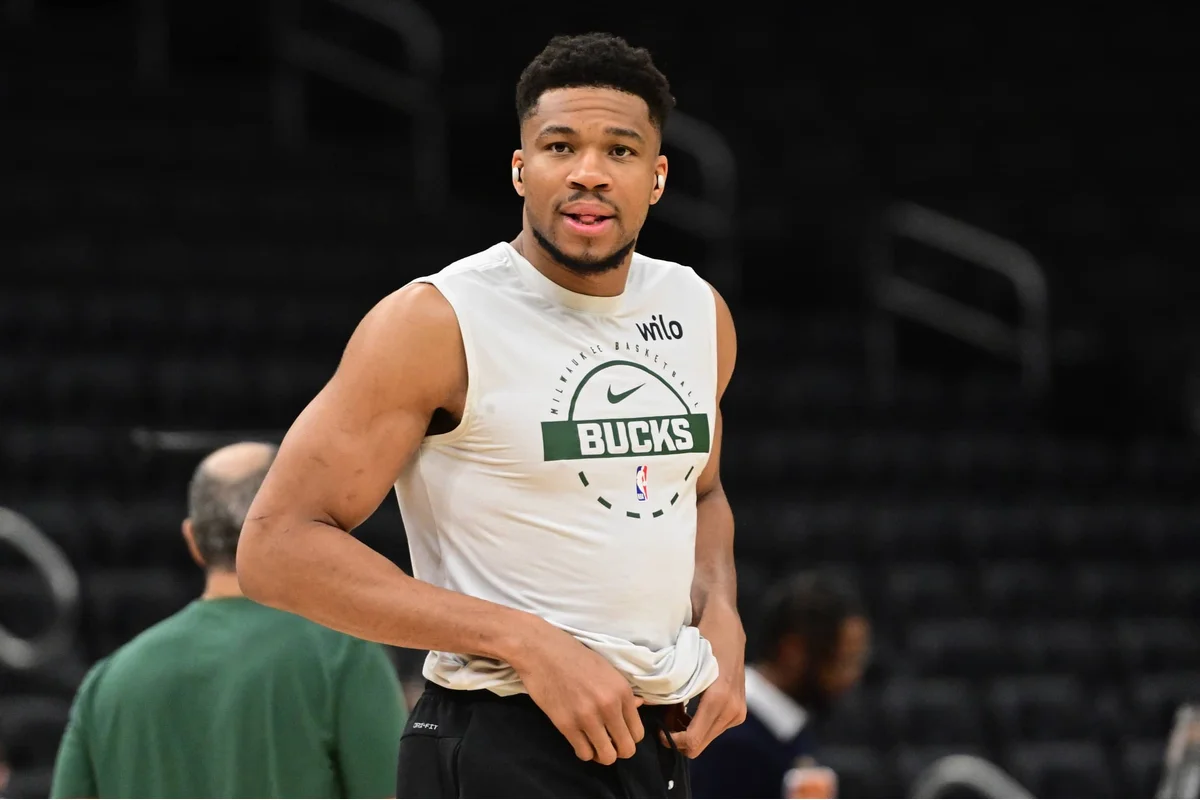
Giannis Antetokounmpo’s involvement with the $11 billion prediction market company Kalshi has drawn legal attention from the NCAA, which has ordered the firm to stop using protected trademarks such as March Madness. This dispute surfaced in February 2026 after NCAA officials discovered that Kalshi’s platform featured unauthorized references to their intellectual property, despite the company’s partial removal efforts.
The NCAA’s demands stem from concerns about both trademark infringement and the potential public misperception of an official affiliation. The organization maintains strict control over its marks and opposes prediction markets related to college sports altogether, a stance reaffirmed by NCAA President Charlie Baker in late 2025.
Trademark Enforcement Adds Pressure Beyond NBA Controversies
The trademark conflict emerges amid other discussions regarding Antetokounmpo’s connection to Kalshi. After purchasing a minority stake in the company near the NBA trade deadline, Giannis found himself at the center of debates about conflicts of interest since Kalshi ran a market on his next team. NBA Commissioner Adam Silver confirmed the ownership stake was minor and did not violate league rules.
From what I understand, it’s a minuscule investment, much smaller than one percent, so that does not violate the rules that have been collectively bargained with the Players’ Association.
— Adam Silver, NBA Commissioner
Although Silver’s statement resolved NBA regulatory concerns, the NCAA’s intervention introduces a separate legal challenge focused on intellectual property held by college sports, complicating Kalshi’s operations during a critical time in the sports calendar.
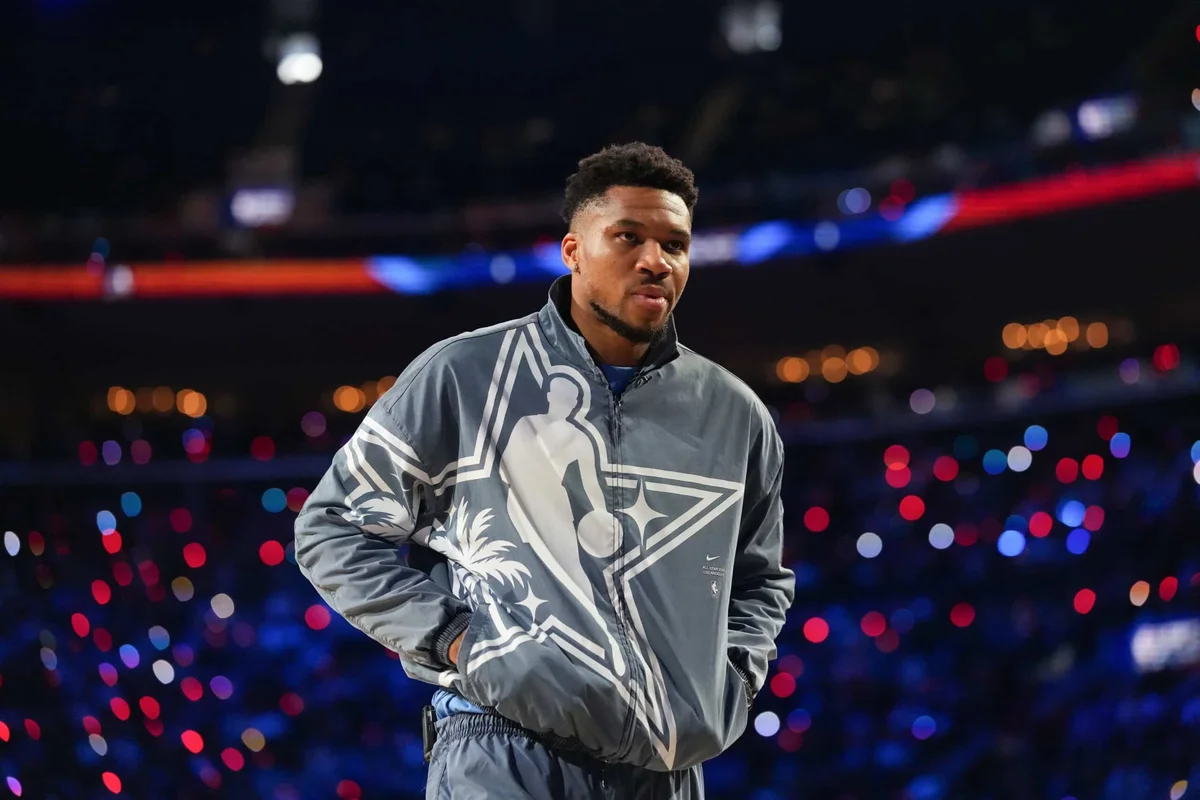
Details of NCAA’s Trademark Claims and NCAA President’s Position
The NCAA has repeatedly requested the immediate removal of its trademarks from Kalshi’s platform due to unauthorized usage. The organization argues Kalshi’s prediction markets misrepresent any NCAA endorsement or involvement, which violates trademark protections and could confuse participants.
The NCAA has previously addressed issues with Kalshi illegitimately using NCAA marks for their offerings.
— NCAA Official Statement
This continues to be a misrepresentation of any NCAA involvement, and we have requested immediate removal of NCAA trademarks.
— NCAA Official Statement
The NCAA vehemently opposes college sports prediction markets.
— Charlie Baker, NCAA President
Unlike conventional sportsbooks, Kalshi operates via contract trading on event outcomes, placing it in a regulatory gray zone that complicates oversight. The NCAA views this as a threat to its intellectual property and the integrity of its marquee events like March Madness, which attracts substantial attention each spring.
Ongoing Removals and Industry Watch as March Approaches
Kalshi has begun eliminating the contentious NCAA trademark usages from its platform, but as of February 21, traces of terms like “Final Four” and “March Madness” remained visible. Gambling analyst Dustin Gouker confirmed the incomplete removals, highlighting the urgency of full compliance before the NCAA tournament begins.
Looks like kalshi started taking these down but still a few examples of Final Four and March Madness pic.twitter.com/ofeo6ga1WQ
— Dustin Gouker, Gambling Insider
With March rapidly approaching, NCAA officials are expected to closely monitor Kalshi’s adherence to their removal directive. Failure to comply could escalate into harsher enforcement actions as the organization seeks to protect its trademarks and public image.
Giannis Antetokounmpo’s Dual Role Raises Ethical and Legal Issues
Giannis Antetokounmpo’s role as both an NBA star and a minority investor in Kalshi intensifies scrutiny amid this trademark dispute. While cleared of conflicts within the NBA’s own rules by Adam Silver, the ongoing NCAA trademark dispute creates a new front of controversy for the basketball season to navigate.
For Antetokounmpo, basketball commitments and performance remain unaffected for now, but Kalshi’s legal challenges highlight complications that can arise when athletes engage in business ventures intersecting with major sports organizations’ intellectual properties.
Impact of the NCAA’s Enforcement on Kalshi and College Sports Betting
The NCAA’s insistence on trademark compliance with platforms like Kalshi underscores broader tensions over college sports prediction markets. The organization’s opposition to such betting-like activities reflects concerns about integrity and unauthorized commercial association with its collegiate events. Kalshi’s unique contract trading model challenges existing regulatory frameworks, prompting a need for clear legal boundaries.
Kalshi’s ongoing dispute with the NCAA will likely influence how other tech-driven sports betting or prediction companies operate around protected sports marks. The resolution timeline is compressed by the annual March Madness tournament, forcing swift action by Kalshi to avoid escalating penalties or litigation.
Future Outlook for Giannis and Kalshi Amid Enforcement Battle
As Kalshi works to comply with the NCAA’s removal demands, the company’s valuation and growth prospects face increased uncertainty. The trademark dispute also serves as a critical case study on intellectual property enforcement in evolving sports markets, particularly involving prominent athletes like Giannis Antetokounmpo.
While the NBA maintains a hands-off approach regarding Giannis’s investment, external entities like the NCAA are asserting authority over their brand protections with greater intensity. How this conflict resolves could shape future interactions between sports governing bodies, athletes, and emerging prediction market platforms.
Looks like kalshi started taking these down but still a few examples of Final Four and March Madness pic.twitter.com/ofeo6ga1WQ
— Dustin Gouker (@DustinGouker) February 21, 2026
