
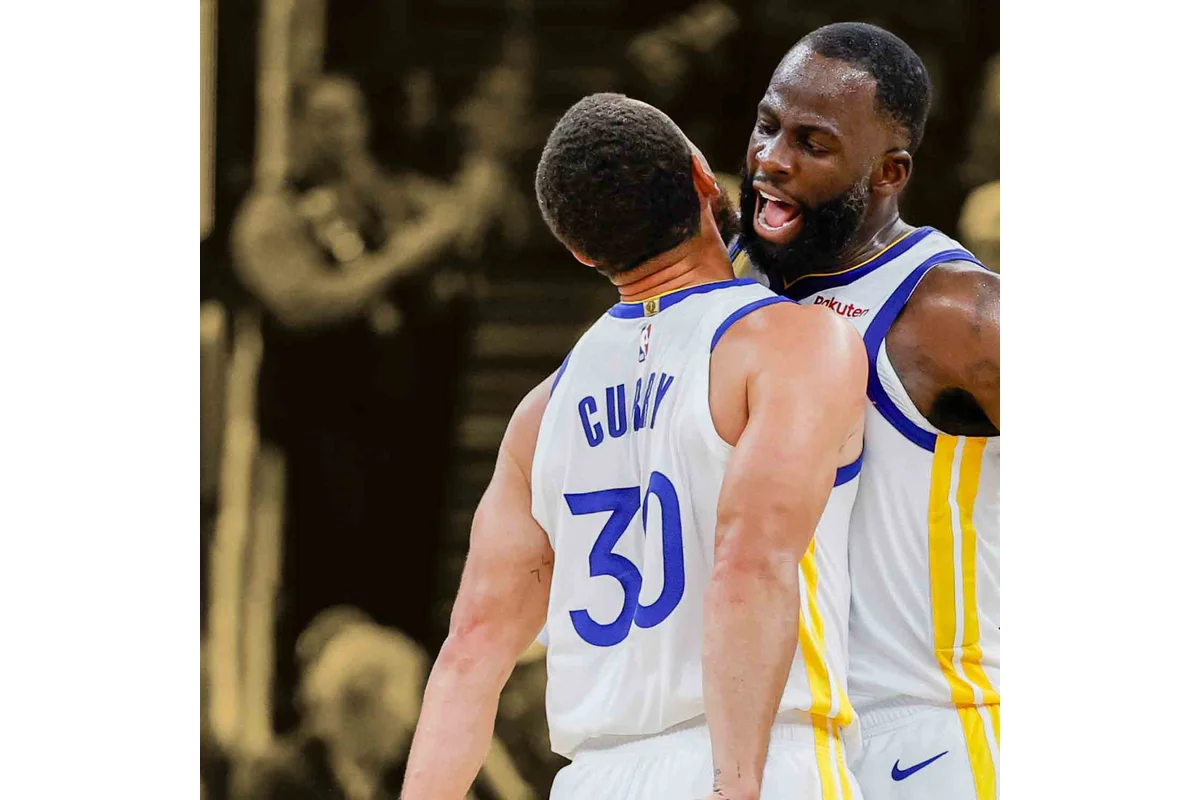
The issue of tanking in the NBA has sparked intense debate as losing teams continue to benefit financially despite poor performance. On February 20, 2026, Charles Barkley suggested a new approach to discourage tanking by targeting team ownership through financial penalties, specifically limiting ticket price increases for underperforming teams. Draymond Green publicly voiced his support for this idea, emphasizing the need to make losing teams less profitable and more accountable, particularly by preventing them from raising ticket prices when their records fall below .500. This conversation highlights the growing frustration over competitive integrity and the incentives that reward losing in professional basketball.
Why Ticket Pricing Restrictions Could Influence Team Behavior
Green explained that players and fans alike have noticed the gap between price and performance, especially during road games where ticket costs soar when high-profile teams arrive. He pointed out that families and guests often face inflated expenses, which generates dissatisfaction within locker rooms. By stopping losing teams from charging premium prices, the proposed rule would remove an important financial advantage for owners willing to tank, shifting consequences directly onto those who stand to profit from poor results.
“I like Charles Barkley’s idea, which is you can’t raise ticket prices if you’re below .500… You shouldn’t be able to raise ticket prices… make it affordable because you’re trash with these fans coming to watch you play.”
– Draymond Green, Veteran Forward
Barkley’s Direct Call to End Profit from Losing
Barkley’s original suggestion, made during an ESPN segment, was unequivocal. He argued that teams below the .500 mark should lose their ability to increase ticket prices in order to discourage intentional losing. The financial angle is especially significant because gate receipts still contribute about 28 percent of a team’s yearly revenue, despite media rights making up the majority. This makes pricing restrictions a tangible deterrent rather than a mere symbolic punishment.
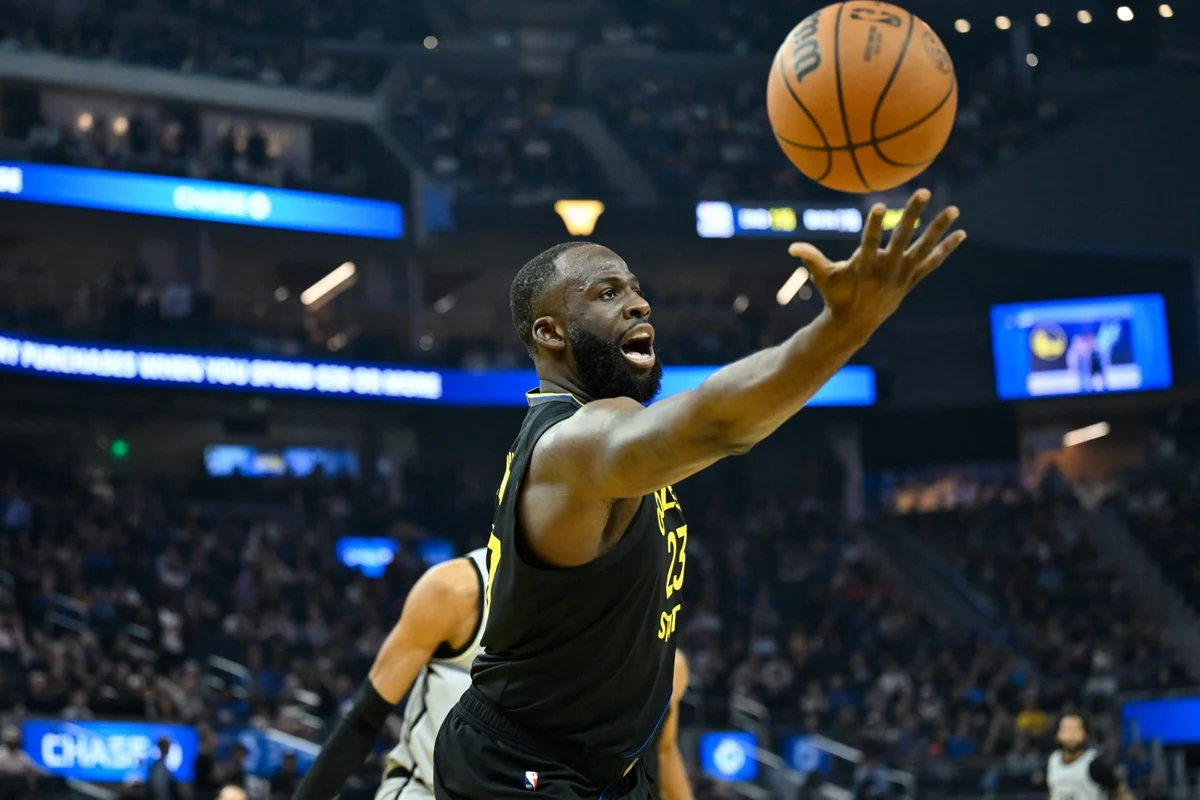
“I don’t think any team should be able to raise their ticket prices if they are below .500… you getting your cake and eat it too. But you should not be able to try to lose.”
– Charles Barkley, NBA Analyst and Former Player
Flattening Lottery Odds: Barkley’s Additional Measure to Curb Tanking
Beyond ticket pricing, Barkley offered a secondary measure aimed at the NBA draft lottery system, proposing that every playoff lottery team receive an equal chance by allotting just one ping pong ball each. He also suggested that teams lose their ping pong ball if they trade away their draft picks. This idea challenges the current weighted lottery system that gives losing teams higher odds of securing top draft selections but has often failed to deliver rewards to the worst teams. Since 1990, only seven last-place teams have landed the first overall pick, reinforcing Barkley’s argument that the current structure has limited effectiveness in deterring bad performance.
“Every team in the lottery should get one ping pong ball… If you trade a pick, it’s gone.”
– Charles Barkley, NBA Analyst and Former Player
Recent Incidents Highlight Ongoing Tanking Concerns
The league continues to face scrutiny over suspicious late-season strategies that appear designed to improve draft position rather than win games. For instance, Utah was fined for resting key players in tight game situations, and Sacramento encountered criticism after multiple players underwent season-ending surgeries during the same period. These examples accentuate the challenge of effectively policing tanking and enforcing penalties that have real impact.
The Shift Toward Impactful Punishments Over Symbolic Fines
Alternative disciplinary ideas have been suggested to raise the stakes for owners, such as removing draft picks entirely from teams that engage in losing tactics. With billionaire owners unlikely to be swayed by modest fines, proposals like Barkley’s focus on altering business incentives. Draymond Green’s endorsement strengthens the call for consequences that owners will truly feel, moving the conversation beyond penalties affecting only players or team standings.
Potential Implications for the NBA’s Future
If the league adopts financial restrictions on teams with losing records, it could fundamentally change the dynamics behind tanking. Shifting penalties onto ownership through ticket pricing limits and a restructured draft lottery may reduce incentives to lose deliberately. This approach addresses longstanding frustration from players, fans, and stakeholders who desire fair competition and affordable game attendance. Ultimately, the success of such reforms depends on the NBA’s willingness to enforce rules that make losing costly both financially and reputationally for franchises.
Charles Barkley breaks down his potential solutions to combat tanking in the NBA ✍️ pic.twitter.com/T4VNPSNDgS
— NBA on ESPN (@ESPNNBA) February 20, 2026
