
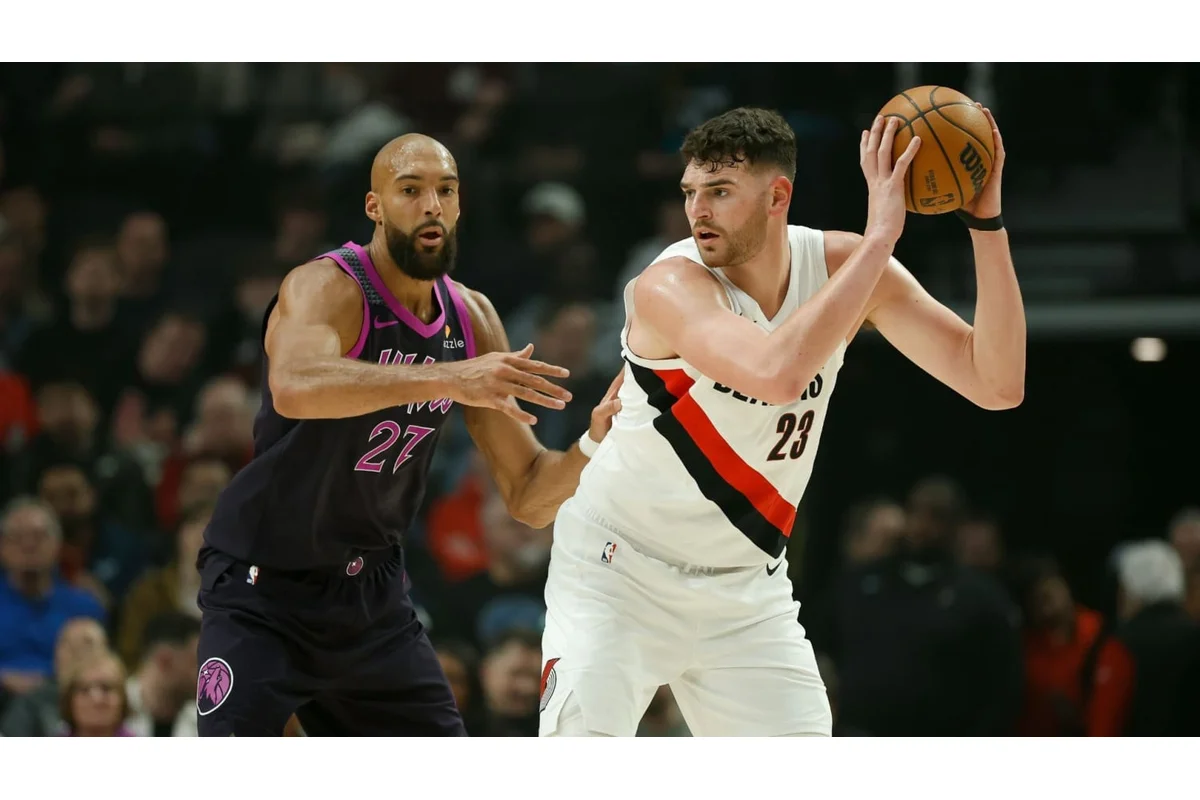
Jontay Porter is making a comeback to professional basketball after being banned from the NBA. On Wednesday, the Seattle SuperHawks of the United States Basketball League (USBL) announced they have signed Porter to their 2026 roster, marking his return to the court following his lifetime NBA ban issued in 2024 due to gambling violations.
The NBA’s decision came after it was determined that Porter deliberately reduced his effort in two games to affect wagers placed on his performance. This led to his permanent exclusion from the league, a severe penalty reflecting the seriousness of the offense linked to match-fixing attempts.
Legal Troubles and Pending Sentencing Add Pressure
Porter is currently awaiting sentencing after pleading guilty to a felony charge of conspiracy to commit wire fraud. This offense carries a maximum prison term of 20 years, but according to ESPN reports, he is expected to receive a sentence ranging from three to four years. The legal consequences contribute to an uncertain future for Porter both on and off the basketball court.
In response to these events, the USBL emphasized its commitment to integrity and fair play. The league shared the following core principle:
The games we play must be decided on the court. Every rule we establish, every policy we implement, and every decision we make is guided by a commitment to fair competition. Players, coaches, and fans must be able to trust that the outcomes they witness are earned through skill, preparation, and effort — nothing else.
Career Background and Family Connections
At 26 years old, Porter has participated in 37 NBA games, including five starts, averaging 3.7 points per game during his time with the Memphis Grizzlies and Toronto Raptors. He is also known as the younger brother of Michael Porter Jr., who currently plays for the Brooklyn Nets. Despite his brief NBA career, his family remains prominent in professional basketball circles.
The Road Ahead for Porter and USBL
The Seattle SuperHawks will begin their USBL season on March 7, providing Porter with an opportunity to continue his basketball career under strict league regulations aiming to uphold fair competition. While the USBL operates on a smaller scale than the NBA, this move signifies a chance for Porter to rebuild his professional reputation and demonstrate commitment to the sport’s integrity.
Porter’s situation underscores the critical importance of ethical conduct in sports, and his next steps will likely influence broader discussions on gambling policies and player accountability within professional basketball leagues.
