
Nearly a year ago, Dallas faced widespread disappointment after Nico Harrison made a controversial decision, trading Luka Doncic to the Los Angeles Lakers in exchange for a package highlighted by Anthony Davis. That deal was heavily criticized and has since left the Mavericks in a difficult position. Recently, the Mavericks decided to move on from Davis by sending him to the Washington Wizards before the trade deadline, receiving a return far less valuable than what they gave up to acquire Davis in the first place.
The team’s focus now appears to be securing future assets and building around their promising new talent, Cooper Flagg, who was acquired in a fortunate draft lottery outcome. This move reflects a fresh strategy under new management, aiming to develop a core centered on Flagg while managing their own first-round pick for the first time in a while.
Details of the Davis Trade: A Bleak Return for Dallas
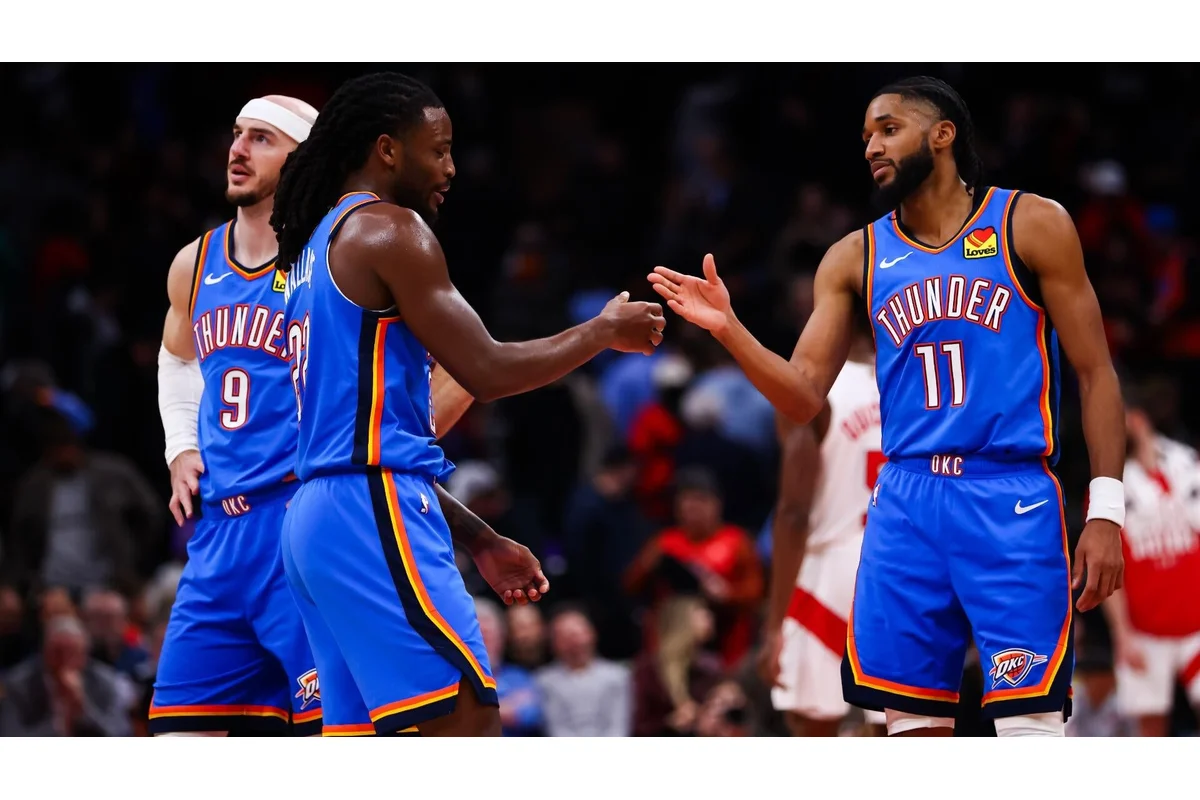
Dallas received Marvin Bagley III, A.J. Johnson, Tyus Jones, Khris Middleton, along with several draft picks: a 2026 first-round pick from Oklahoma City (expected to be very late in the round), a top-20 protected 2030 first-round pick from Golden State, 2026 and 2027 second-round picks from Phoenix and Chicago respectively, plus a 2029 second-round pick from Houston. Meanwhile, Washington acquired Anthony Davis, D’Angelo Russell, Dante Exum, and Jaden Hardy.
The compensation for Davis can best be described as inadequate, especially considering Davis was the centerpiece of the earlier Doncic trade. Although this move removes an underperforming and injury-plagued player from the roster, the return lacks standout talent or immediately impactful assets. Questions also arise about why the Mavericks moved quickly on Davis, who still has two seasons remaining on his contract plus a player option for the third year, despite his current injury struggles.
With Davis sidelined by ligament damage in his left hand and unlikely to return this season, Dallas could have retained him while focusing on rebuilding around Kyrie Irving’s eventual return. The players they acquired, including Bagley and Middleton, are mostly role players at this stage, and AJ Johnson sees limited game time. The draft picks are largely unfavorable: the 2026 OKC pick will probably be the last of the first round, and the Golden State pick’s protections make it unlikely to materialize as a top selection, especially with Stephen Curry’s career nearing its end.
Given these circumstances, some argue the Mavericks might have been better served holding on to Davis instead of accepting this minimal haul. The team had potential to explore a competitive window with a core featuring Flagg, Davis, Irving, and complementary players such as Dereck Lively II, Daniel Gafford, Max Christie, and others.
The arrival of Flagg via the number one draft pick has offered the Mavericks a rare chance to rebuild with a potential superstar at the helm, but the Davis trade further complicates the franchise’s outlook and leaves fans wondering if the organization has truly moved past the errors surrounding the Doncic trade.
New Additions Attempt to Stabilize Point Guard Position
Dallas also made a move to improve their point guard situation by trading away Branham, a player obtained in the Davis deal, to the Charlotte Hornets. In return, the Mavericks acquired Tyus Jones, who was released by the Orlando Magic. Though Jones has struggled this season and seems past his prime, he brings experience and competitiveness that might benefit Dallas’ backcourt depth.
Jones is not expected to have a major role, but his presence could assist younger guards like Brandon Williams and Ryan Nembhard in developing the skills necessary to direct the offense effectively. This adjustment reflects the Mavericks’ ongoing efforts to find stability at a position that has posed challenges throughout the season.
Evaluating Dallas’ Trade Deadline Performance
The Mavericks’ moves leading up to the deadline suggest a deliberate pivot toward a full rebuild centered on Cooper Flagg. However, this came at the cost of parting with Anthony Davis for a comparatively weak return, signaling a willingness to dismantle a role-player foundation rather than gamble on Davis regaining health and form next season.
This strategy leaves many fans skeptical about Dallas’ immediate prospects. Without a significant improvement from Flagg or a dramatic return from other young players, the team is unlikely to be competitive enough to qualify for the playoffs next year. The transition is marked by uncertainty and a lengthy rebuilding process ahead.
Mavericks’ Trade Deadline Grade: C- for a Troubled Outlook
Ultimately, the Mavericks’ trade deadline moves can be graded as a C-, reflecting a mix of cautious rebuilding and missed opportunities. While moving Davis was a sensible step given his injury history, the underwhelming return and willingness to scrap a supporting cast indicate a high-risk approach with uncertain rewards. As Dallas leans heavily on Flagg’s potential and future draft assets, the franchise’s trajectory remains fragile and heavily dependent on developmental progress and further strategic decisions.
