
In early February, the Alabang Country Club Board of Directors unanimously decided to withdraw the trophies awarded to the teams of Ronin Leviste and Darren Flores, as well as Raymund Villafuerte and Edward Tolentino, following the latest member-guest golf tournament. The decision came after concerns surfaced among participants and on social media about irregularities in the scorecards of these winning teams.
After a thorough review by the Mango Tee Committee, the board concluded that the scores posted by both teams were statistically improbable and highly unusual, prompting the trophy withdrawal. This move has raised questions about whether the teams have any legal recourse to challenge the board’s decision in court.
However, established jurisprudence from the Supreme Court clearly indicates that courts typically will not overturn awards or their withdrawal in competitive events such as sports or contests, where participants do not have enforceable rights to prizes. Unless there is clear evidence of bad faith or arbitrary application of rules by officials, judicial intervention in the results or decisions of sports bodies is rare.
The Supreme Court’s stance aligns with the Court of Arbitration for Sport, which avoids ruling on decisions made on the field of play. Given the procedural care observed in the Mango Tee Committee’s investigation, there appears to be no arbitrary conduct, thus sustaining the trophy withdrawal.
Mike Phillips Gains FIBA Clearance as a Local Player
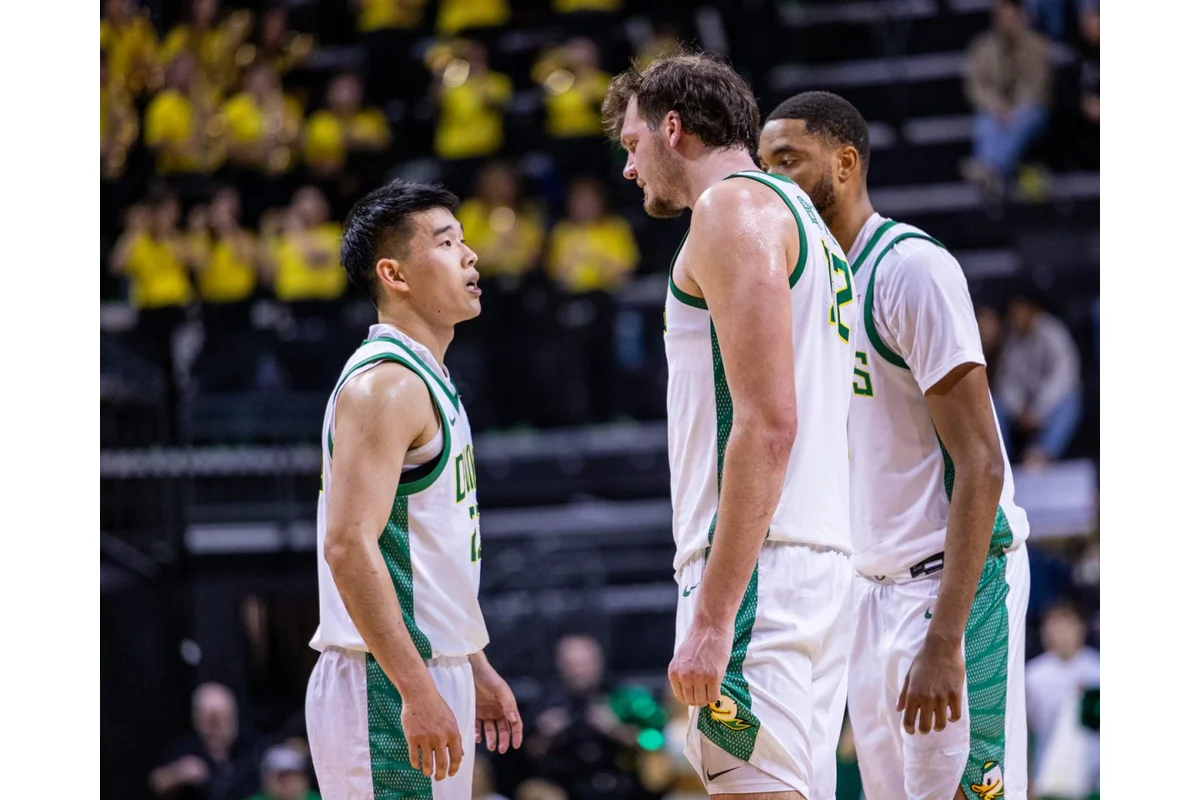
Good news reached Gilas Pilipinas with Mike Phillips, the DLSU Archer and UAAP Finals MVP, officially recognized by FIBA as a local player, making him eligible to compete in all FIBA-sanctioned tournaments with the national team. This recognition is significant for the Philippines’ basketball program as it allows them to utilize his talents without restrictions.
FIBA’s eligibility rules for foreign-born players consider two main pathways: obtaining the country’s passport before age 18 or demonstrating significant links to the country. Since Phillips did not secure a Philippine passport before his eighteenth birthday, his eligibility depended on showing substantial connections to the Philippines, which FIBA confirmed.
These connections are assessed holistically, including the player’s years residing in the country, participation in domestic leagues, parental birthplace, educational background, basketball activities, physical presence, immediate family ties, and other links like property ownership or marital status. Phillips successfully met these criteria, guaranteeing his local player status.
This decision coincides with updated FIBA Internal Regulations effective December 4, 2025, which extended the passport age cutoff from 16 to 18 years and explicitly detail the factors to evaluate significant links, replacing prior discretionary measures by the Secretary General.
Bol Bol’s Arrival Sparks Excitement for PBA’s TNT Tropang 5G
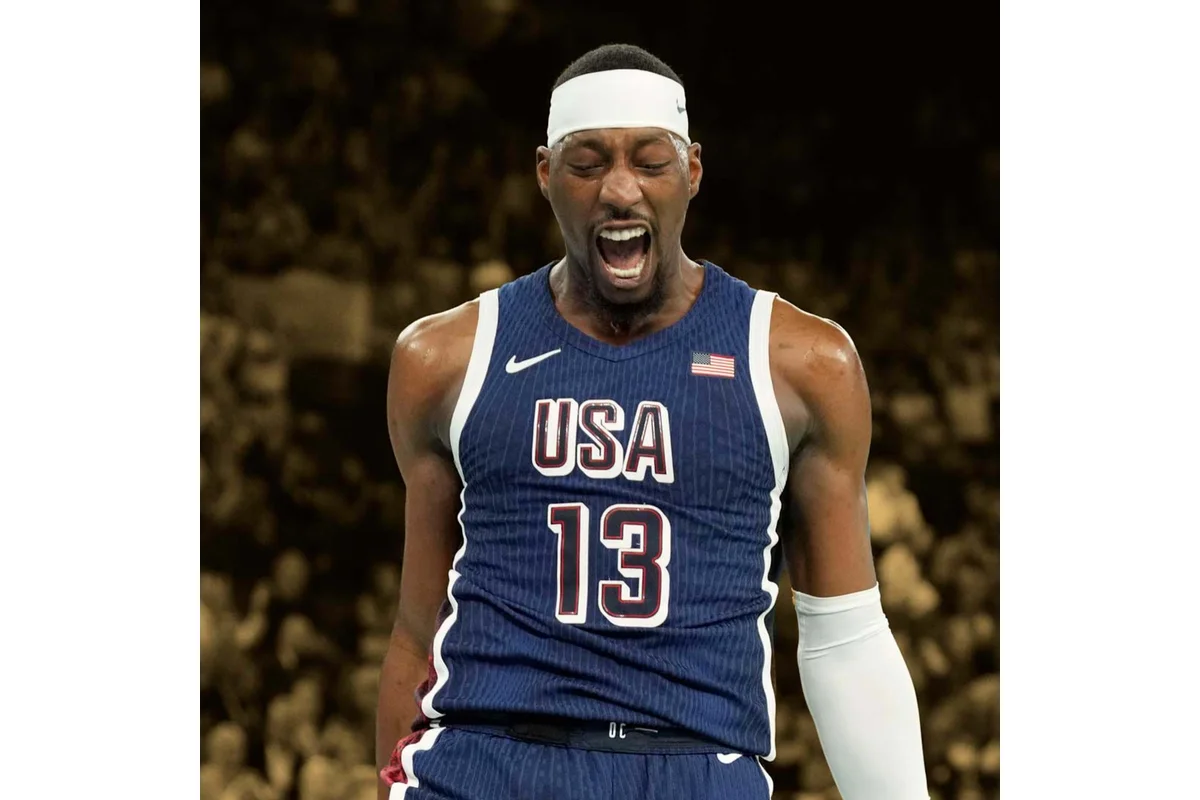
The Philippine Basketball Association team TNT Tropang 5G made a notable acquisition by signing 7’3” Bol Bol as their import player for the upcoming Commissioner’s Cup. Bol Bol’s NBA experience and versatile skill set have fans eagerly anticipating his impact in the league and his contribution to TNT’s championship hopes.
His arrival has also inspired some lighthearted reactions, including a news anchor’s amusement over his unique name, which repeats twice. Bol Bol himself explained in a February 22 video posted on TNT Tropang 5G’s social media that in his Sudanese–American culture, having the same first and last name is common.
This cultural insight ties interestingly to Republic Act No. 9048, which permits individuals to petition courts to change their first names or nicknames should they find them offensive, confusing, or unmanageable. While it is doubtful Bol Bol himself is dissatisfied with his name, this law offers a legal remedy for those who face difficulties with their personal names under specific conditions:
1. The person finds their first name or nickname ridiculous, dishonorable, or very hard to spell or say.
2. The new name or nickname has been consistently used and the person is publicly recognized by it.
3. Changing the name would prevent confusion.
Although the legal provision may not apply directly to Bol Bol, the publicity surrounding his signing has brought awareness to this lesser-known law.
The Wider Implications of Recent Sports Developments
The controversies and developments in sports this February highlight the complex interplay between institutional rules, legal frameworks, and cultural nuances. The Alabang Country Club’s decisive action underscores the importance of integrity and procedural fairness in competitions, while the court’s established reluctance to intervene in sports results reinforces respect for governing bodies’ autonomy.
Mike Phillips’s recognition as a local player under FIBA rules illustrates evolving international standards and the need for clear regulations in addressing nationality and eligibility issues in sports. This change benefits the Philippine national team and sets a precedent for other players with similar backgrounds.
Meanwhile, Bol Bol’s entry into the PBA not only energizes fans and teams but also brings cultural considerations and legal name-change rights into the conversation, reflecting the diversity within sports communities.
Looking ahead, these events may influence how sports bodies manage controversies, how international players establish eligibility, and how cultural identities are represented and respected within professional sports, both in the Philippines and beyond.
