
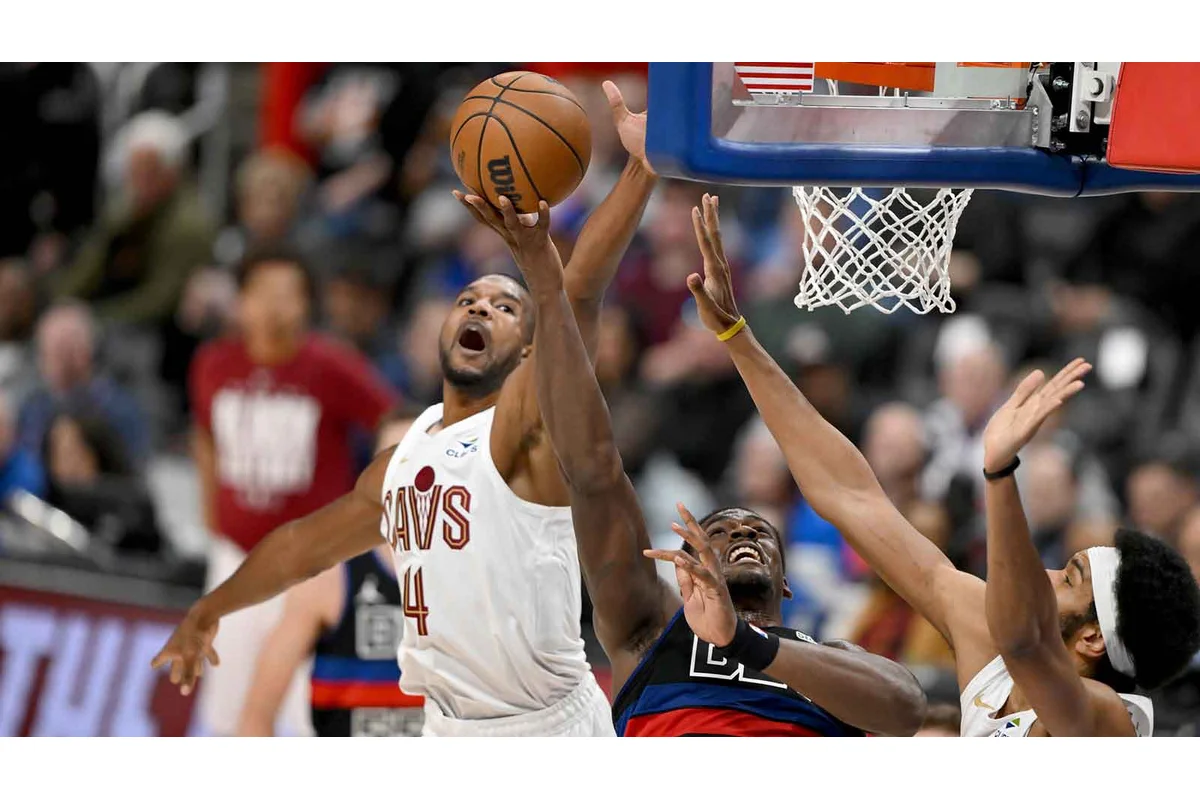
Ayo Dosunmu’s early-season on/off performance statistics have drawn criticism amid a limited sample size, with the Minnesota Timberwolves experiencing a significant decline of 22.6 points per 100 possessions when he is on the court, according to Cleaning the Glass. Despite this, direct observation suggests that Dosunmu’s influence is more positive than the raw numbers imply, highlighting a complex situation for the team and coach Chris Finch in maximizing his contributions.
One notable approach affecting Dosunmu’s effectiveness is his frequent pairing with Bones Hyland. Dosunmu has spent nearly 44 percent of his playing time alongside Hyland, but this combination has resulted in a net rating of minus-23.4. Conversely, when Dosunmu plays without Hyland, the Timberwolves perform better, showing a plus-1.2 net rating over 220 possessions. These figures indicate the current lineup with Dosunmu and Hyland together limits Dosunmu’s impact and warrants a strategic reassessment as the season progresses.
Reevaluating Dosunmu and Hyland’s Shared Court Time
Despite the intuitive appeal of pairing Dosunmu and Hyland due to their shared ability to accelerate pace and apply rim pressure, this strategy has not yielded positive results. Hyland frequently assumes the lead ball-handling role, which restricts Dosunmu to a spot-up shooting position rather than utilizing his full offensive arsenal. With Dosunmu shooting an efficient 44.2 percent from three-point range this season, the role itself is not problematic, but it underutilizes his strengths as a physical, downhill finisher.

Both players contribute contrasting skill sets: Dosunmu serves as a more versatile defender and playmaker, whereas Hyland is primarily a quick scoring threat. Employing Dosunmu merely as a 3-and-D player wastes the edge he provides through playmaking and interior penetration, especially when lineups feature prominent scorers like Anthony Edwards or Julius Randle. Moving forward, increasing Dosunmu’s role as a lead ball handler would better exploit his capabilities and support the team’s need for enhanced rim pressure.
Adapting Timberwolves Lineups to Elevate Dosunmu’s Role
Recognizing Dosunmu’s primary position as a combo guard rather than a traditional point guard is vital in positioning him for success. While expectations of completely separating Dosunmu and Hyland on court time may be unrealistic, more staggered usage would benefit the team. Empowering Dosunmu to handle the ball more often in the presence of Edwards or Randle, even if that means playing off-ball at times, can unlock his potential as a go-to finisher and creator.
This adjustment not only helps Dosunmu maximize his impact individually but could also serve as a significant upgrade for the Timberwolves’ overall offensive effectiveness through improved balance and rim attack. Consequently, coach Chris Finch faces a strategic imperative to shift away from extensive Dosunmu-Hyland minutes and experiment with lineups that elevate Dosunmu’s playmaking role.
Potential Outcomes and Importance of Strategic Realignment
With the Timberwolves showing contrasting results based on Dosunmu’s lineup configurations, the decisions made by Finch regarding deployment could shape the team’s trajectory this season. Prioritizing Dosunmu’s role as a lead ball handler promises to revitalize his influence and address the team’s urgent need for more aggressive rim offense. Although Dosunmu and Hyland will inevitably share court time given their rotations, thoughtful staggering offers a path to better harnessing the unique strengths both players bring.
Ultimately, recalibrating the Timberwolves’ strategy to better court Ayo Dosunmu’s multifaceted skill set, rather than confining him to secondary roles, holds the key to turning around the early setbacks reflected in the metrics and advancing the team’s competitive prospects.
“I’m not saying Ayo and Bones should never touch the court at the same time. That’s pretty unrealistic to call for, given that they’re the team’s seventh and eighth men. Regardless, trying to stagger their minutes more would be in everyone’s best interest.” ?Anonymous Analyst
