
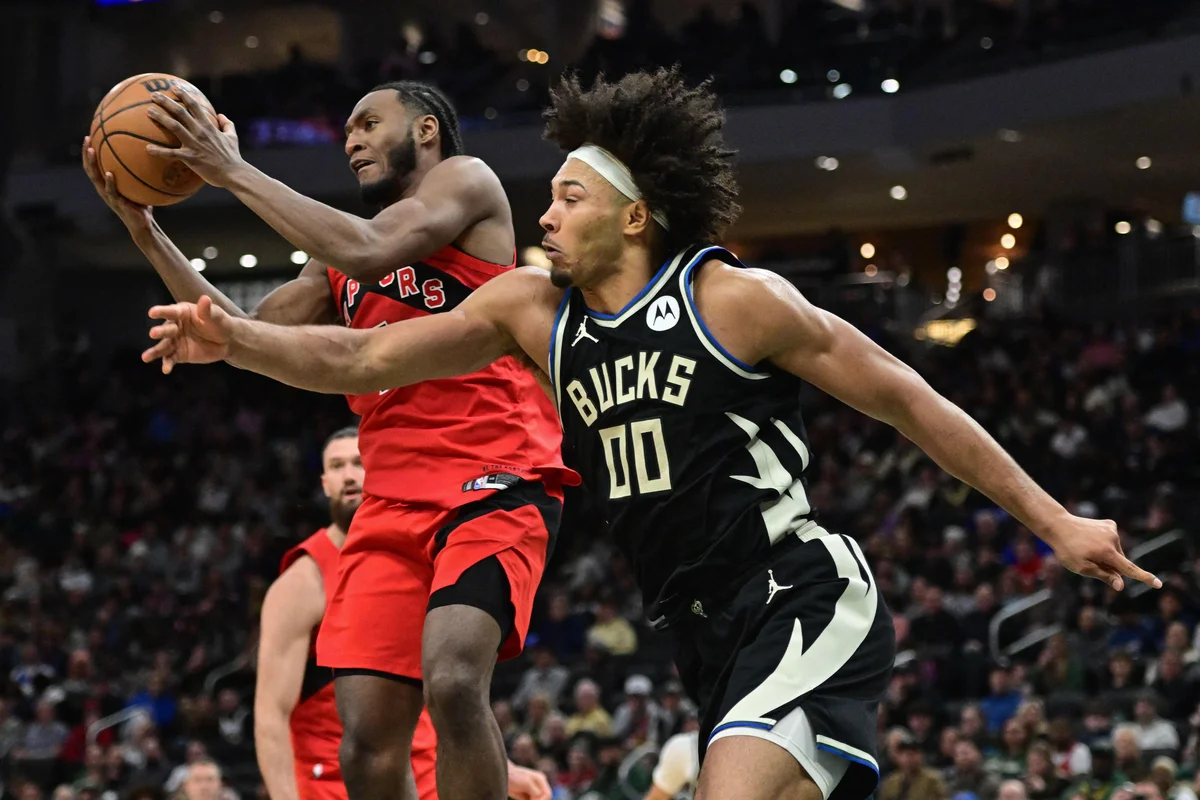
As the Toronto Raptors craft their lineup with an eye on both immediate performance and future growth, the question of whether to re-sign Chris Boucher has surfaced again. The Raptors Chris Boucher discussion centers on balancing his proven skills with the evolving direction of the team.
Chris Boucher has become a recognizable figure within the Raptors franchise, known for his energy, defensively timed shot-blocking, and ability to stretch the floor. However, with a youthful core taking shape and roles becoming more fixed, the decision to bring him back involves strategic considerations beyond simple familiarity.
Key Strengths That Chris Boucher Offers
At his peak, Boucher delivers versatile length and reliable weak-side rim protection, making him a valuable help defender. His timing on defense allows him to contest shots effectively without demanding heavy offensive responsibilities.
His capacity to shoot from beyond the three-point line remains a significant asset. In the modern NBA, having a stretch big who can open lanes for teammates penetrating the defense is vital, and Boucher’s skill set fits this requirement well. For a team that values versatility and increasingly positionless basketball, his style aligns with current trends.
Reasons Against Bringing Boucher Back
Despite these advantages, there are notable concerns regarding the Raptors’ roster plans. The team is becoming younger, with more playing time going to emerging talents. This leads to a strategic debate about whether minutes should be allocated to developing players who represent the Raptors’ future, rather than veterans who may have already passed their prime competitive years.
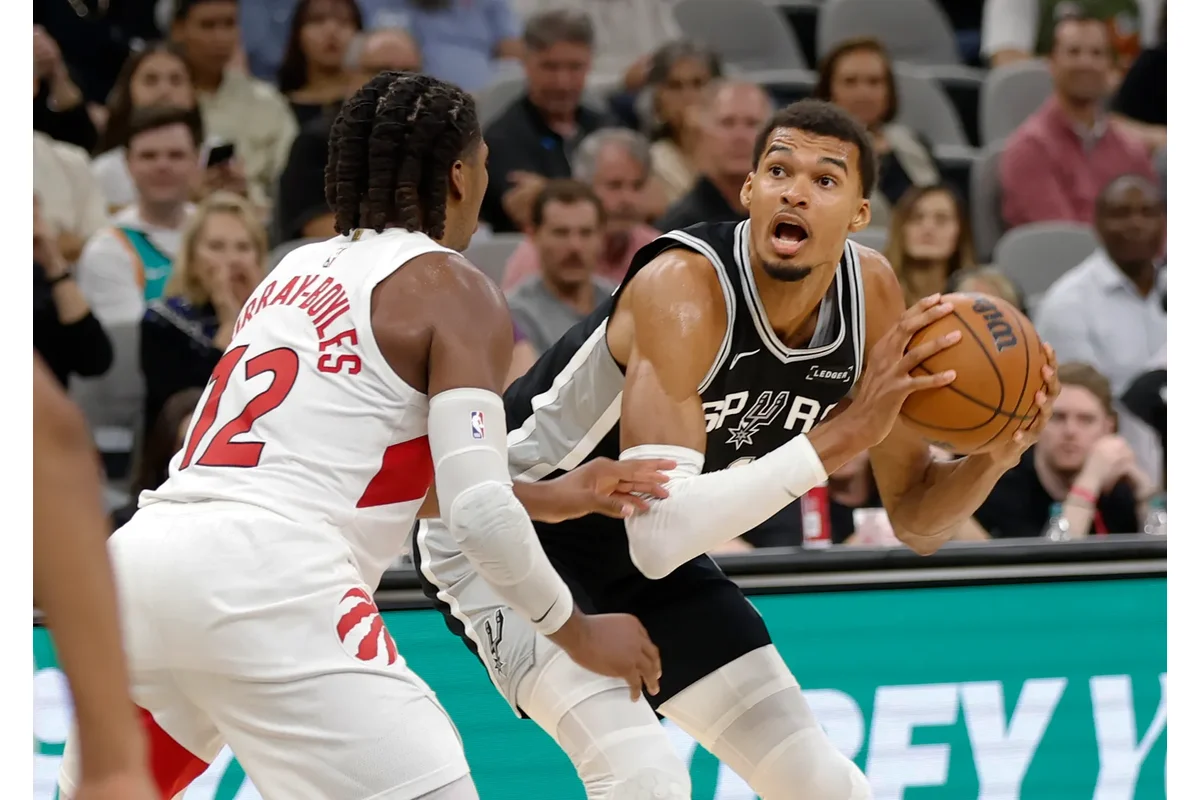
Boucher’s performance history shows streakiness; he can influence games positively when confident but may display lapses in defensive positioning and shot choice when inconsistent. As Toronto prioritizes steadiness on the floor, this unpredictability presents a risk for the coaching staff.
Contract Dynamics and Role Fit
The possibility of Boucher’s return largely depends on contract terms and the role envisioned for him. If the Raptors see him as a situational contributor off the bench, a short-term contract with a modest salary could prove beneficial for maintaining team depth over the grind of an 82-game season.
However, if Toronto’s younger forwards are pushing to expand their roles, signing Boucher might inadvertently limit their growth opportunities and complicate the club’s long-term strategy centered on player development and salary flexibility.
Familiarity and Locker Room Value
Beyond on-court contributions, Boucher’s familiarity with the Raptors’ system and culture has tangible benefits. Having experience within the organization, he understands team expectations and can offer mentorship to younger big men learning defensive schemes and spacing. His veteran presence could contribute positively to locker room dynamics, blending leadership with professionalism.
Balancing Experience With Future Prospects
The decision on whether to bring Chris Boucher back hinges on the Raptors’ broader vision. If the organization focuses on competing now, valuing experienced stability from the bench, Boucher on a controlled deal could enhance depth and offer tactical lineup flexibility.
On the other hand, if the Raptors prioritize developing rising talent and preserving salary cap space for the long term, they may decide that internal players deserve increased opportunities over a reunion with a veteran presence.
Ultimately, this choice goes beyond nostalgia and addresses how Boucher’s remaining NBA value fits into Toronto’s evolving strategy and objectives.
