
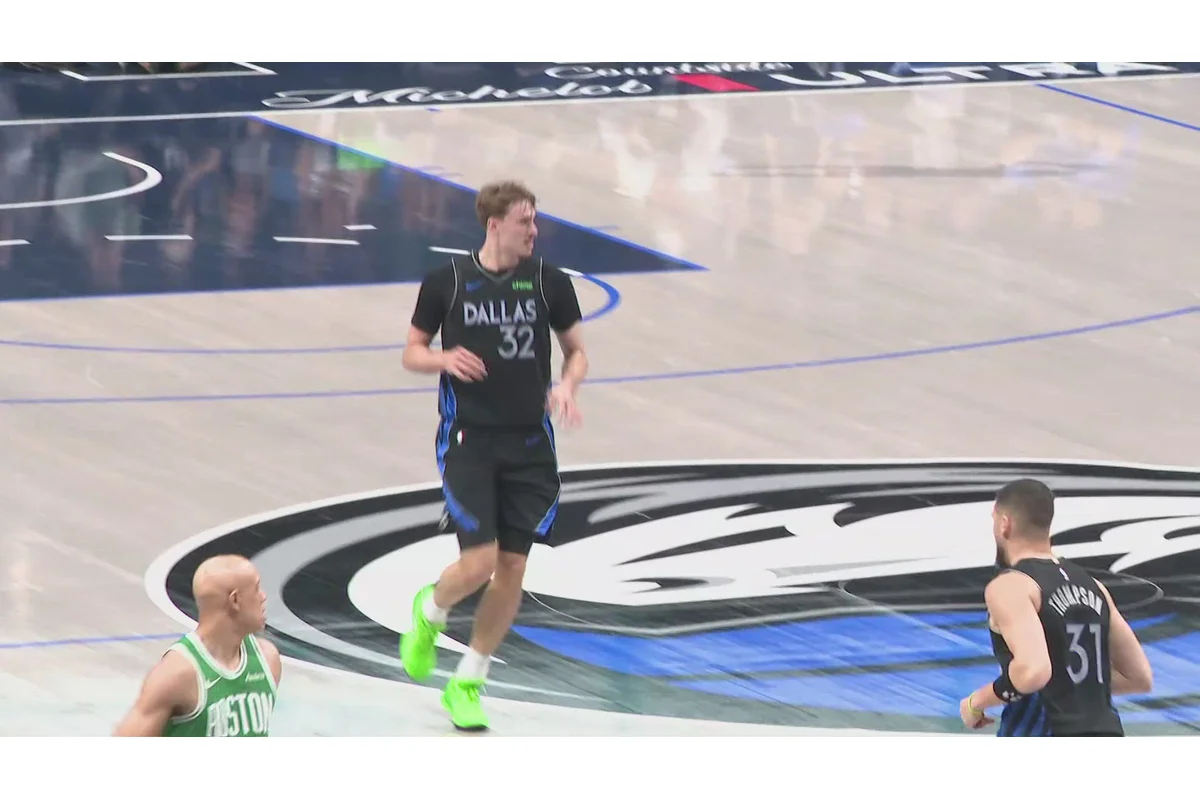
The Dallas Mavericks are currently undergoing a significant transformation, having recently shifted from one generational talent to another within a short period. This rare change in direction has caused some growing pains, delaying their return to the playoffs. However, their standing in the upcoming NBA Draft, holding the seventh pick, provides a promising foundation for future success. The Mavericks are positioned just three games behind the New Orleans Pelicans for the sixth spot and 2.5 games ahead of the Memphis Grizzlies at eighth.
Lottery Spot Not Critical for Dallas’ Future Plans
Although being in the middle of the draft lottery isn’t ideal, Dallas’s placement outside the top five—where the probability of obtaining the first pick exceeds 10 percent—is not catastrophic. The team already revolves around Cooper Flagg, who is projected as a foundational player at forward. Beyond Flagg, the Mavericks’ roster remains flexible and unsettled. Kyrie Irving is expected to return next season, but at 33 years old, his timeline does not perfectly align with the team’s emerging core. Center Dereck Lively II, also set to return, adds potential but is yet to prove durability, having appeared in 98 games across three seasons.
With the draft approaching, Dallas’s range of choices remains wide open. No prospects within their likely pick range appear to be risky reaches nor guaranteed safe bets. This flexibility means the Mavericks do not need to intentionally finish with a poor record to gain access to high-upside talent, an unlikely route given their current standing.
Occupying a draft slot between 6 and 9, often associated with teams in neither full rebuild mode nor solid Play-In contention, Dallas is perhaps the least concerned about lottery outcomes due to Flagg’s presence and the evolving nature of their roster.
Multiple Strategies Available as Mavericks Assess Roster Fit
Dallas benefits from being able to avoid a full tanking strategy. Instead, the team can use the rest of the season to evaluate which players complement their key pieces best. While losing games remains a possibility, the focus shifts toward determining if Ryan Nembhard can develop into a reliable long-term option at point guard or if AJ Johnson can grow from a midseason addition into a regular rotation contributor.
When draft day arrives, the Mavericks will have more clarity to make informed choices based on their current roster evaluation. If Irving returns and Nembhard proves capable as a dependable backup floor general, Dallas might target wing shooters or frontcourt depth to bolster the lineup. Alternatively, if Irving’s future remains uncertain and the backcourt requires reinforcement, pursuing a top-tier guard becomes a sensible priority.
Despite numerous variables, the core truth remains that Dallas is in a solid position. The remainder of the season is unlikely to change their path significantly but will provide valuable insights to guide their next moves.
