
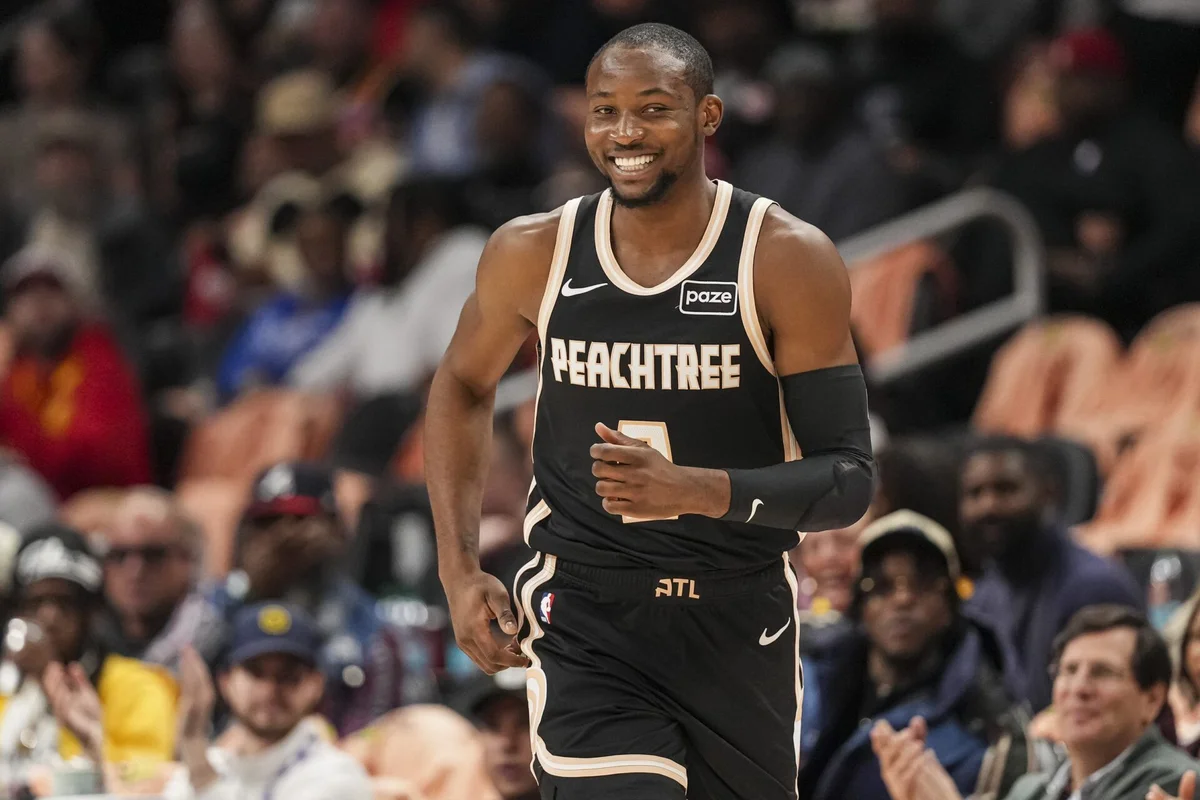
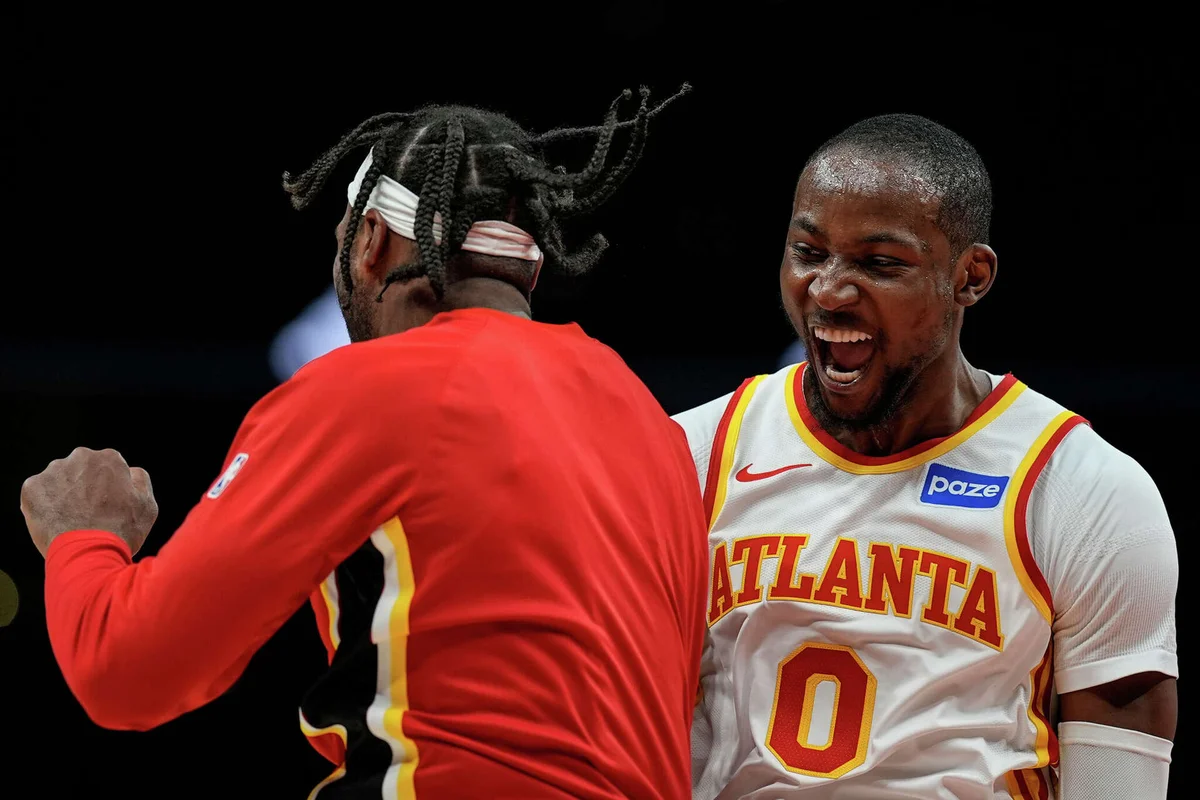
Golden State Warriors General Manager Mike Dunleavy Jr. recently spoke with Tim Kawakami of the San Francisco Standard about the team’s Jonathan Kuminga trade decision ahead of the NBA trade deadline. The Warriors sent Kuminga and Buddy Hield to the Atlanta Hawks in exchange for Kristaps Porzingis. Since the trade, Kuminga has performed impressively in three games with Atlanta, sparking debate about whether Golden State made a mistake by trading him.
Kawakami asked Dunleavy if the Warriors had considered retaining Kuminga past the deadline to seek a better trade in the offseason. Dunleavy responded,
“I think you guys know, it’s been put out there about the trade demand [by Kuminga before the deadline], and I think any time a player wants that, I want to try to accommodate. You want people who want to be here. And for that reason, we felt it was the right time to move on.”
He added,
“I think JK’s happy about it, I think we’re in the right spot for it, it was just kind of the right thing to do at the time.”
Why Moving On From Kuminga Was Considered Necessary
The Warriors’ choice to part with Kuminga has been widely scrutinized, but many agree it was necessary given the circumstances. The ongoing situation had cast the team in a negative light throughout the league, and keeping Kuminga against his wishes could have worsened that image. The relationship between Golden State and Kuminga had reached a dead end. Although the version of Kuminga currently thriving in Atlanta might be highly valuable, the Warriors likely would not have seen that same performance if he remained on their roster.
Kuminga appears revitalized by his new environment and better team support, though how long his success will last remains uncertain. Still, his improvement is encouraging, even if it unfortunately took place away from Golden State.
Criticism of Warriors’ Trade Strategy
The approach the Warriors took during the trade process has been met with frustration and disappointment. When ESPN reporters Shams Charania and Anthony Slater revealed that Golden State was focusing on acquiring expiring contracts in return for Kuminga, many found the strategy puzzling. An analysis of potential expiring-contract players available in a trade return showed mostly underwhelming options, and Kristaps Porzingis was not even considered a realistic target at first due to his uncertainty.
Observers suspect that Warriors governor Joe Lacob placed higher priority on reducing salary commitments for the upcoming offseason rather than boosting the team’s immediate and near-future competitiveness. A more aggressive trade strategy might have involved packaging Kuminga’s contract with first-round draft picks to target a star player. While landing players such as Trey Murphy III or Michael Porter Jr. seems unclear, Jaren Jackson Jr. and Ivica Zubac were known possibilities for the right offer.
Given several months to explore trade options, the Warriors’ inability to secure a star player in exchange raises questions. Currently, Porzingis’s health keeps him uncertain for the next season, and pursuing options like Murphy would require involving Draymond Green’s contract as a salary match. However, Green’s perceived trade value is lower than Kuminga’s, potentially forcing Golden State to part with even more draft assets.
Long-Term Impact of the Trade Decision
The loss of Kuminga’s trade value as a young, tradable asset complicates Golden State’s ability to improve the roster significantly in coming seasons. While trading Kuminga was unavoidable given his trade demand, waiting so long to move him and then receiving a player currently dealing with health issues resembles a salary dump rather than a competitive acquisition. This situation limits the team’s flexibility and prospects for mid-term success, creating tension around management decisions and future roster building.
