
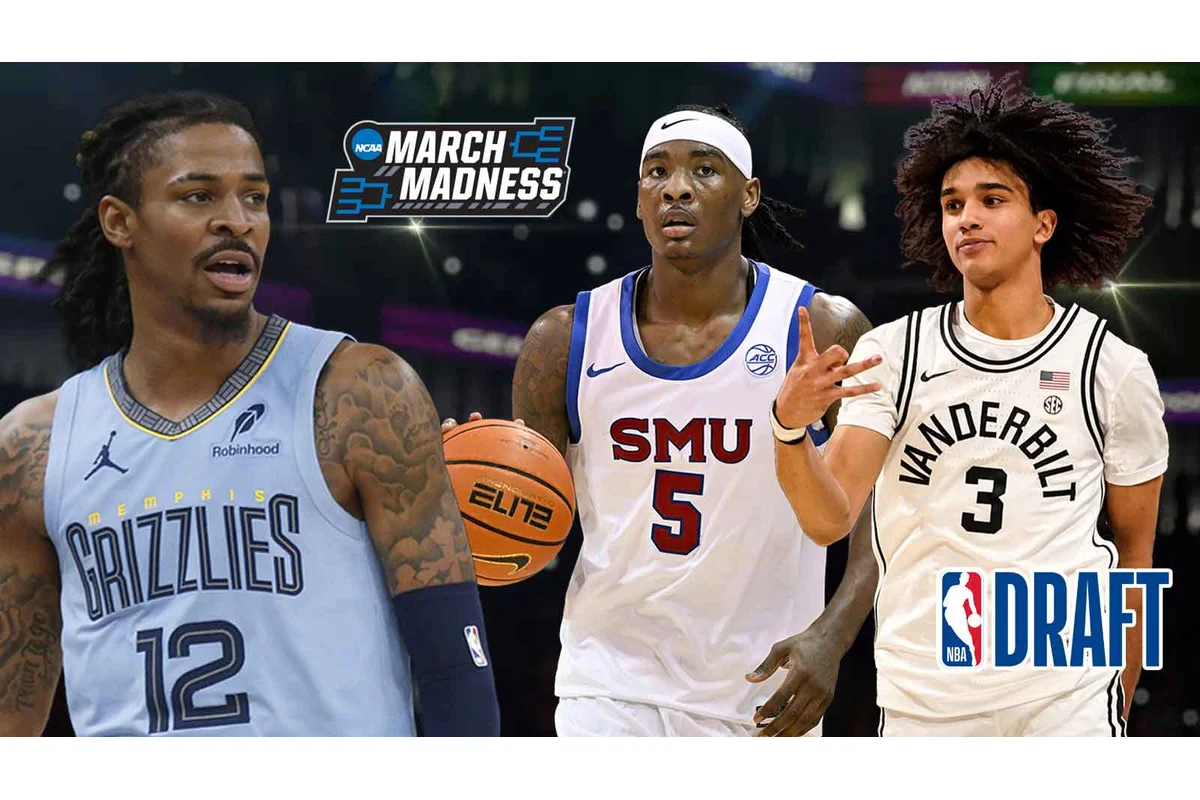
The Memphis Grizzlies, amid a difficult stretch that includes seven losses in their last ten games and a current three-game skid as of March 8, 2026, are setting their sights on the upcoming NBA Draft. Possessing three draft selections projected at 8th, 16th, and 32nd overall—though the final lottery order remains unsettled—the team sees particular promise in the 32nd pick. This spot offers the Grizzlies an essential chance to uncover players who can deliver strong future contributions beyond the early-round spotlight.
Potential Defensive Backbone: Flory Bidunga from Kansas
One player generating interest for Memphis is Flory Bidunga, a 6-foot-10, 235-pound sophomore forward out of the University of Kansas. Bidunga is viewed as a potential answer to Memphis’s need for a dependable defensive presence in the paint. His defensive skill set, often called “Zach Edey insurance,” encompasses not only shot-blocking but also the rare ability for a big man to switch effectively on defense.
- Defensive Strength: Averaging 2.7 blocks per game, Bidunga stands out for his consistent rim protection and defensive versatility.
- Improved Offense: He has worked on his offensive game, showcasing a refined jump hook shot from the low block, enhancing his scoring options.
- Rim Threat: Serving as a lob target in pick-and-roll situations and fast breaks, he contributes 13.8 points and 9.0 rebounds per contest.
- Endurance: Displaying impressive stamina, Bidunga averages nearly 32 minutes on the floor each game, emphasizing his reliability for extended rotations.
Ebuka Okorie: Stanford’s Promising Freshman Point Guard
Another candidate attracting attention is Ebuka Okorie, a 6-foot-2, 185-pound freshman point guard from Stanford University. Known for his elite ball-handling skills, Okorie offers the Grizzlies a chance to improve their bench depth with a player capable of creating his own shot and injecting immediate energy.
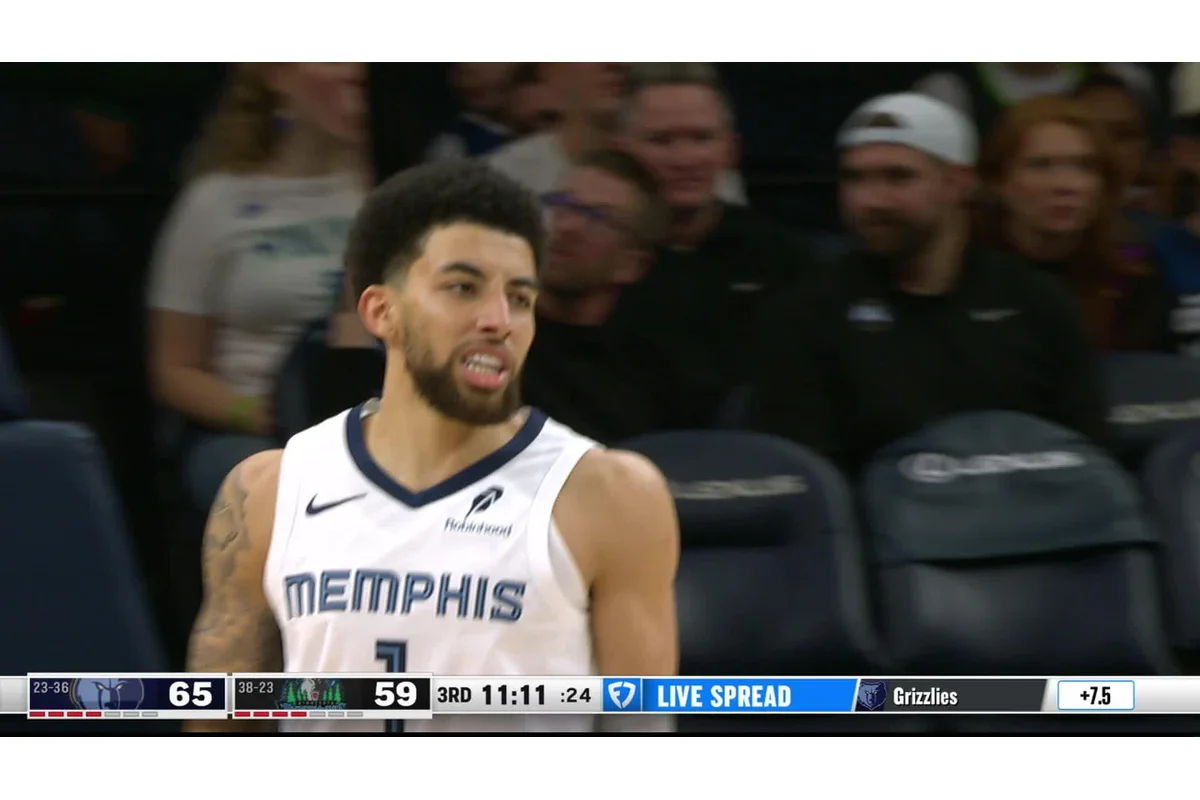
- Superior Ball Control: Okorie navigates defenses with exceptional handles, generating ample scoring chances for himself and others.
- High Scoring Output: Averaging 23.1 points per game, alongside 3.7 rebounds, 3.6 assists, and 1.6 steals, he also shoots 36.1% from three-point range.
- Strength and Aggressiveness: Demonstrating toughness in the lane, he attempts 7.4 free throws per game, converting 83.2%, highlighting his finishing ability.
- Future Playmaking Growth: Analysts anticipate his assists will rise significantly with more skilled teammates, given his current role as primary scorer in Stanford’s offense.
Dailyn Swain Brings Versatile Scoring from Texas
The third promising prospect for Memphis’s second-round ambitions is Dailyn Swain, a 6-foot-8, 225-pound junior guard from the University of Texas. Swain has earned recognition as a “silky-smooth operator” in isolation and pick-and-roll situations, effectively using his size to score and draw fouls with an NBA-ready approach.
- Scoring and Distribution: He averages 17.7 points, 7.5 rebounds, 3.4 assists, and 1.8 steals per outing.
- Isolation Skillset: Swain excels at creating scoring opportunities by leveraging quick footwork and his large frame to gain separation from defenders.
- Footwork Precision: His advanced footwork helps him beat opponents out of the pivot during triple-threat scenarios.
- Free Throw Consistency: Drawing fouls frequently, Swain attempts 5.5 free throws per game, converting at a solid 80.7% rate.
Despite these strengths, Swain faces challenges with his three-point shooting, making 34.6% on a modest 2.6 attempts per game. Additionally, his turnover rate of 2.7 per game signals an area for improvement, which may partly result from carrying a heavy offensive load on a Texas squad with limited overall talent.
Complexities and Importance of Skilled Draft Evaluation
The 2026 NBA Draft class is considered deep, with numerous “hidden gems” scattered throughout. Successfully identifying prospects who can exceed expectations, especially in the second round, requires more than analyzing statistics. Evaluators must weigh players’ intrinsic motivation, system fit, and contextual factors that influence their ability to thrive professionally. Cases of players flourishing after trades or changes in circumstance highlight the unpredictable elements of draft scouting.
For the Memphis Grizzlies, these insights underline the critical nature of their 32nd overall pick, presenting both a significant challenge and a vital opportunity to secure talent that could elevate the franchise’s competitiveness in subsequent seasons.
