
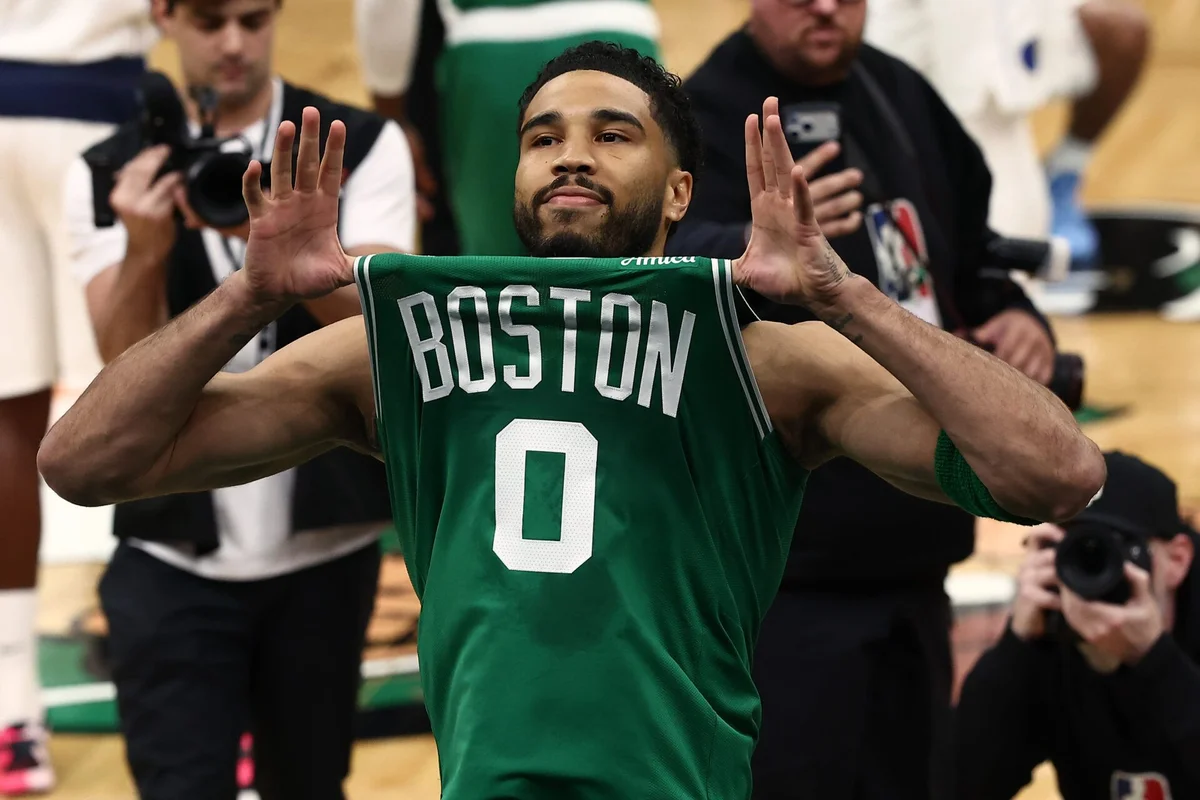
CLEVELAND, Ohio — Following the Cleveland Cavaliers‘ 109-98 defeat to the Boston Celtics on Sunday at Rocket Mortgage FieldHouse, analysts dissected why the Celtics remain a daunting opponent for the Cavaliers. The discussion focused on the Jayson Tatum Celtics matchup, highlighting key factors behind Boston’s continued dominance and the challenges Cleveland faces in overcoming them.
Boston’s Overall Strengths Create a Clear Advantage Over Cleveland
Experts agreed that the Celtics are far more than just a challenging matchup for the Cavaliers; Boston is a fundamentally better and more complete team. Their elite three-point shooting, proficient rebounding, and deep bench consistently exploit the Cavaliers’ persistent weaknesses. The Celtics played with the poise and execution of a championship-level team, maintaining composure even as Cleveland mounted late-game pressure. This wasn’t an isolated loss but rather a reflection of the talent and performance gap between these two Eastern Conference contenders. As Chris Fedor stated,
“I don’t know how anybody could pick the Cavs to win a seven-game series against the Celtics.”
— Chris Fedor, Cleveland.com Cavs Beat Reporter.
Boston’s Defensive Strategy Disrupts Cleveland’s Offensive Flow
The Cavaliers’ offensive difficulties went beyond a mere off shooting night; they were the direct outcome of Boston’s defensive approach. The Celtics frequently employed defensive switching, forcing Cleveland away from their preferred energetic ball movement into slow, isolation plays that drain energy. This significantly hampered role players and shooters from finding their rhythm. A telling moment was the second quarter, where the Cavs were 0-for-14 from beyond the arc, yet Boston, struggling as well, outscored them and gained a crucial momentum edge. The relentless defensive pressure exerted by the top-seeded Celtics translates into a mental barrier that consistently stifles Cleveland’s offense.
Cavs’ Frontcourt Offers a Rare Edge in the Series
Despite the lopsided scoreboard, analysts pinpointed Cleveland’s frontcourt, featuring Evan Mobley and a healthy Jarrett Allen, as a potential source of leverage in a playoff matchup. Mobley scored 20 points and has shown consistent effectiveness against Boston’s big men, establishing this pairing as a crucial pressure point. Their size, skill, and defensive ability could test the Celtics’ frontcourt, which was built with limited investment and was viewed as a weakness entering the season. For the Cavaliers to compete seriously, they must aggressively exploit this positional advantage by dominating inside the paint.
Boston’s Physicality Highlights Cleveland’s Size Deficit on the Wing
The physical matchup exposed a glaring weakness for the Cavaliers: a lack of size and strength at forward. The toll of defending larger, more physical players was evident, exemplified by Sam Merrill’s 1-for-7 performance from three-point range, which analysts linked to the energy expended guarding Jaylen Brown. This unseen cost affects player stamina and efficiency on offense. To counter Boston’s length and athleticism, Coach Kenny Atkinson experimented with small-ball lineups—such as Keon Ellis at power forward and Dean Wade at center—but these adjustments introduced their own defensive vulnerabilities. The Cavaliers’ forward size limitations represent a critical obstacle against Boston’s physical style.
Cavaliers Struggle to Maintain Their Identity Against the Celtics
Across three meetings this season, Cleveland has fallen behind by 20 or more points in every game against Boston, revealing a recurring pattern of discomfort and inconsistency. The Cavaliers appear unsettled and reactive, losing their usual style and unable to impose their game plan. Analysts explained this as both a stylistic and mental challenge, as Boston’s pressure sidelines Cleveland’s strengths and forces them into less effective play. Boston remains steady and unfazed, while the Cavaliers struggle to regain their identity—a gap that must be addressed if they hope to compete in a seven-game series.
Podcast Panel Weighs in on Celtics’ Dominance and Cavaliers’ Challenges
During the Wine and Gold Talk podcast, hosts Ethan Sands, Chris Fedor, and Jimmy Watkins evaluated the dynamics of the recent matchup and the broader implications for the playoffs. Fedor emphasized Boston’s superiority, highlighting their composure and championship mentality, stating:
“Boston is better. They’ve been better all year and now they have Jayson Tatum. They look like champions, they play like champions, they act like champions.”
— Chris Fedor, Cleveland.com Cavs Beat Reporter.
Watkins correlated the matchup to a “bad test tape,” where the Cavaliers’ weaknesses align with Boston’s strengths. He noted specifically the impact of Boston’s offensive rebounding prowess against Cleveland’s defensive rebounding struggles, a growing league-wide trend that intensifies in postseason play. This, combined with Boston’s elite three-point shooting and defensive versatility, complicates Cleveland’s game plan significantly.
Fedor agreed, underscoring the pressure the Celtics impose, which magnifies the margin for error the Cavs can afford. Both analysts concurred that Cleveland’s shots, especially open threes, feel heavier under Boston’s defense, contributing to the offensive stagnation and mental pressure during games.
Jayson Tatum’s Return Adds a New Dimension to Boston’s Threat
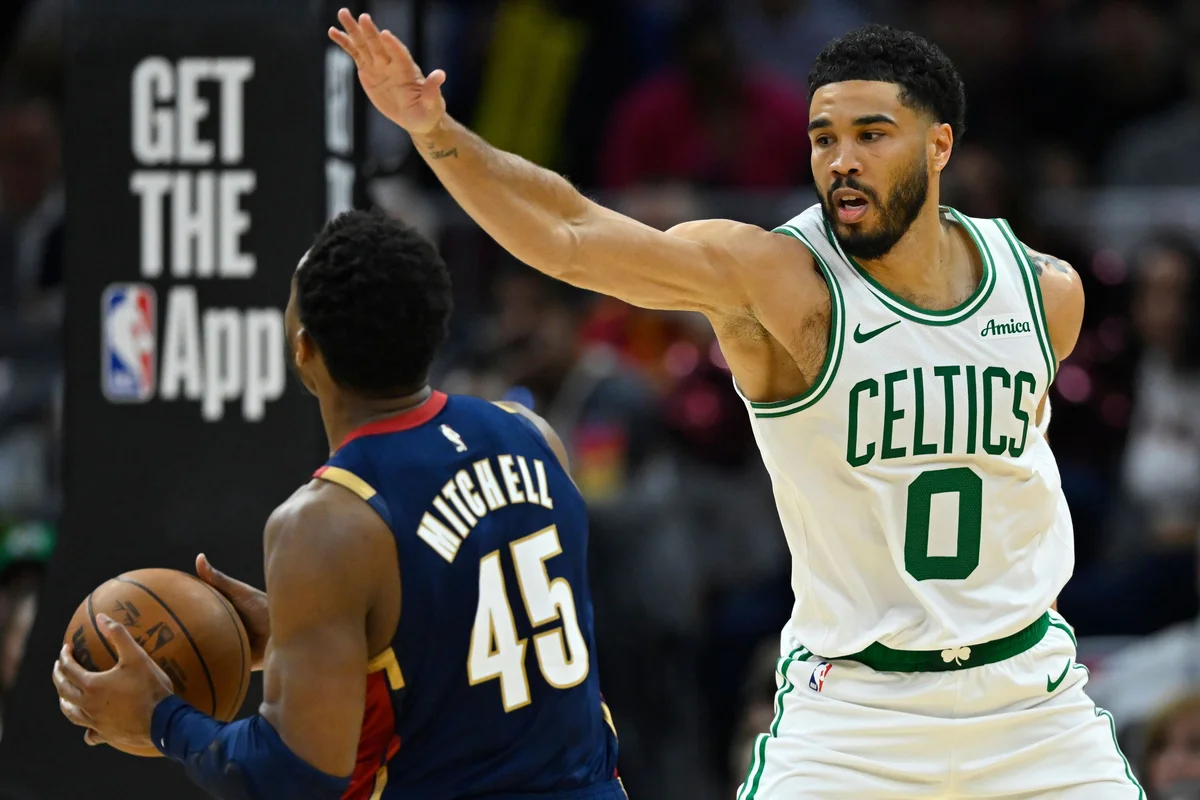
Tatum’s second game back from a ruptured Achilles demonstrated a near vintage performance, alarming Cavaliers defenders and reshaping the Celtics’ hierarchy. Watkins described moments where Tatum attacked Evan Mobley under the rim with ease, signaling his rising form well ahead of the playoffs. This development alarms Cleveland, considering how Tatum’s renewed aggression and mobility elevate Boston’s offensive threat.
Cavaliers’ Defensive Resilience Amid Challenges
Despite offensive woes, the Cavs’ defense showed some resilience, limiting Boston’s scoring on difficult shots and applying pressure on key Celtics shooters like Jaylen Brown. Fedor noted that while matchups posed challenges, the Cavs did not concede easy opportunities en masse, and players like Dennis Schroder contributed by disrupting Boston’s offensive rhythm. However, size mismatches on defense remain worrisome, especially as Atkinson experiments with various lineup combinations to mitigate Boston’s physical edge.
Physical Toll on Role Players Underscores Roster Vulnerabilities
Sam Merrill’s defensive efforts, including enduring repeated physical battles with Jaylen Brown, came with a cost, visibly affecting his shooting efficiency. Watkins highlighted the “invisible cost” players endure when contending with Boston’s size and toughness, extracting energy that eventually diminishes offensive performance. This raises concerns about the sustainability of the Cavaliers’ current roster construction and its ability to match Boston’s physicality in a playoff series.
Strategic Adjustments and Role Player Contributions Are Critical
The panel suggested that the Cavaliers could benefit from more strategic depth, including increased use of Max Strus as an energy and scoring option if players like Jalen Tyson or Keon Ellis struggle with Boston’s physicality. Strus offers rotational insurance that could relieve pressure on overmatched players and help maintain offensive balance. However, the key to competing remains forcing Boston to feel pressure and disrupting their rhythm, something the Cavaliers have struggled with consistently.
The Mental and Stylistic Battle Against Boston’s Control
Central to the difficulties Cleveland faces is a mental hurdle: Boston remains composed and in control, while the Cavs appear uncomfortable and reactive. Watkins emphasized that to reverse this, Cleveland must reclaim their offensive identity and resist being drawn into Boston’s preferred style of play. Throughout the season, Boston has maintained dominance by exploiting their strengths against Cavaliers weaknesses, repeatedly putting Cleveland on the back foot early in games. Overcoming this psychological edge is vital for any postseason success.
Frontcourt Matchups Could Provide Pivotal Opportunities
Evan Mobley and Jarrett Allen remain the Cavaliers’ most significant assets in challenging Boston’s frontcourt. Analysts observed that while Boston has successfully reinforced their big men with strategic additions like Nikola Vucevic and Luke Garza, the skill and size of Mobley and Allen position the Cavs to pressure Boston inside. This matchup carries the potential to create opportunities if Cleveland can fully exploit these advantages with consistent play and health.
Looking Ahead: Cavaliers’ Injury Concerns and Upcoming Matchups
With a rigorous schedule continuing, the Cavaliers face ongoing challenges due to injuries among key players. Donovan Mitchell’s recent return from a groin strain, Dean Wade’s recovery from an ankle injury, and ongoing calf issues for Mobley shape Cleveland’s availability and effectiveness heading into critical games. The next test arrives against the Philadelphia 76ers, a team similarly hampered by injuries, setting the stage for another physical and strategic battle. How Cleveland manages their roster health and adapts will heavily influence their prospects moving forward.
Summary: Challenges and Areas of Focus for Cleveland’s Next Steps
The Boston Celtics and their leader, Jayson Tatum, exemplify the formidable challenge the Cavaliers must overcome to advance in the Eastern Conference. Boston’s superior three-point shooting, defensive schemes, and physical size have repeatedly exposed Cleveland’s vulnerabilities, both mental and stylistic. The Cavaliers’ frontcourt presents a beacon of hope, especially if Allen returns healthy, but size limitations and defensive mismatches remain problematic.
To change the narrative, Cleveland must find ways to maintain their offensive identity, increase energy consistently, and force Boston out of their comfort zone. Integrating role players strategically and maximizing the impact of Mobley and Allen will be essential for success. The psychological battle is equally critical; Cleveland must overcome the pressure Boston applies, which has led to recurring early deficits. This ongoing contest between these Eastern Conference rivals promises to shape the playoff landscape profoundly as both teams contend for supremacy.
