
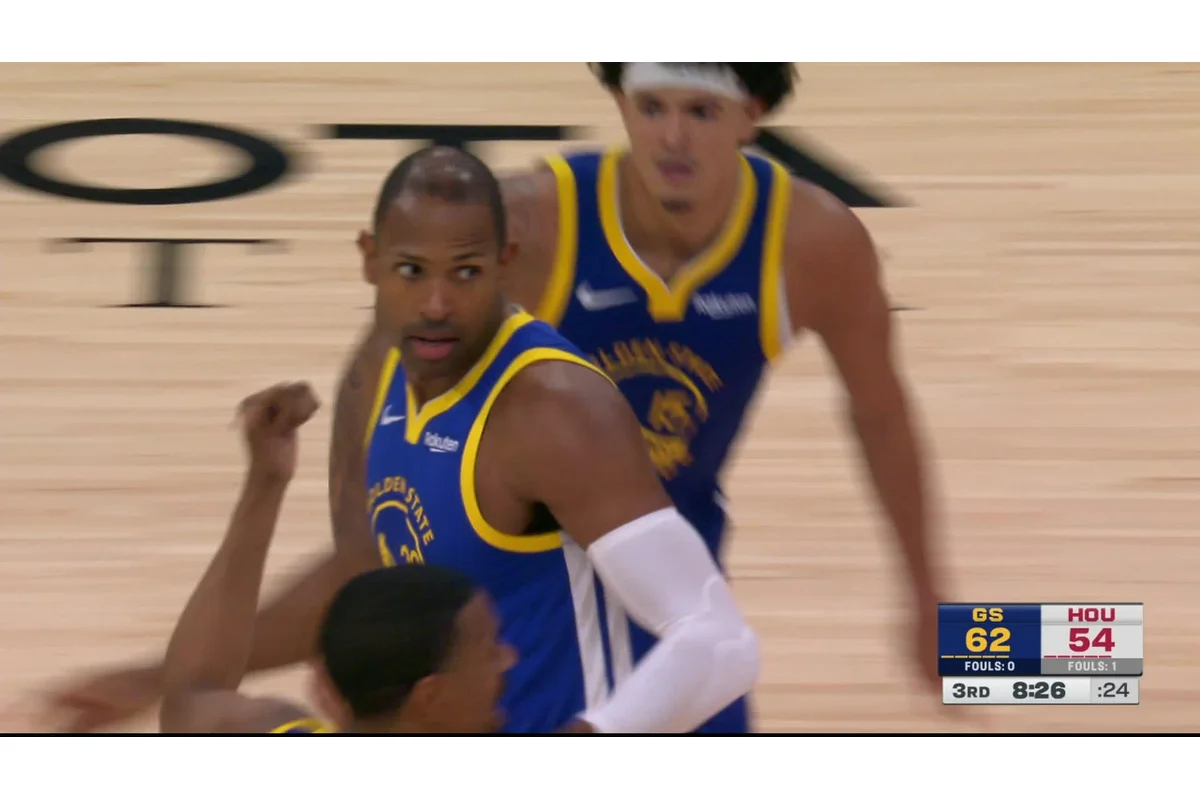
Golden State Warriors forward Draymond Green, known as an exemplary role player, has become a key figure in the NBA due to his defensive prowess and playmaking skills. Despite his reputation, Green recently expressed a surprising opinion about parents who compare their children’s basketball style to his own. On a recent episode of the Unguarded Podcast, Green shared a story that revealed his conflicted feelings about such comparisons.
Parents’ Comparisons and Green’s Reaction
Green recalled instances where parents approached him, proud to say their son “plays just like you.” However, Green’s response was less than encouraging.
“Sometimes parents will come up to me and be like, ‘Yo, my son plays just like you,’”
Green admitted.
“And I think to myself, ‘Your son is a**.’”
His unexpected reaction prompted laughter from the podcast panel but raises an important question about the implications behind this statement.
The Reality of Draymond Green’s Skill Set
Draymond Green is widely considered one of the smartest and most impactful NBA players, especially on defense. As the defensive anchor and facilitating force for the Warriors, he has played a critical role in the team’s success. Yet, much of his value lies beyond common statistics. His unselfishness, floor vision, and willingness to distribute the ball are vital elements that contribute to Golden State’s efficiency, although they may not always translate into standout individual stats.
Contextualizing Green’s Role and Its Developmental Implications
In the NBA—the highest level of basketball worldwide—players like Green operate within specialized roles designed to maximize team success. A role player’s focus on defense and playmaking often means a reduced offensive role. While such specialization is crucial at the professional level, it may not be a positive model for young or developing athletes who are expected to cultivate a broader skill set.
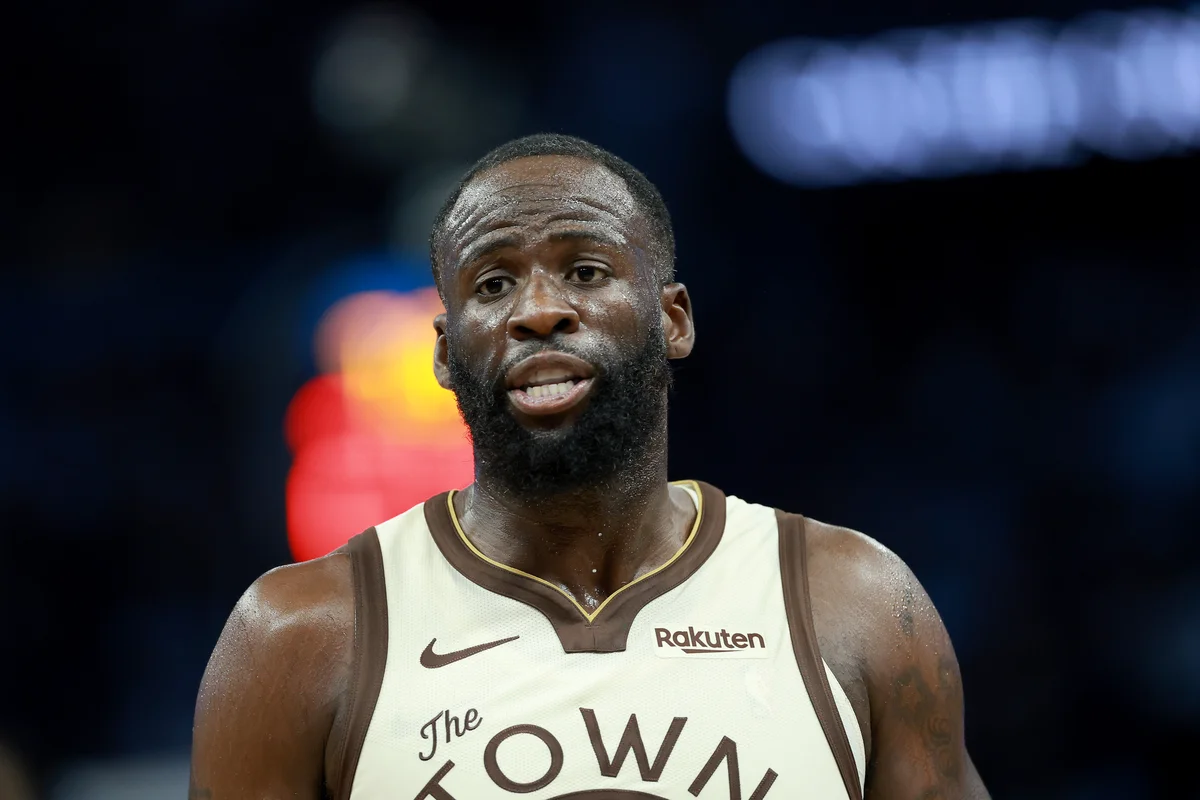
For these younger players, having a well-rounded game is often the hallmark of long-term potential and success. While intelligence on the court and defensive instincts are invaluable traits, if a child’s game imitates Green’s role too closely without possessing the same advanced skills, it might limit their ability to thrive outside that niche.
Draymond Green’s Own Early Playing Style
Interestingly, Green was once a prolific offensive player. During his junior year at Saginaw High School, he averaged around 25 points, 13 rebounds, three assists, and three steals per game. By his senior season, his stats remained strong with approximately 20 points, 13 rebounds, and two blocks per game. This offensive proficiency drastically shifted when Green moved to Michigan State University, where he adopted a more defined role focused on defense and playmaking.
At Michigan State, Green’s scoring dropped, but he cemented his impact in other ways. Over four college seasons, he averaged 10.5 points, 7.6 rebounds, and 2.9 assists per game, becoming one of only three players in Michigan State history with over 1,000 points and 1,000 rebounds. This transformation underlines how Green developed a specialized role that propelled his professional success.
Why Green’s Comment Reflects a Larger Truth
Although Draymond Green’s comment about parents’ kids may sound harsh, it appears rooted in the challenges faced by young players trying to mimic his unique NBA role without fully embodying its demands. His career shows that mastering such a tailored skill set is rare and can lead to significant achievement. Therefore, while it may seem off-putting, aspiring to develop a Green-like skill set could still be highly advantageous for young athletes willing to embrace the complexities and mental aspects of the game.
https://twitter.com/CourtsideBuzzX/status/2030788321400508696
