
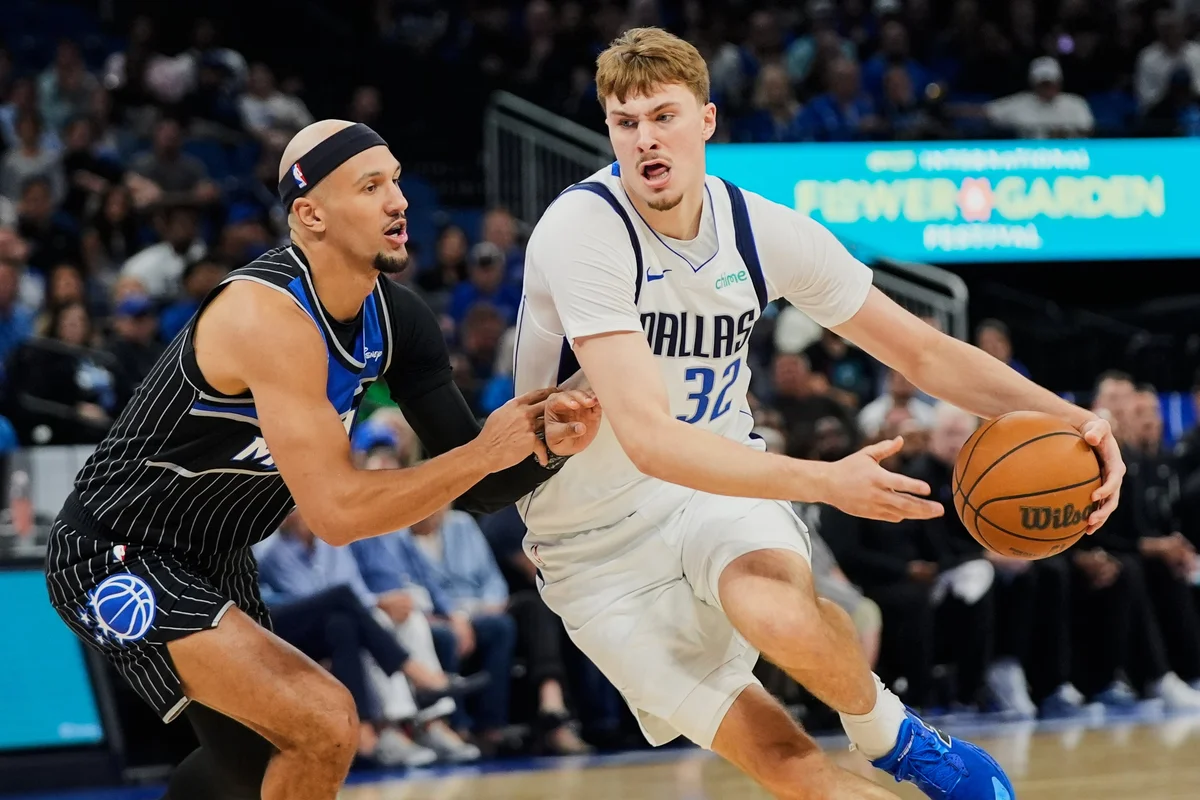
The Dallas Mavericks are still facing major challenges this season, even with Cooper Flagg back in their lineup. Over the eight games Flagg missed due to a midfoot sprain, Dallas recorded a 2-6 record, and since his return last week, they have yet to secure a win, going 0-3. The team’s difficulties highlight a deeper issue: they simply do not have the roster needed to compete at a high level this season.
Cooper Flagg Cannot Shoulder the Team’s Burdens Alone
Winning is tough for any team, but the Mavericks’ current campaign is especially discouraging given their recent success. Only two seasons ago, Dallas reached the NBA Finals for the third time in franchise history, and now they find themselves struggling near the bottom of the Western Conference standings. Their rapid fall from a top contender to one of the league’s worst teams has been stark.
With 43 losses and 18 games still to play, the Mavericks have already matched their total defeats from last season. Their recent performance is bleak, having lost 17 of their last 19 games, and their chances of making the playoffs are diminishing quickly. Even with Cooper Flagg healthy and active, the team remains far from competitive.
Factors That Turned Dallas’ Season Into a Struggle
The Mavericks effectively conceded this season when they traded Anthony Davis to the Washington Wizards at the trade deadline, signaling a shift toward rebuilding. Shortly afterward, they sidelined Kyrie Irving for the remainder of the season as he recovers from a torn ACL. These moves have accelerated their tanking strategy but left them dependent on Cooper Flagg’s development as a future cornerstone.
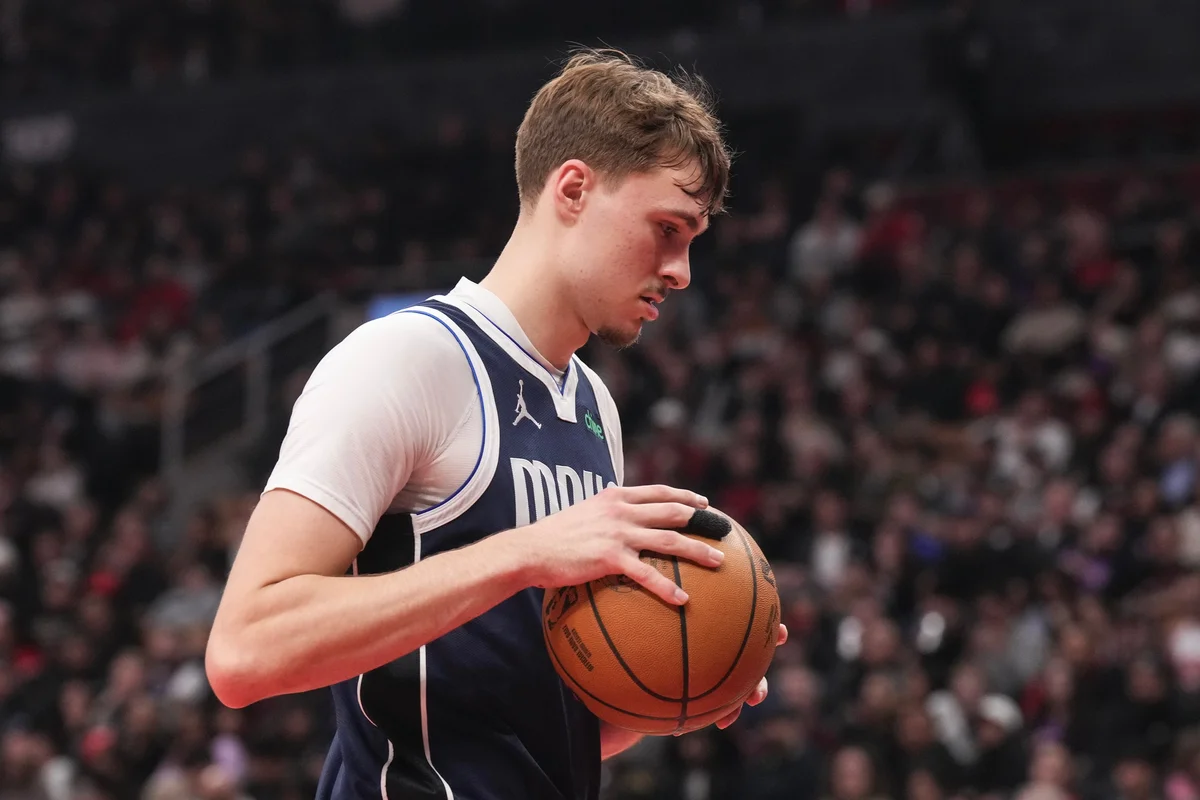
To progress, Dallas must acquire a co-star who complements Flagg, ideally aligned with his developmental timeline, possibly through the 2026 NBA Draft. The team’s current roster, designed around Anthony Davis, was intended to capitalize on size, physicality, rebounding, and defense but overlooked key aspects like shooting, guard play, and offensive creation, which has contributed significantly to their struggles.
Weaknesses in Dallas’ Lineup Undermine Cooper Flagg’s Growth
The Mavericks’ backcourt has been a glaring weakness all season, further exposed by Irving’s absence. Without a consistent playmaker to facilitate the offense and free Cooper Flagg in his optimal positions, the team has faltered. Although Ryan Nembhard showed promise paired with Flagg earlier this season, his role has diminished recently, leaving Dallas without a dependable floor general.
Moreover, Dallas’s shooting woes have been a dominant storyline. The Mavericks rank third-worst in the NBA in three-point shooting percentage at just 33.9 percent and are also among the lowest in three-point attempts per game, averaging only 31.2. Flagg’s game relies heavily on finishing near the rim and paint touches, and while he has improved his playmaking and ability to create for teammates by drawing defenders, the current roster lacks sharpshooters who can capitalize on the opportunities he creates.
As a result, even Flagg’s strongest individual performances have not translated into wins, underlining how critical it is for the Mavericks to build around him properly.
Cooper Flagg’s Potential Shines Bright Amid Team Challenges
Flagg’s performance this season has exceeded many expectations. He is averaging 20.2 points, 6.6 rebounds, 4.2 assists, 1.2 steals, and 0.9 blocks per game while shooting an efficient 47.2 percent from the field, establishing himself as more than just a generational two-way talent. His offensive upside is significant, with the potential to evolve into the team’s primary scoring option in time.
Mavericks fans have reason to feel optimistic about his future as the franchise’s cornerstone, but this optimism must be tempered by the reality that the organization must surround him with complementary pieces to translate his talent into playoff success and, ultimately, championship contention. In today’s NBA landscape, relying on a single star player is insufficient, and Dallas faces a crucial period of roster building to avoid repeating poor seasons and to return to winning ways.
