
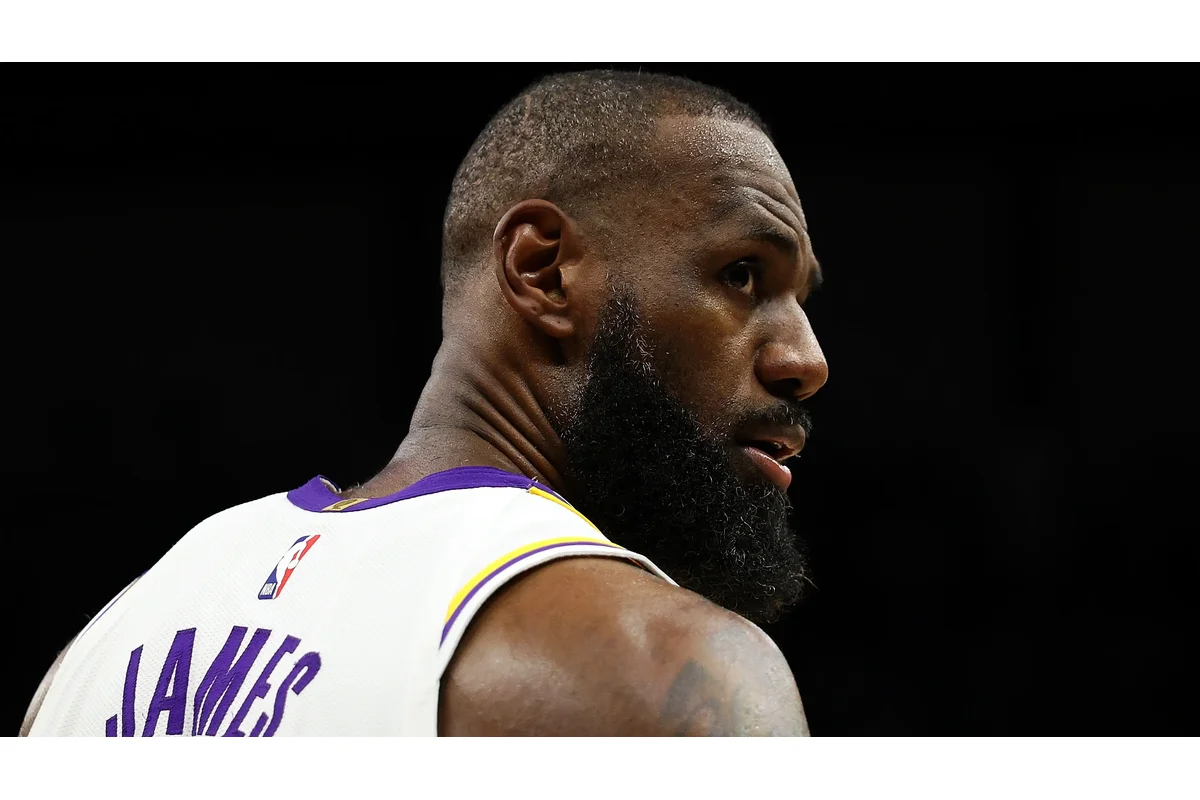
LeBron James’ career evolution is a remarkable story of continuous adaptation and growth. Since entering the NBA in 2003 as an extraordinary athlete with game-breaking speed, James utilized his physical gifts to dominate opponents, winning his first two MVP awards with the Cleveland Cavaliers in 2009 and 2010. However, his most significant transformation took place after moving to Miami in 2011, where he joined forces with Dwyane Wade and Chris Bosh to form a formidable big three.
LeBron’s time in Miami marked a period of reinvention, where he developed into a more complete player. This evolution was crucial in solidifying his status as one of the sport’s all-time greats and shaped his later success.
Shift from explosive slasher to versatile offensive force
Upon his arrival in Miami, James was already widely recognized as a dominant physical presence. Yet, under head coach Erik Spoelstra and alongside Wade and Bosh, he adjusted his offensive style significantly. Instead of relying primarily on athletic drives to the basket, James began emphasizing efficiency and precision, particularly after the Heat’s defeat in the 2011 NBA Finals to the Dallas Mavericks. This loss motivated him to refine his jump shot, adding a lethal scoring weapon beyond just attacking the rim.
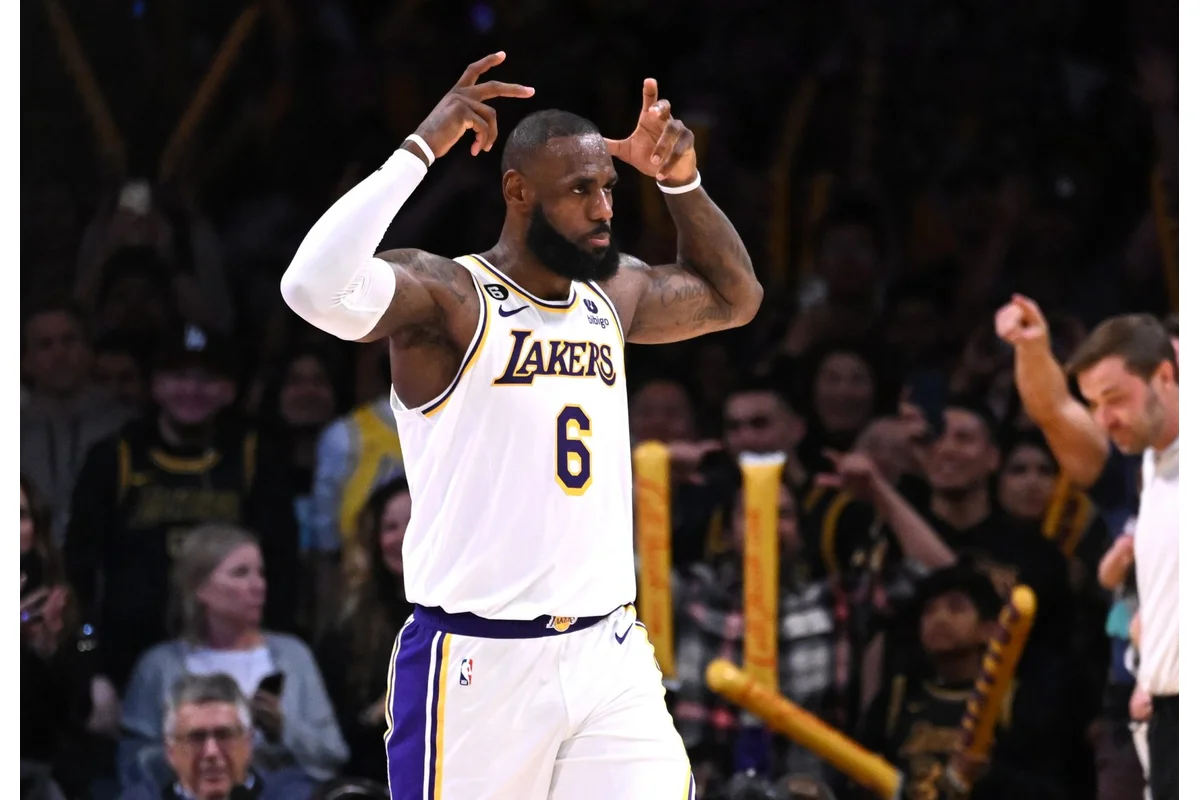
During his four seasons with Miami, James averaged an impressive 54 percent shooting accuracy and earned two more MVP trophies while winning his first two NBA championships. His offensive approach then was centered on his powerful, aggressive drives, minimizing jump shots but maximizing scoring impact around the basket.
Whichever Miami Bron, like he had a spin like he was shooting like 65 percent from the field at one point in time ’cause he would shoot no jumpers, everything was to the cup and he was literally going for like 30, nine and eight every game, like he was cooking,
said JR Smith, former teammate.
This era demonstrated James’ ability to exploit his physicality, but the league’s shift toward perimeter shooting meant adapting once again was necessary as his career progressed.
Developing a reliable outside shot after returning to Cleveland
When LeBron returned to Cleveland in 2014, the NBA was embracing the three-point shot more than ever. Recognizing the need to diversify his offensive tools, James incorporated a more consistent jump shot into his game to complement his athleticism. This change allowed him to become a more versatile and dangerous scorer.
JR Smith observed this phase closely, noting that James had become more dependent on shooting skills rather than purely athletic plays after rejoining the Cavaliers.
But I don’t know if he was more developed to where Cleveland, he relied on his jump shot and his skills because he couldn’t do everything athletically,
Smith said.
James increased his three-point attempts to an average of 4.5 per game after his return, up from 3.9 in his earlier years, without losing shooting efficiency. This evolution was instrumental as Cleveland reached the NBA Finals four seasons straight, highlighted by their historic comeback against the Golden State Warriors in 2016, where James led the team to an improbable championship victory.
Transitioning further into a perimeter shooter with the Lakers
Joining the Los Angeles Lakers at age 34, as some natural physical decline set in, LeBron leaned even more heavily into his outside shooting ability. Known now for his distinctive pre-shot glance at the ball before launching his three-pointer, James increased his three-point attempts to 6.1 per game in L.A., connecting on roughly 35 percent of those shots.
This adjustment reflects how James has embraced the modern NBA’s emphasis on outside shooting and preserved his elite level of play despite aging. Rather than relying solely on speed and explosive drives, his game now features more turnaround jumpers and strategic perimeter shots.
The Lakers still revolve around James’ leadership at 41 years old. His ability to reinvent himself in sync with the sport’s evolution underlines why he remains one of basketball’s top talents after two decades in the league.
LeBron was 5’10 in second grade, and he was white
joked Timothée Chalamet, teasing LeBron James about starring in his upcoming biopic.
LeBron James’ ongoing legacy and influence in basketball
LeBron’s journey from a physically dominant rookie to a multidimensional superstar exemplifies relentless determination and adaptability. His transformation in Miami was particularly significant, marking a transition that allowed him to build the foundation for sustained success later in Cleveland and Los Angeles.
This continuous evolution not only helped James accumulate multiple MVPs and championships but also redefined how elite players adjust their games over time. As the NBA shifts focus towards skill and shooting efficiency, LeBron’s career reflects the balance between athleticism, skill development, and game intelligence.
Fans and analysts alike continue to watch how James will adapt as he progresses in his late 30s and beyond, confident that his LeBron James career evolution offers lessons in resilience and reinvention for future generations of players.
