
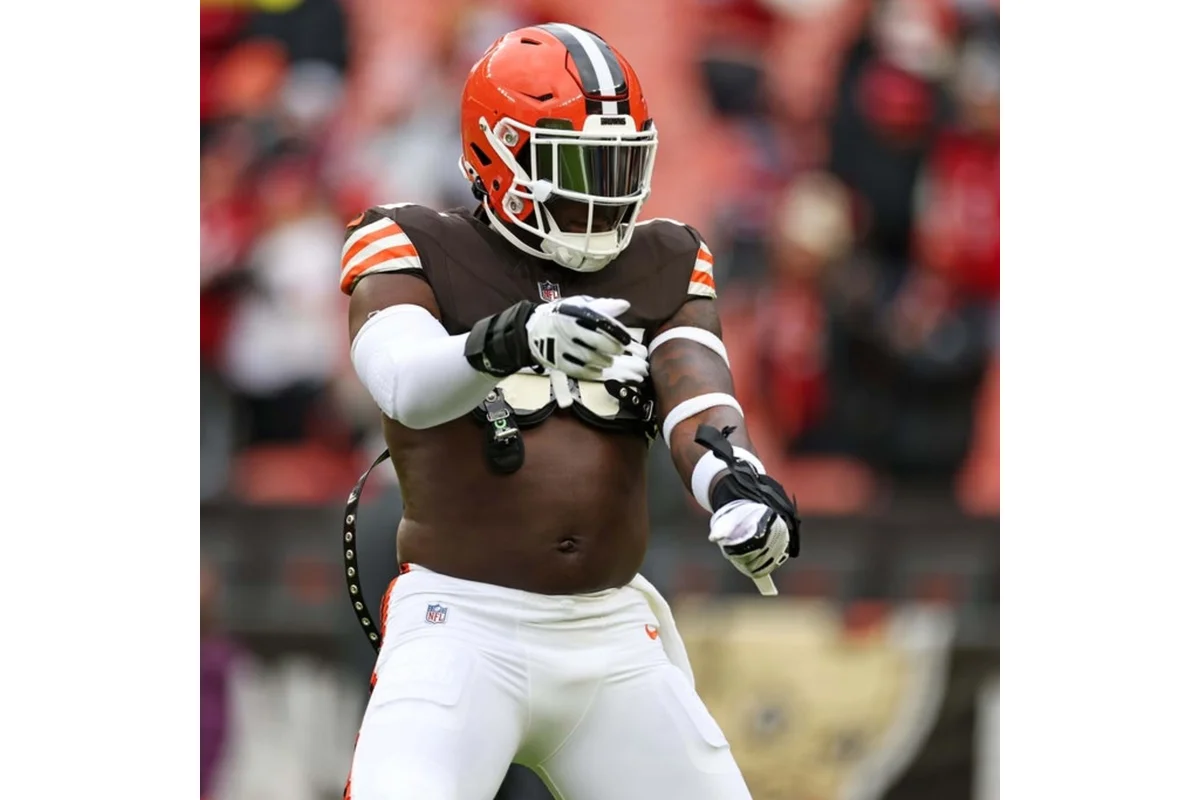
In Week 2 of the NFL season, rookie Jack Sawyer recorded his first sack, and with guidance from veteran T.J. Watt, he was close to earning another just two games later. Over the course of the season, Sawyer finished with two sacks, including one during the playoffs, yet he recognizes that getting to the quarterback more consistently remains an important focus. His willingness to absorb T.J. Watt’s advice helped him nearly secure a sack in a game held in Dublin, demonstrating the impact of Watt’s mentorship.
Learning from a Veteran’s Preparation and Game Awareness
On Christian Kuntz’s podcast, Sawyer highlighted how Watt dedicates extensive time before team meetings to studying the opposing team’s cadence, underscoring the attention to detail that defines Watt’s approach. Sawyer credited a specific piece of advice Watt gave during their Week 4 matchup against the Vikings, which he put into action during one of his first plays.
“What T.J. [Watt] does before team meetings there for an hour listening to the cadence”
, Sawyer said on Christian Kuntz’s podcast recently.
“Dude, I should’ve had a sack against Minnesota. When we played them, I didn’t get a holding call—it was a fucking hold—but T.J. [Watt] told me, he was like, ‘Hey, the center bobs once and it’s fake, it’s on two. There’s no on three’”
, Sawyer recalled.
Executing the Snap Count Tip in Real Time
Early in the first quarter, on his very first snap, Sawyer noticed the center’s head bob exactly as Watt had described. This allowed him to anticipate the snap count and time his rush perfectly, instantly pressuring Vikings quarterback Carson Wentz. Although the left tackle impeded Sawyer’s path with an arm grab, preventing a sack and avoiding a penalty, the experience reinforced the value of Watt’s tip.
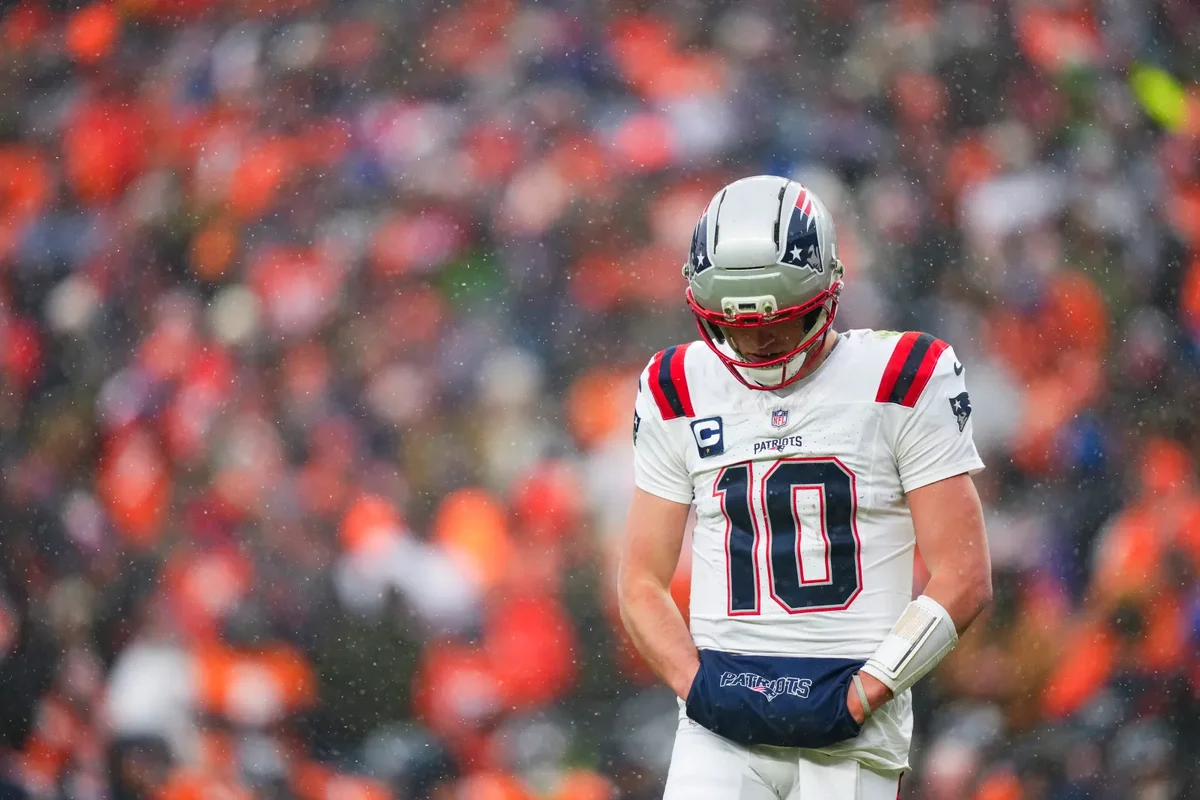
“First play in, I saw the center bob. … I’m not trying to get an offsides my first play in, you know what I mean? I’m like, ‘Damn, T.J. said it’s never on three’”
, Sawyer stated,
“so as soon as I saw the center’s head bob on the silent count the second time, I just took off and he snapped it”
.
Watching the play, it is clear that Sawyer reacted immediately to the center’s movement, positioning his shoulder low and attempting to swim past the left tackle. Although Wentz managed to release the ball on time, the attempt demonstrated how learning small cues drastically improves defensive timing.
Impressions of Watt’s Detailed Preparation on Team Success
Though Sawyer did not get credited with a sack or draw a penalty on that play, the lesson from Watt was unmistakable: attentiveness to opponents’ signals can change a defender’s impact during the game. Sawyer admitted that he was cautious about committing to a rush because an offsides penalty early in his rookie season would have drawn sharp criticism.
“I’m like, ‘Hey, this better not be a fucking on three or else I’m gonna be getting my ass ripped’. First play in I’m getting a five-yard penalty”
, Sawyer recounted.
Sawyer is not alone in recognizing Watt’s relentless commitment to studying opponents and sharing detailed advice. This habit gives teammates a strategic advantage, allowing them to anticipate plays before they unfold. Watt’s practice is typical of the preparation seen among elite players, and Sawyer benefits significantly by being mentored by one of the game’s best in their shared meeting room.
The Broader Impact of T.J. Watt’s Influence on a Developing Player
T.J. Watt’s guidance has proven instrumental in helping Jack Sawyer refine his instincts and timing during high-pressure situations. This mentorship not only bolsters Sawyer’s individual performance but also contributes to the overall strength of their defensive unit. As Sawyer gains experience and continues to apply Watt’s tips, his ability to disrupt opposing offenses is likely to grow, benefiting both his career trajectory and the team’s competitive edge.

