
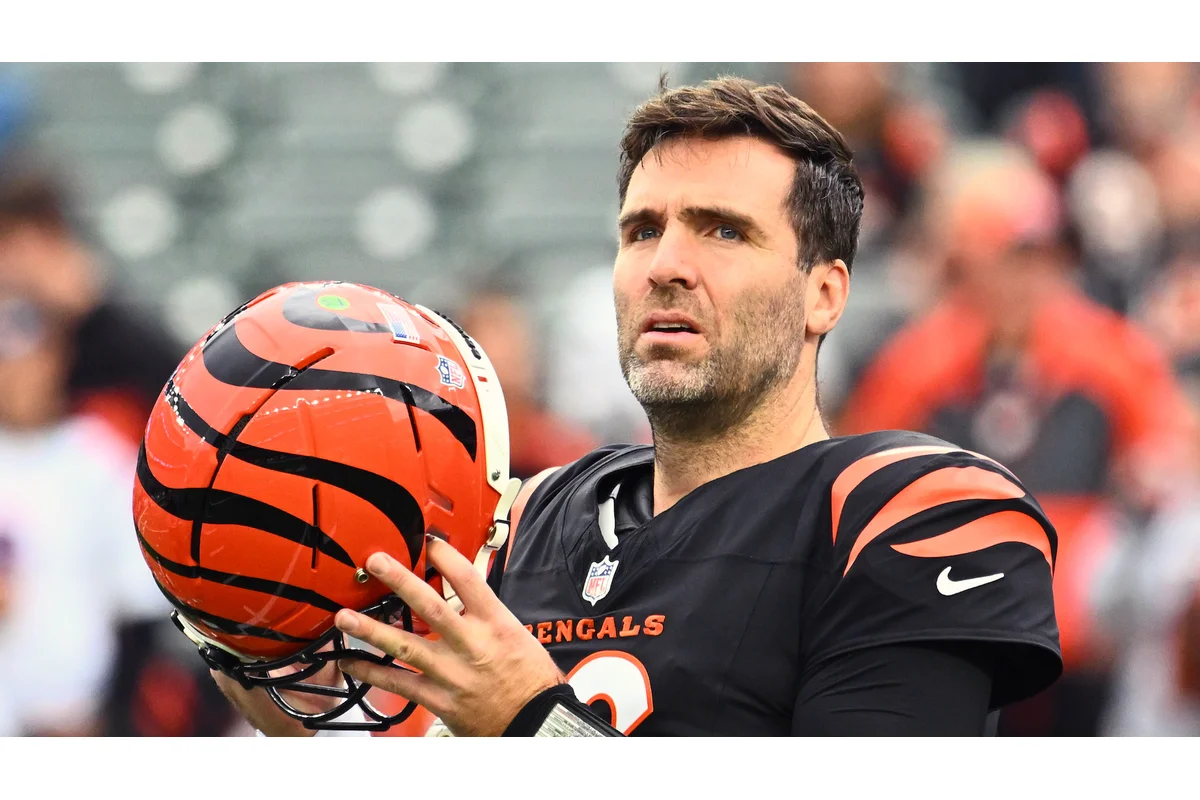
Joe Flacco’s recent comments on the risks of brain injury in football have stirred significant concern among fans and experts. He bluntly stated,
“We signed up to get concussions,”
highlighting a dismissive view of head injuries that runs counter to growing awareness about their dangers. This statement came amid ongoing debates about player safety in the NFL and the long-term consequences of repeated brain trauma.
The Grim Reality of Chronic Traumatic Encephalopathy in Football Legends
The cavalier position expressed by Flacco sharply contrasts with the tragic outcomes faced by several Hall of Fame players who suffered from Chronic Traumatic Encephalopathy (CTE), a degenerative brain disease linked to repeated head impacts. Pittsburgh Steelers center Mike Webster, found nearly homeless before his death at age 50, exemplifies the harsh toll football can take. Likewise, linebacker Junior Seau of the San Diego Chargers and Chicago Bears defensive back Dave Duerson both died by suicide in their 40s and 50s, respectively, with posthumous examinations revealing advanced CTE.
Public Response Reflects Rising Anxiety Over Football Safety
These devastating cases demonstrate that the risks Flacco appears to trivialize have serious consequences for many players. Critics urge that such statements harm efforts to increase safety protocols in a sport already under scrutiny for its handling of brain injuries. Herb Cromwell from Catonsville expressed dismay at Flacco’s attitude, writing,
“Thanks for the Super Bowl, Joe, but please keep your views on football safety to yourself. They’re beyond old-school; they’re dangerously ignorant.”
Implications for the NFL and Player Health Policy
The football community continues to grapple with balancing the sport’s physical nature and protecting players’ long-term health. Flacco’s remarks highlight the tension between traditional attitudes towards toughness in football and the evolving understanding of concussion dangers. His comments may intensify calls for stricter regulations and more effective prevention techniques to address brain injury risks in the NFL.
As awareness grows about conditions like CTE, the NFL and its players face mounting pressure to change how the game addresses head trauma. The public reaction to Flacco’s statement underscores how critical it is for athletes and the league to promote responsible conversations about the real dangers of repeated concussions. The future may hold significant reforms aimed at safeguarding players’ well-being while preserving the sport’s intensity.
