
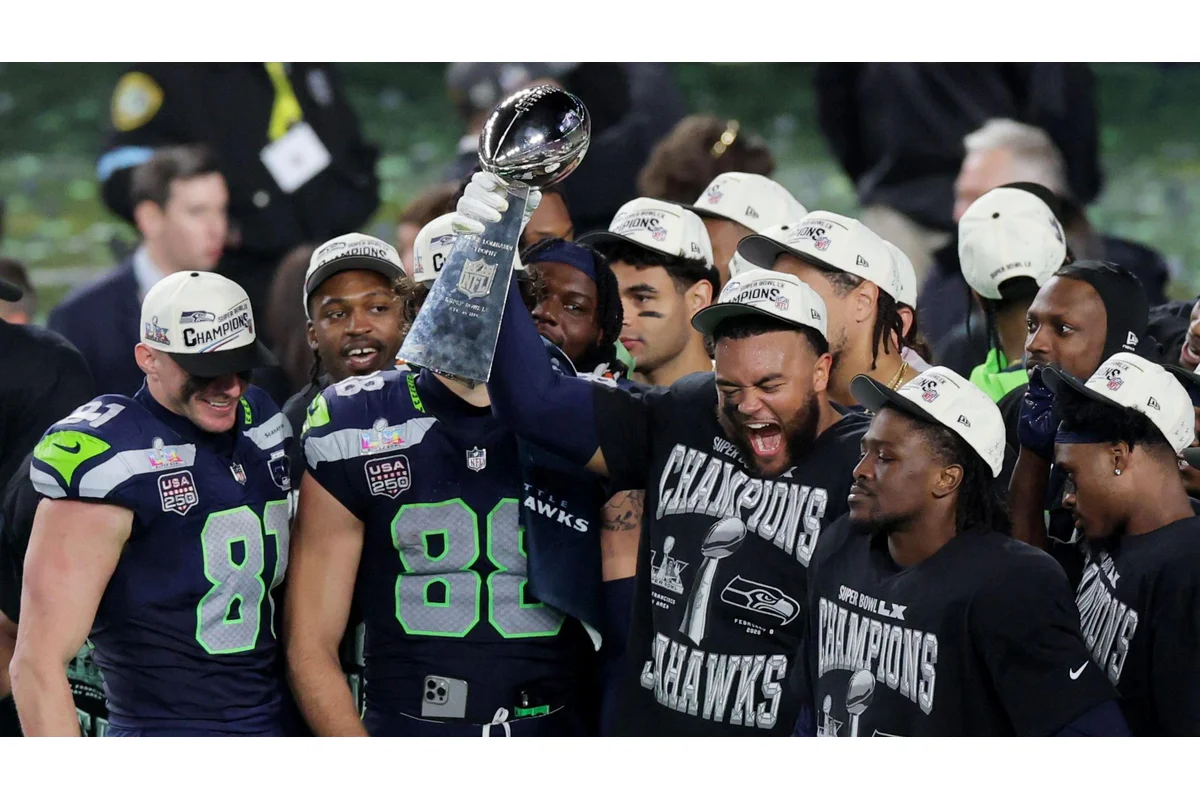
The Seattle Seahawks secured a commanding 29–13 victory over the New England Patriots in Super Bowl 60, held recently, showcasing one of the most dominant defenses seen in recent NFL history. The Seahawks’ defense pressured Patriots quarterback Drake Maye relentlessly, racking up seven sacks, two interceptions, and a forced fumble that left the Patriots struggling to sustain any offensive rhythm. This Seattle Seahawks dominant Super Bowl performance effectively dictated the game’s outcome from the start.
Kenneth Walker III Earns Super Bowl MVP with Outstanding Ground Game
Running back Kenneth Walker III was instrumental in Seattle’s triumph, earning Super Bowl MVP honors after an exceptional performance. The fourth-year player amassed 135 rushing yards on 27 carries, contributing heavily to the Seahawks’ total of 335 net yards. Walker consistently sparked the offense by converting seven first downs and forcing eight missed tackles, averaging 3.3 yards after initial contact. His ability to turn routine runs into significant gains provided the Seahawks with steady momentum.
His 93 yards came on runs of 10 or more yards, which kept the Seattle offense balanced and responsive without taking unnecessary risks. This achievement was particularly remarkable given New England’s strong run defense, which had allowed no single rusher to surpass 128 yards in a game since Week 18 of the 2023 season. Walker’s standout effort on the largest stage underscored Seattle’s physical dominance.
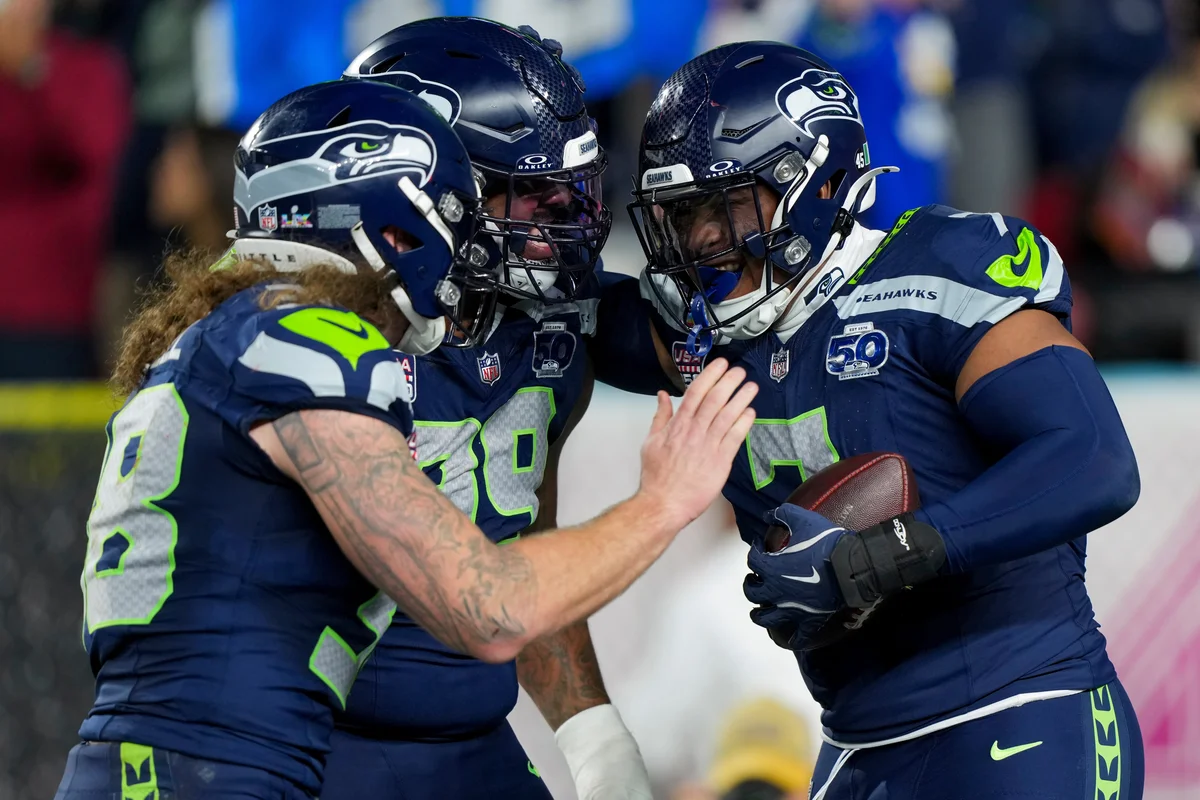
Seattle and New England Both Applied Pressure, But Results Varied Greatly
Defensive pressure was present on both sides throughout the game, but the outcomes for the Seahawks and Patriots quarterbacks were markedly different. Seattle quarterback Sam Darnold faced pressure on 15 of his 40 dropbacks (37.5%) but managed the adversity well, completing five passes for 56 yards and throwing a touchdown despite the hurries. He also scrambled effectively, breaking a tackle on an 11-yard run that extended a drive. Darnold’s performance under pressure yielded a 77.7 passer rating and a solid PFF grade of 65.6.
In stark contrast, New England’s Drake Maye experienced pressure on 14 of 53 dropbacks (26.4%) but struggled significantly. Maye completed only two of six attempts under pressure for 39 yards, threw an interception, and was sacked six times. His difficult night resulted in a PFF grade of 50.1 in pressured situations, reflecting an inability to counter Seattle’s aggressive rush effectively.
This disparity was also seen in expected points added (EPA). Seattle’s passing offense produced a positive EPA of 0.042 on pressured snaps, while New England’s offensive EPA plummeted to -1.362, a figure worse than any passing offense in the regular season.
Patriots’ Limited Offensive Adjustments Fail to Aid Quarterback Maye
Seattle’s consistent pressure left New England with little opportunity to modify their offensive approach to support Maye. The Patriots’ play-calling remained conservative, with just a single screen pass completed in the final seconds of the game and a low utilization of play-action, appearing on only 11.3% of Maye’s 53 dropbacks compared to his season average of 24%. Maye’s throws required longer decisions, with 22 attempts taking more than 2.6 seconds to release, and he was rolled out of the pocket just once all game.
These factors combined to force Maye into operating primarily from straight dropbacks under duress, a scenario in which he completed eight out of 15 passes for 123 yards, one touchdown, and an interception, but took four sacks and earned a low PFF passing grade of 40.7. This lack of variety or quick-release options intensified the pressure Seattle applied, effectively stifling the Patriots’ offense.
Conversely, Seattle’s offense showed more adaptability, incorporating play-action on 25% of Darnold’s dropbacks, multiple rollouts, and quick passes completed in under 2.5 seconds on numerous occasions, ensuring their quarterback was better equipped when protection broke down.
Seattle’s Defense Produces One of the Best Super Bowl Performances in Years
The Seahawks’ defense in this game ranks among the most efficient and dominant in Super Bowl history. On initial analysis, Seattle’s defense allowed a negative EPA per play (-0.329), which, if confirmed after comprehensive review, would be the third-best defensive effort since 2006. This mark surpasses the Seahawks’ own legendary “Legion of Boom” unit from 2013, which posted a -0.312 EPA per play.
Breaking the defensive impact down, Seattle allowed exceptionally low EPA figures in both passing (-0.344) and rushing (-0.269) situations. Their pass-rushing strategy featured an aggressive use of pass stunts on nearly half of their pass-rush snaps, the third highest recorded for a Super Bowl. Despite only deploying 12 blitzes throughout the game, the Seahawks’ pressure was decisive, converting 42.9% of pressures into sacks, resulting in seven sacks, three quarterback hits, and 14 hurries.
Christian Gonzalez Provides Defensive Resistance for Patriots Despite the Score
Even as Seattle dominated the game, Patriots cornerback Christian Gonzalez demonstrated strong individual play in the secondary, helping to mitigate what could have been a more lopsided contest. Targeted seven times, Gonzalez allowed only three catches for 36 yards but broke up three significant passes. One of these near interceptions, while not a takeaway, was close enough to influence the game.
Passes directed at Gonzalez’s coverage resulted in an opposing quarterback rating of just 59.2, highlighting his role as one of the few bright spots for New England’s defense on a night of heavy pressure and limited success elsewhere.
The Path Ahead Following Super Bowl 60 and What It Means for the NFL
With the 2025 NFL season concluded, Seattle’s dominant Super Bowl victory sets a new benchmark for defensive excellence and balanced offensive execution. Kenneth Walker III’s MVP-level rushing and the Seahawks’ tactical flexibility, especially in pass protection and creative play-calling, demonstrated a blueprint other teams will study as they prepare for upcoming seasons.
The Patriots will need to reassess their offensive strategies and quarterback development, particularly around supporting Drake Maye under pressure. Meanwhile, the NFL looks forward to the 2026 draft season, where teams aim to build on lessons from this championship game and bolster their rosters for the years ahead.
