
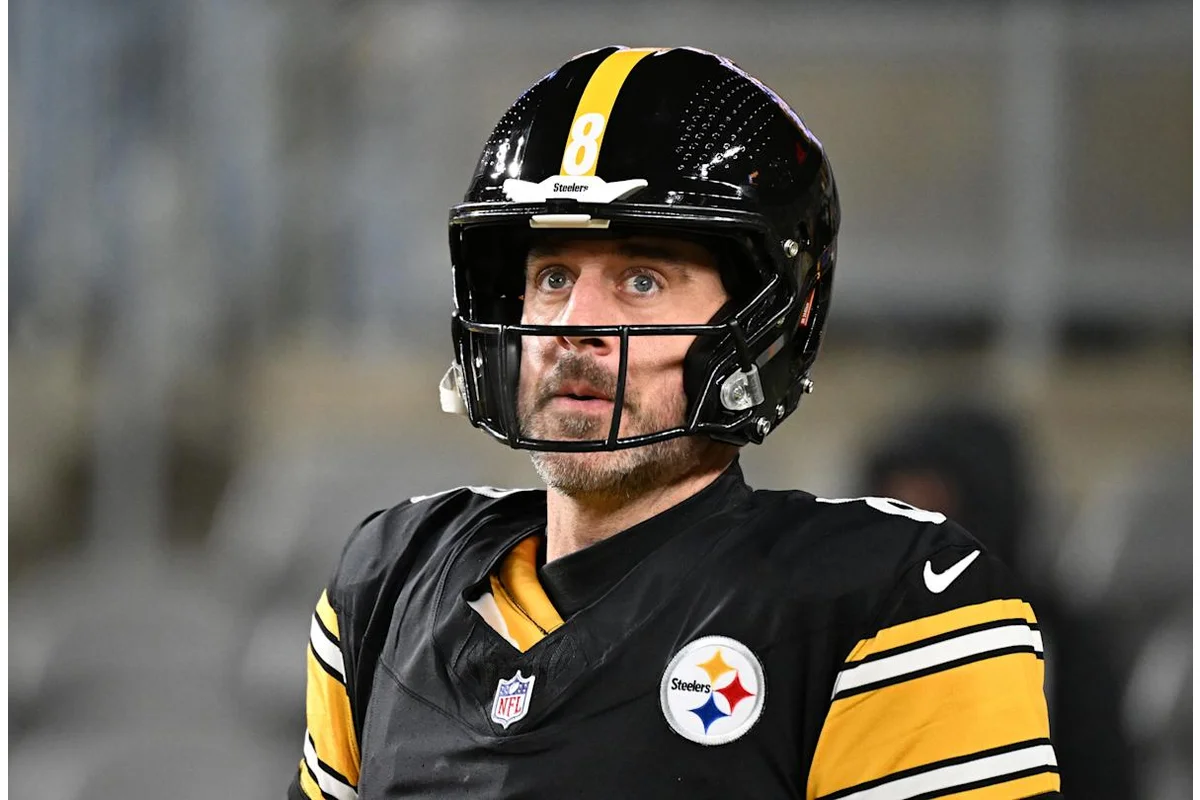
On the evening of February 13, 2026, Cleetus McFarland’s long-anticipated NASCAR Truck Series debut at the Daytona 500 came to a sudden and harsh end, raising questions about his future on the track and drawing uneasy comparisons to the complicated Aaron Rodgers legacy in NASCAR. McFarland, a popular YouTuber turned driver, started strong from 12th position but lost control just six laps into the race at Daytona International Speedway, causing a severe crash against the inside wall.
The incident unfolded when McFarland’s truck got tight coming out of a corner, then abruptly snapped loose in the densely packed bottom lane during a three-wide contest. The sharp spin left no chance for recovery, abruptly ending what had seemed a promising debut in the elite NASCAR series.
Details of the Crash and Immediate Aftermath
The force of the impact stunned the crowd into silence, but McFarland quickly communicated over the radio that he was unharmed. Despite the driver’s reassurances, the damage to his vehicle was severe enough to terminate his race early. Bob Pockrass, a well-known NASCAR reporter, tweeted,
“Cleetus McFarland’s race is over as he had a hard hit on the inside wall. Window net is down.”
I’m all good. That was a hard knock, but I’m good,
McFarland stated shortly after the crash, confirming his physical well-being even as the recovery team assessed the wrecked truck.
However, reality soon set in as McFarland admitted,
The car has to be fucked. It’s in pretty bad shape.

His window net lowering signaled the definitive end to his first major NASCAR appearance, a tough setback after a promising start in traffic.
Reactions from Fellow Drivers and NASCAR Community
The crash quickly drew commentary from peers and fans alike. McFarland’s Truck Series colleague, Travis Pastrana, visiting Daytona that night, expressed dismay humorously, exclaiming,
NO! Cleetus is gone?!? There’s one car crashed out, and it’s my freaking shake and bake partner. ….hahahaha…whoops,
highlighting both camaraderie and the brutal reality of speedway racing.
Superspeedway racing demands precision and leaves little room for error; one split-second oversteer can end a surge for victory and force an early exit – a fact McFarland experienced firsthand.
Fan Backlash Highlights Debate on Experience Versus Fame
The response from a portion of the NASCAR fan base was swift and scathing. Social media erupted with criticism harshly targeting McFarland’s transition from internet celebrity to professional driver, questioning the legitimacy of his opportunity and blaming his youth for the crash.
One viewer summarized the harsh sentiment, writing,
First in to run out of talent- The YouTuber. ‘Cleetus McFarland’ was never a good idea.
The comment reflected a widely shared belief that McFarland’s debut was doomed from the start and served as proof that some ventures from influencer status into professional stock car racing may be premature or ill-advised.
Further criticism included blunt calls to reconsider how such chances are awarded, as another user noted,
And that’s why maybe we shouldn’t put social media influencers in a truck just because he has money 🤷♂️.
Ridicule continued with a particularly biting comment suggesting he lacked sufficient preparatory experience:
Hahahahaha, go away chode. Go back to your stupid followers on YouTube. Race gay crown vics. Maybe you should’ve run 5 years of ARCA first with better than a 32nd pack average and causing 9 yellows per race,
which implicitly chastised McFarland’s supposed unpreparedness for high-speed competitive environments.
Calls for McFarland to Build Credibility in Lower Series
The idea that social media fame should not shortcut traditional development pathways resonated with many fans, who argued that success in NASCAR begins with seasoning in lower-tier series before advancing to marquee events like the Daytona 500. Several voices encouraged McFarland to focus on less consequential racing levels where mistakes carry reduced consequences.
For example, one criticized voice implored,
Cletus McFarland needs to stick to Crown Vics and Altimas,
suggesting a return to grassroots racing to build skill and credibility.
Others dismissed McFarland’s appearance outright, branding it a gimmick rather than a legitimate athletic pursuit, as seen in this blunt verdict:
Not shocked 💀 shouldn’t even be out there #Gimmick.
This overwhelming backlash reflects persistent skepticism over whether McFarland’s presence on the NASCAR circuit derives from merit or marketing, with the lap six wreck serving as a focal point for critics to question the meritocracy of the sport’s entry points.
Broader Implications for NASCAR and Emerging Drivers
McFarland’s crash and the ensuing debate underscore the tension between evolving cultural dynamics in motorsports and traditional expectations of driver development. His experience echoes the complexities found in the legacy of NFL star Aaron Rodgers, who faced scrutiny over critical career choices and performance inconsistencies. McFarland’s trajectory now appears poised at a crossroads where decisions about skill refinement and strategic career moves will determine whether he carves out a respected place or becomes a cautionary tale of hype overshadowing preparedness.
As the NASCAR community digests this incident, it remains uncertain how McFarland will respond—whether he will persist through the criticism and setbacks or recede from the national spotlight. For NASCAR, balancing the appeal of influencer-driven audiences with the integrity of competition represents an ongoing challenge as the sport navigates its future in a changing media landscape.
Cleetus McFarland's race is over as he had a hard hit on the inside wall. Window net is down.
— Bob Pockrass (@bobpockrass) February 14, 2026
