
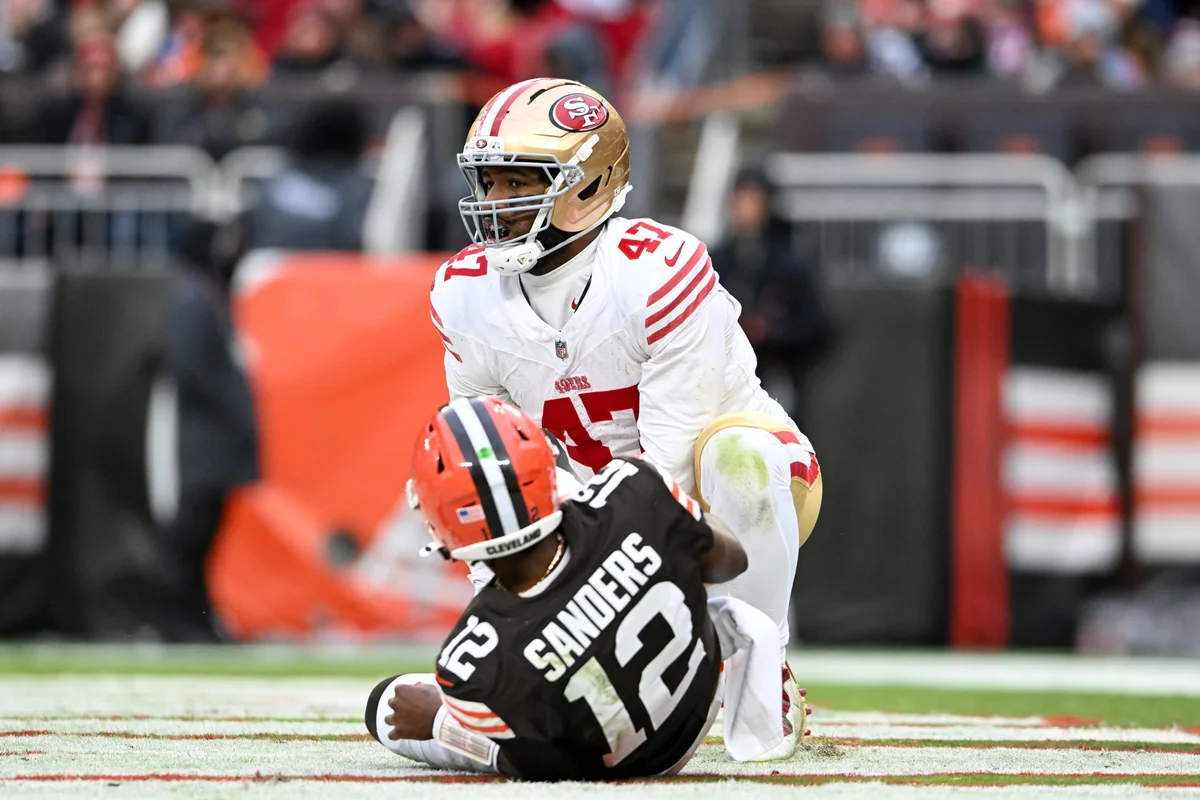
The Green Bay Packers began their offseason with a surprising development when special teams coordinator Rich Bisaccia resigned on Tuesday night, ending a relationship that once seemed stable since their season concluded 39 days ago. As Byron Storer, Bisaccia’s top assistant, moves on to join the Cleveland Browns, the Packers are now faced with the challenge of replacing key personnel in their coaching staff. This transition appears to be a significant factor in casting doubt over Keisean Nixon’s place within the team moving forward.
Nixon’s value for the Packers was largely tied to his contributions on special teams rather than his performance at cornerback. Though initially hesitant to take on returner duties, Nixon was persuaded by Bisaccia to step in during the playoffs, where he returned three kicks for 69 yards in the Wild Card game against the Chicago Bears. This decision underscored the trust Bisaccia placed in Nixon as a versatile player capable of contributing beyond the defensive backfield. With Bisaccia now gone, Nixon loses his primary advocate within the organization, jeopardizing his role.
Financial and Performance Factors Weighing Against Nixon’s Retention
From a financial standpoint, releasing or cutting Nixon could free up approximately $5 million in salary cap space for the Packers, according to Spotrac. Considering the team’s current status of being about $1.5 million over the salary cap, this relief would be vital as general manager Brian Gutekunst prepares for upcoming decisions involving players like Elgton Jenkins, Aaron Banks, Rashan Gary, and possibly Josh Jacobs. These financial pressures intensify the scrutiny on Nixon’s contract and performance.
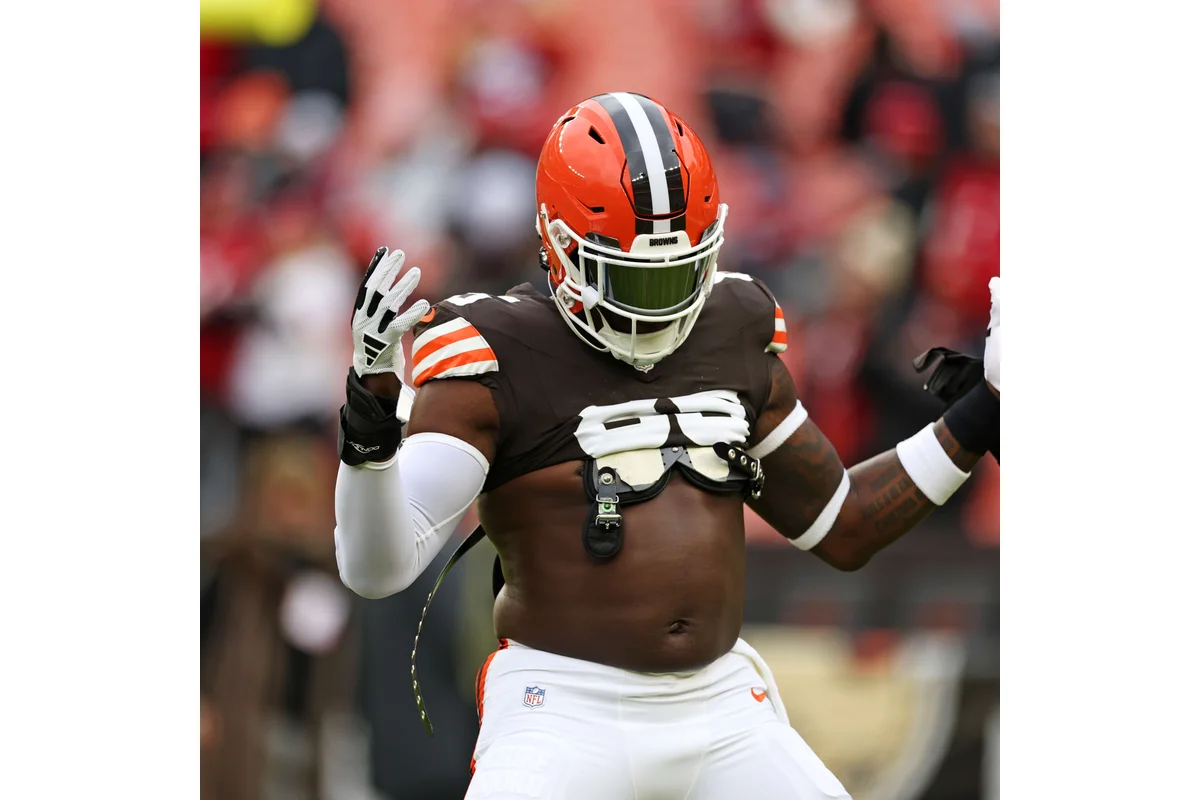
On the field, Nixon’s cornerback play raised concerns throughout the year, especially for former defensive coordinator Jeff Hafley. With fellow cornerback Nate Hobbs potentially leaving, moving on from Nixon aligns with the team’s broader defensive reorganization. Statistically, Nixon’s impact was underwhelming, with a catch rate of 64.4% allowed on 87 targets, 651 yards conceded, and a career-high six touchdowns allowed. He also gave up 160 yards after the catch and faced a quarterback passer rating of 105.1 when targeted, highlighting his vulnerability in coverage.
While Nixon’s Pro Football Focus grade of 66.4 placed him near the middle of eligible cornerbacks at 41st out of 114, these numbers do not fully capture the challenges he faced. His $7.1 million cap hit and $4.3 million base salary are substantial in relation to his output. The option to reduce this financial burden by utilizing him on special teams may no longer be viable without Bisaccia’s presence, further diminishing his value to the Packers.
Implications for Packers Roster and Future Direction
With Bisaccia and Storer exiting the coaching staff, the Packers confront essential decisions that could reshape their roster and special teams strategy. Nixon’s uncertain future reflects the broader challenges the team faces in balancing salary cap constraints with on-field performance needs. As Green Bay looks toward the 2026 NFL draft for potential affordable replacements, the organization will likely focus its resources on strengthening the cornerback position and enhancing defensive consistency.
General manager Brian Gutekunst’s upcoming moves will be critical to addressing these gaps while managing financial limits. Nixon’s departure, prompted in part by coaching departure and contract considerations, might mark a shift in Green Bay’s approach to personnel who cannot simultaneously contribute effectively on defense and special teams. The coming offseason will reveal how the Packers prioritize these changes as they aim to improve their defensive efforts and overall team depth.
