
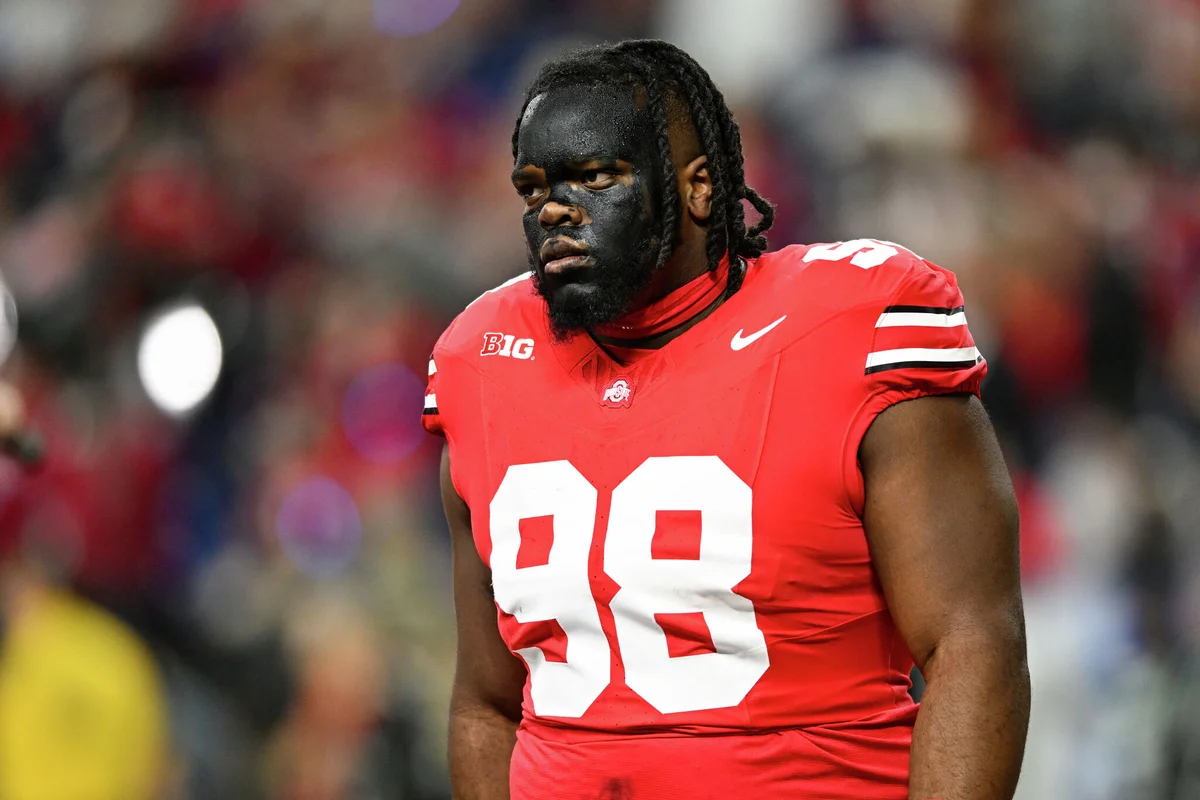
After Dawand Jones suffered another season-ending injury, the Cleveland Browns faced an urgent need to reinforce their offensive line. The team brought in veteran Cam Robinson, who on paper appeared to be a practical and affordable solution. However, his on-field performance failed to meet expectations, especially in protecting the quarterbacks.
Robinson struggled significantly with pass protection, often allowing defenders to breach the pocket quickly and exposing his quarterbacks to pressure. This weakness raises a critical question for the Browns about whether bringing him back, particularly as a starter, would be wise given the risks involved.
Cam Robinson’s Performance Metrics Reveal Major Concerns
Statistical analyses from several football performance evaluators paint a grim picture of Robinson’s effectiveness. According to Sharp Football Analysis, he allowed pressures on 9.1% of snaps, ranking him 32nd out of 34 qualified left tackles, and conceded pressure in under 2.5 seconds on nearly a quarter of dropbacks, placing him 24th.
Pro Football Focus offered similarly negative evaluations, assigning Robinson a low overall grade of 48.2, which placed him near the bottom among tackles. His pass-blocking score was 56.2, ranked 73rd, while his run-blocking grade, at 48.3, placed him among the league’s weakest in that category.
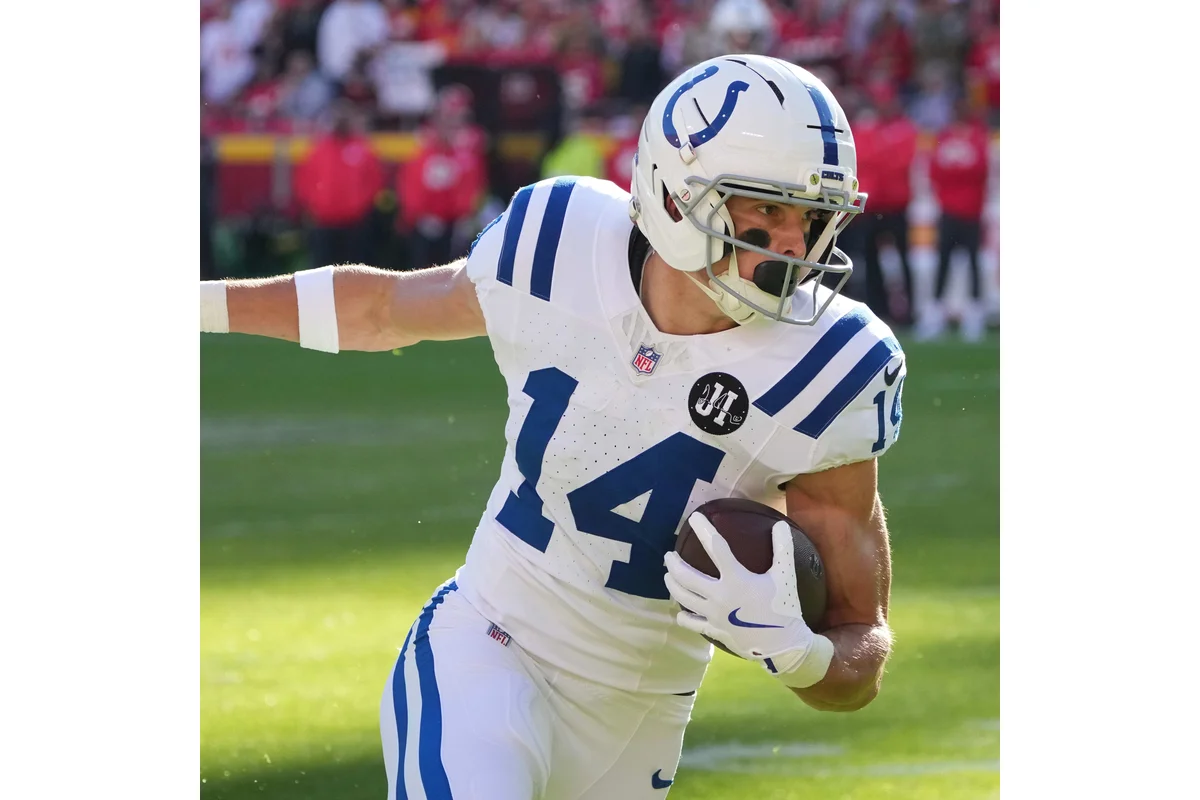
Further corroborating these findings, Pro Football Sports Network ranked Robinson 185th among all offensive linemen and 80th among tackles, with an Impact Grade of just 57.1. His penalty count stood out as the second highest in the league with 14 infractions, and he surrendered eight sacks, ranking 78th out of 89.
Financial and Strategic Implications for the Browns’ Roster
Despite his underwhelming numbers, market estimates suggest Robinson could command a salary around $13.1 million. Considering the Browns currently have only $3.2 million in cap space, according to Over the Cap, re-signing him at such a cost appears both unrealistic and imprudent.
Instead, the Browns seem poised to target promising talent like Spencer Fano or Francis Mauigoa with their No. 6 draft pick to address the tackle position. With concerns surrounding Jack Conklin’s durability, Cleveland remains in search of reliable offensive linemen to build around.
Additionally, several free-agent tackles, including Rasheed Walker, Braxton Jones, Alijah Vera-Tucker, and Braden Smith, are available options. Strengthening the offensive line is vital regardless of who the Browns ultimately designate as their starting quarterback, as providing a clean pocket remains a top priority.
Looking Ahead: Avoiding Past Mistakes to Secure the Offensive Line
The experience with Cam Robinson serves as a cautionary tale for Cleveland as they rebuild their offensive front. Investing heavily in a veteran who proved ineffective could hamper their progress and put their quarterbacks in jeopardy. Instead, the Browns should focus on younger, more dependable players or promising draft picks to solidify protection.
By addressing these weaknesses thoughtfully, the Browns have a chance to build a resilient offensive line that supports offensive stability and reduces injury risk. The decisions made in the coming months will be critical in shaping their offensive success going forward.
9 reasons why the Browns went 5-12 pic.twitter.com/TIHzR41bW1
— Warren Sharp (@SharpFootball) February 13, 2026
