
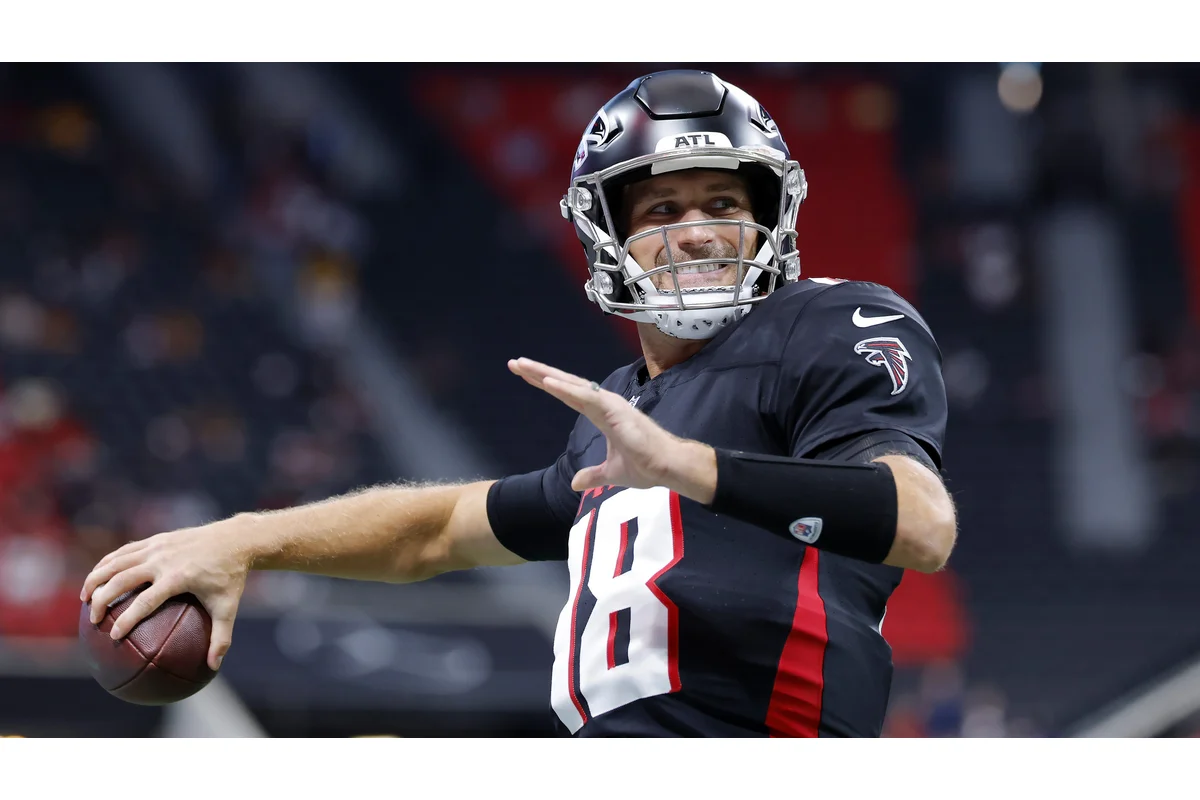
Kirk Cousins, the Minnesota Vikings quarterback, recently discussed the challenges quarterbacks face against the Seattle Seahawks’ defense, underlining why the Seahawks’ scheme remains so effective. Speaking in early 2026, Cousins exposed how Seattle’s defensive approach disrupts quarterback timing and decision-making, offering rare insight into the mental battle on the field.
How Seattle’s Defensive Strategy Creates Confusion for Quarterbacks
Kirk Cousins has made it clear that Seattle’s defense under coordinator Mike Macdonald confounds even seasoned quarterbacks by cleverly disguising their coverage. Instead of giving away coverage through pre-snap alignments, Seattle plays a waiting game, revealing their true intentions only at the last possible moment. This tactic forces quarterbacks to reconsider their reads mid-play, increasing the risk of mistakes.
According to Cousins, Seattle’s defense often shows two safeties “high” in a split alignment pre-snap, suggesting one type of coverage. But right at the snap, their players hold their positions longer than usual, delaying the usual rotation that quarterbacks expect to read. The hesitation this creates causes confusion.
“The first time I’ve ever seen coverage disguised as well as I saw this year was Seattle,”
Cousins said on the Friends From Work podcast, breaking down the scheme’s sophistication.
He further explained that the defensive free safety aligns in what appears to be a single high cover (referred to as the “11 hole”), but the position shifts only just before the play unfolds, making it difficult for quarterbacks to anticipate the actual coverage.
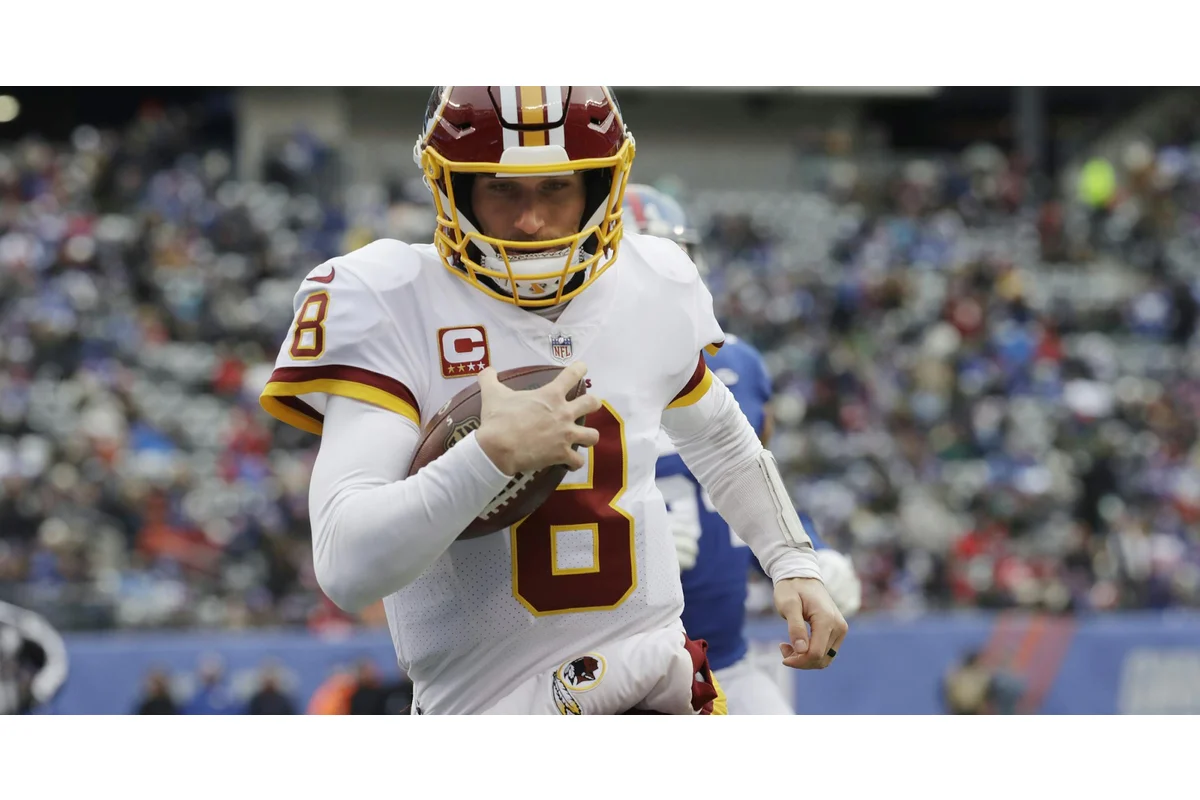
Week 14: A Clear Example of Seattle’s Defensive Impact
In Week 14 of the 2023 NFL season, Cousins experienced firsthand the frustration caused by Seattle’s defense as the Vikings fell 37-9 to the Seahawks. Throughout the game, Cousins completed 15 of 30 passes for 162 yards but threw two interceptions and failed to score a touchdown, reflecting his struggle to find rhythm under pressure.
The confusion Cousins described on the podcast was evident on the field; Seattle’s delayed pre-snap movement kept him guessing, prolonging his reads and altering his timing. This resulted in hesitation that Seattle exploited to force turnovers and limit offensive productivity.
As sports analyst Ari Meirov tweeted,
“Kirk Cousins breaking down the #Seahawks defense and what makes them so difficult is football heaven (or hell if you’re the QB). Great stuff from Kirk. This is amazing.”
This assessment underscores how Seattle’s defensive disguise frustrates quarterbacks by forcing them to process multiple coverages within a single play.
Disguised Coverage and Delayed Defensive Reads
Quarterbacks traditionally rely heavily on the pre-snap alignment of safeties to determine the coverage and anticipate where to throw. Seattle’s defense, however, leaves these safeties standing still longer than usual after the snap, contradicting the standard signal these looks provide. Cousins highlighted this on the podcast:
“But now Mike’s saying, don’t do that… But on the snap of the ball, they just stand there,”
Kirk Cousins said, illustrating how the delayed movement forces quarterbacks to hold the ball longer.
This unexpected pause prevents quarterbacks from locking in their reads immediately, which often leads to pressure from the defensive front and errant throws. It’s a breakdown of timing—one of the most critical elements for successful quarterback play.
How Mike Macdonald’s Scheme Amplifies Pressure Through Deception
Mike Macdonald’s Seahawks defense is not only about physical pressure but also psychological disruption. It leverages a patient, measured approach where defenders maintain discipline in their assignments while hiding their intentions until the last moment. This creates an almost chess-like battle where quarterbacks are left reading double signals, drastically increasing the probability of mistakes.
Cousins described this deceptive approach further on the same podcast:
“And so I’m like, oh, that’s like a 44 man or a 22 man… as you watch the play really late in the down, this starts to happen. But so late that the ball is like leaving my hand…”
“They just don’t play 11 holes until the last second, until they absolutely have to… And that’s where it started to, like, blow my mind.”
Such late adjustments in coverage schemes make it extremely difficult for quarterbacks to execute their plays with confidence, forcing them into hurried decisions and fostering turnovers. The defense’s success is rooted in forcing hesitation, effectively turning a quarterback’s natural instincts against them.
Implications for Quarterbacks Facing the Seahawks
Seattle’s defensive blueprint challenges quarterbacks to sharpen their mental acuity and make faster, more accurate reads under pressure. As demonstrated by Kirk Cousins’ struggles, even experienced and talented quarterbacks are vulnerable to this scheme’s complexity.
Teams preparing to face Seattle must develop strategies that can counteract the delayed movement and disguised coverage. This could involve quicker release times, pre-snap motions to reveal coverage, or enhanced communication to minimize confusion. Without such adjustments, opposing offenses risk becoming victims of Seattle’s strategic patience and disguise.
In a league where quarterback efficiency is essential for success, the Seahawks’ defense has established itself as a relentless disruptor. By blending timing, patience, and deception, Seattle creates an unpredictable environment that frustrates even the most skilled quarterbacks, signaling the need for continuous evolution in offensive approaches.
Kirk Cousins breaking down the #Seahawks defense and what makes them so difficult is football heaven (or hell if you’re the QB).
Great stuff from Kirk. This is amazing.
(via @TheFFWPodcast:pic.twitter.com/sm3fm9Thr2
— Ari Meirov (@MySportsUpdate) February 20, 2026
