
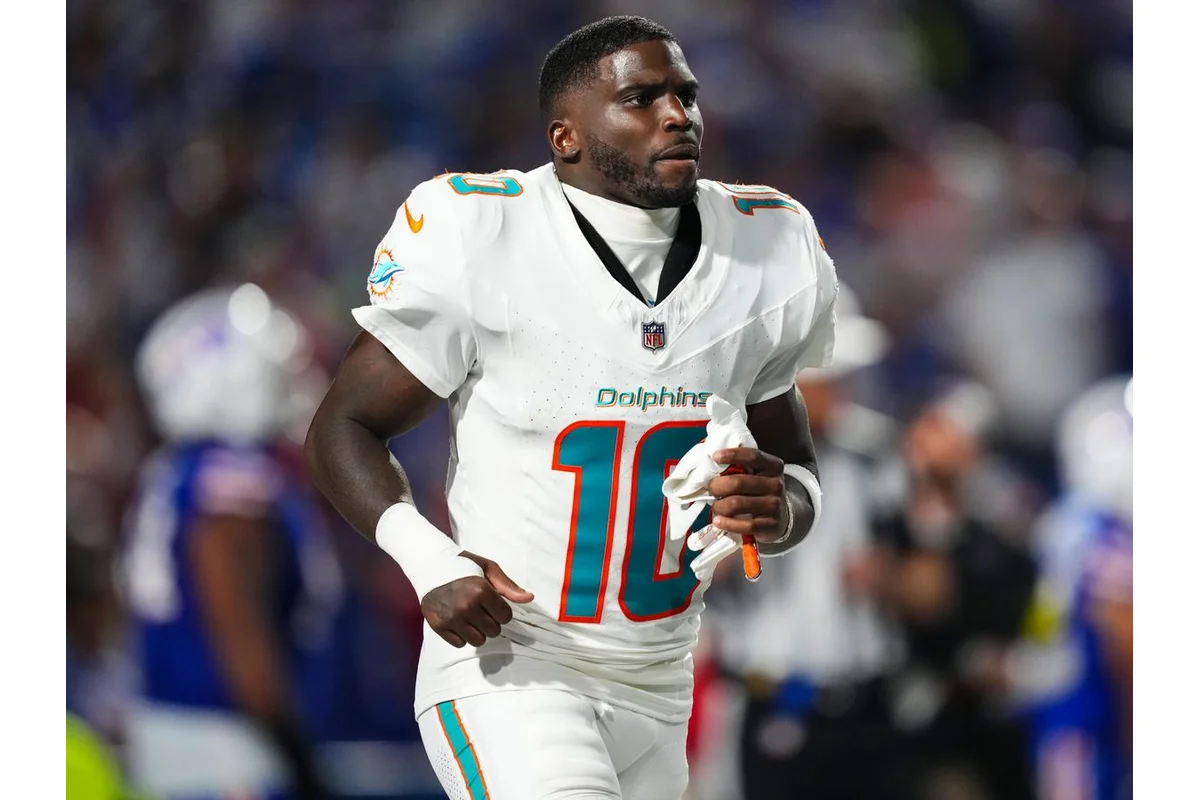
The Miami Dolphins are entering a period of significant transition after releasing star receiver Tyreek Hill and linebacker Bradley Chubb, alongside firing head coach Mike McDaniel. With new head coach Jeff Hafley at the helm, Miami’s focus has shifted from maintaining the previous roster to rebuilding, creating uncertainty around their quarterback situation and future direction.
Central to this uncertainty is quarterback Tua Tagovailoa, who signed a massive four-year, $212.4 million contract less than two years ago. However, reports indicate that the Dolphins prefer to trade him, aiming to resolve the quarterback question promptly to avoid financial pitfalls and roster gridlock. The looming salary cap implications further complicate Miami’s planning for the 2026 offseason, making it crucial to balance cap space with flexibility.
Addressing the Quarterback Dilemma: Trading Tua Tagovailoa
To move forward decisively, Miami should consider trading Tua Tagovailoa before the June 1 deadline if the front office sincerely wants a clean slate at quarterback. Cutting him outright is financially damaging, and prolonging the decision undermines Miami’s leverage in the market as other teams resolve their own quarterback needs.
An early trade would clear the fog surrounding the Dolphins’ offseason strategy, stabilize their cap situation, and secure valuable assets for rebuilding. Additionally, it would foster a more honest team environment, as players can contend with change but not ongoing uncertainty.
Securing the Offense: Restructuring Jaylen Waddle’s Contract
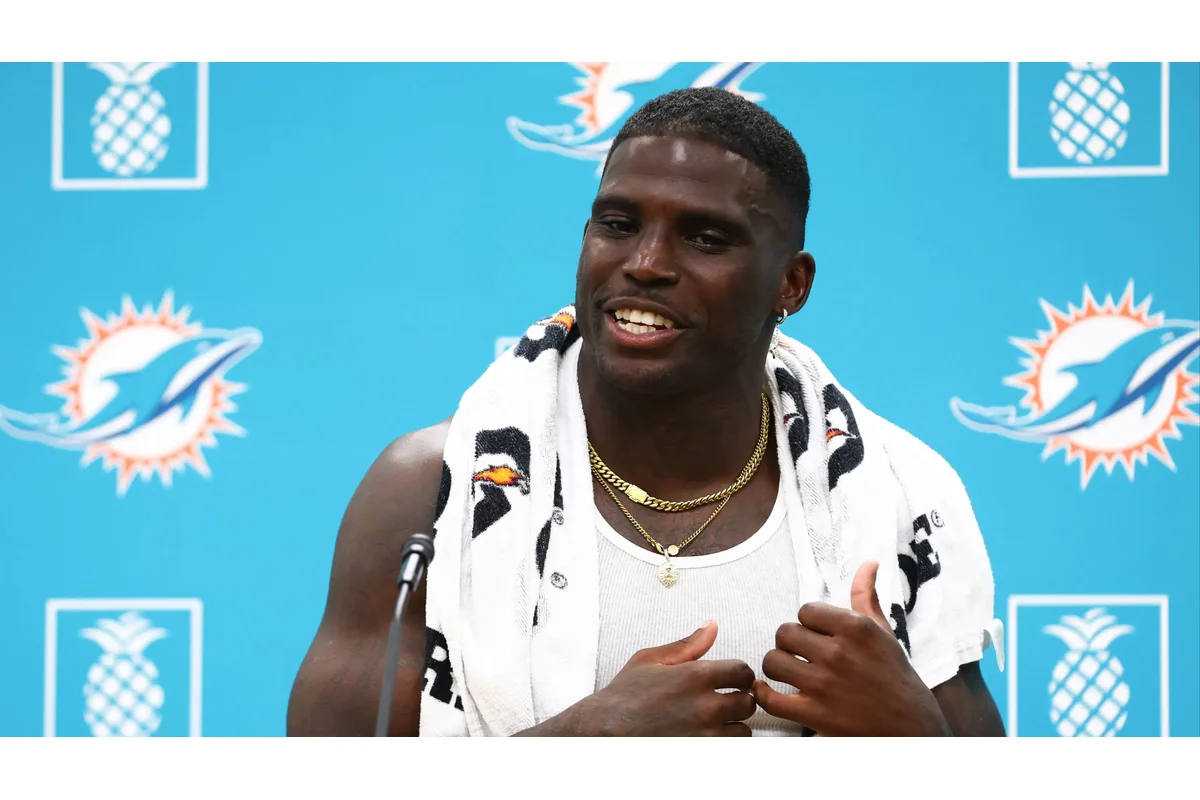
Following the shift in the receiving corps after Hill’s departure, Miami must proactively restructure Jaylen Waddle’s contract early in the offseason. As the clear offensive leader now, Waddle’s agreement presents a key opportunity to free cap space without sacrificing talent, essential for a team in transition.
If Miami trades Tua and drafts a rookie quarterback, Waddle’s presence is vital to support a young passer by offering reliable separation and safer options on the field. Alternatively, should they opt for a veteran bridge quarterback, Waddle remains a dependable target and safety net. However, restructuring Waddle’s contract only works if the team commits to keeping him as a foundational piece moving forward.
Maintaining Defensive Consistency Through Zach Sieler’s Restructuring
While revamping the roster, Miami must also protect the stability of its defense, and restructuring Zach Sieler’s contract offers a controlled way to achieve cap relief. Sieler plays an essential but understated role in Miami’s interior defense, helping reduce pressure on the linebackers and aiding the secondary’s performance by limiting explosive plays.
Allowing key defensive pillars to leave simultaneously would hinder head coach Jeff Hafley’s ability to maintain a functional scheme, risking a breakdown in the team’s defensive identity. By restructuring Sieler’s deal, the Dolphins can ease cap strain without losing a foundational player, thus avoiding a cascade of defensive issues.
Considering Minkah Fitzpatrick’s Trade or Restructure for Cap Relief
Minkah Fitzpatrick’s contract stands out as a potential source of significant cap relief, either through a trade or a restructure. Testing the trade market while Fitzpatrick retains high value allows Miami to potentially receive draft capital in exchange for reduced financial obligations.
If the Dolphins find a contending team willing to pay a premium for Fitzpatrick, they can leverage that to stabilize their roster budget in the spring. Should offers fall short, restructuring his contract to lower the immediate cap hit in 2026 would be the next logical step, balancing financial flexibility with roster strength.
Sequencing Moves to Control Damage and Define the Team’s Future
Miami’s next steps hinge on methodical sequencing and damage control. The first priority is resolving the largest contract question—namely the quarterback—so the front office avoids months of internal negotiation. A second key move involves converting major offensive cap commitments into actionable March flexibility without losing essential core players.
On defense, maintaining a solid interior anchor is critical to prevent the scheme from devolving into patchwork fixes that could lead to collapse. Up front, decisions should center on player availability by revising contracts or pursuing more dependable options for roster durability.
Doing these tasks in the right order will stop Miami from ceding leverage and enable the team to make clear, purposeful decisions without excuses.
Current Quarterback Speculation and the Path Forward
Insider Ian Rapoport recently indicated that the Dolphins may need to start fresh at quarterback, pointing to unconventional factors such as positive assessments of rookie quarterback Quinn Ewers. Alongside this, there is speculation around signing veterans like Malik Willis, all reinforcing the expectation that Tua Tagovailoa’s trade is likely.
This evolving situation highlights the Dolphins’ need to prepare for multiple scenarios simultaneously, from a full reset to retooling around their current quarterback. Defining their identity must come first: if head coach Jeff Hafley’s vision is a complete rebuild, decisiveness on the quarterback issue and proactive salary cap management must take precedence.
Conversely, choosing to retain Tua means reshaping the receiver lineup after Hill’s exit and shoring up the offensive line to provide solid protection for the quarterback’s skill set.
The Imperative for Deliberate Action After Hill and Chubb Departures
The release of Tyreek Hill and Bradley Chubb was a dramatic declaration of change, but it also sets a demanding standard for Miami’s subsequent moves. Precision and forethought will be essential to avoid compounding problems and to craft a better 2026 season.
By executing early trades or restructures with clear priorities—starting with the quarterback position—while maintaining core contributors on both offense and defense, Miami can stem uncertainty and begin shaping a resilient roster for the future.
