
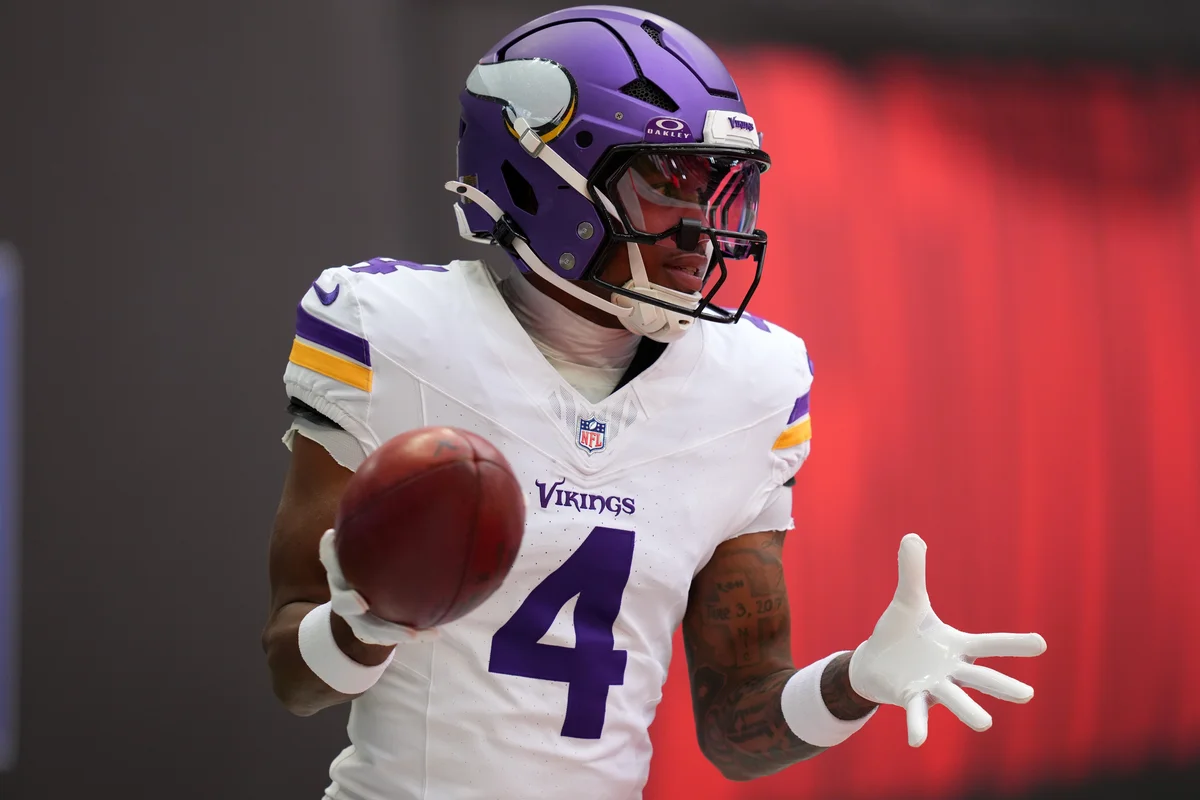
A former NFL player has publicly criticized the league’s response to mental health following the death of former wide receiver Rondale Moore, arguing that teams prioritize performance over players’ well-being. The focus on mental health support, he says, is largely performative rather than substantive.
Details Surrounding Rondale Moore’s Death and Ongoing Investigation
Rondale Moore was found deceased in a garage in New Albany, Indiana, with indications pointing to a self-inflicted gunshot wound. Authorities are still investigating the circumstances surrounding his death. Moore’s passing marks the second similar loss in less than a year, following the death of former Dallas Cowboys defensive end Marshawn Kneeland on November 6, 2025.
Breiden Fehoko Voices Criticism of NFL’s Mental Health Practices
Breiden Fehoko, a former Minnesota Vikings nose tackle, took to the social media platform X early Sunday to express deep frustration with the NFL’s handling of mental health. He pointed out a disconnect between public declarations by NFL teams and the reality experienced by players inside the organizations.
“These NFL teams come out here and post these mental health awareness posts talking about they care about players, ‘don’t be afraid to reach out’ etc.,”
Fehoko said.
“All they care about is what you bring to the table when it’s game day.”
Fehoko further explained that many players hesitate to seek help within their teams because of the stigma and changed treatment they may face from staff members.
“Most players don’t want to get help inside the building of an NFL organization because they know you’ll get looked at differently,”
Fehoko added.
“You go to a staff member tell them you’re struggling watch how different they start treating and looking at you.”
Personal Experience Calls for Deeper Cultural Change
Drawing from his own encounters with team personnel, Fehoko argued that real progress requires consistent respect and care across all levels of a team, not just symbolic gestures.
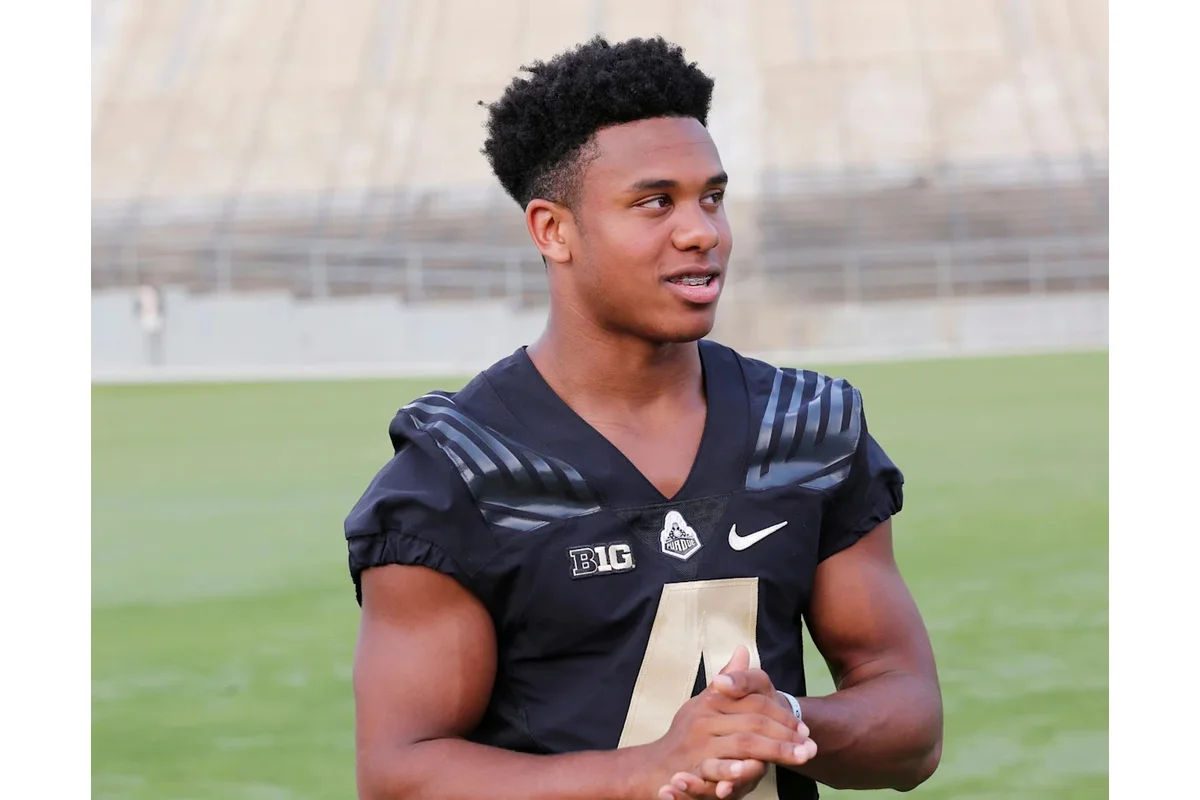
“I’ll start believing they care about player health when the owner, GM and head coach treat everyone on that roster the same, from the franchise QB to the janitor,”
he said.
“Until then don’t tell me they care because they posted some hotline number when (expletive) like this happens. I’m here for any of my brothers that just want to talk and shoot the (expletive). I love y’all. I care about y’all. I’m here for y’all.”
Rondale Moore’s NFL Career and Impact of His Passing
Selected in the second round by the Arizona Cardinals, Moore spent three seasons with the team before signing with the Minnesota Vikings in 2025. His 2025 season was cut short due to a knee injury. Moore’s death brings renewed attention to mental health challenges faced by NFL players and the urgent need for effective support systems.
The Wider Implications for Mental Health in Professional Football
This tragic event underscores ongoing concerns about the NFL’s commitment to addressing mental health beyond public relations efforts. The criticism from former players like Fehoko highlights the necessity for the league to implement genuine cultural shifts that prioritize player welfare at every organizational level. How the NFL responds moving forward could shape the future support available to players grappling with mental health struggles.
Imma keep it a stack.. I don’t care, I’m retired I’ll say what I want. These NFL teams come out here and post these mental health awareness posts talking about they care about players “don’t be afraid to reach out”etc. All they care about is what you bring to the table when it’s…
— Breiden Fehoko (@BreidenFehoko) February 22, 2026
