
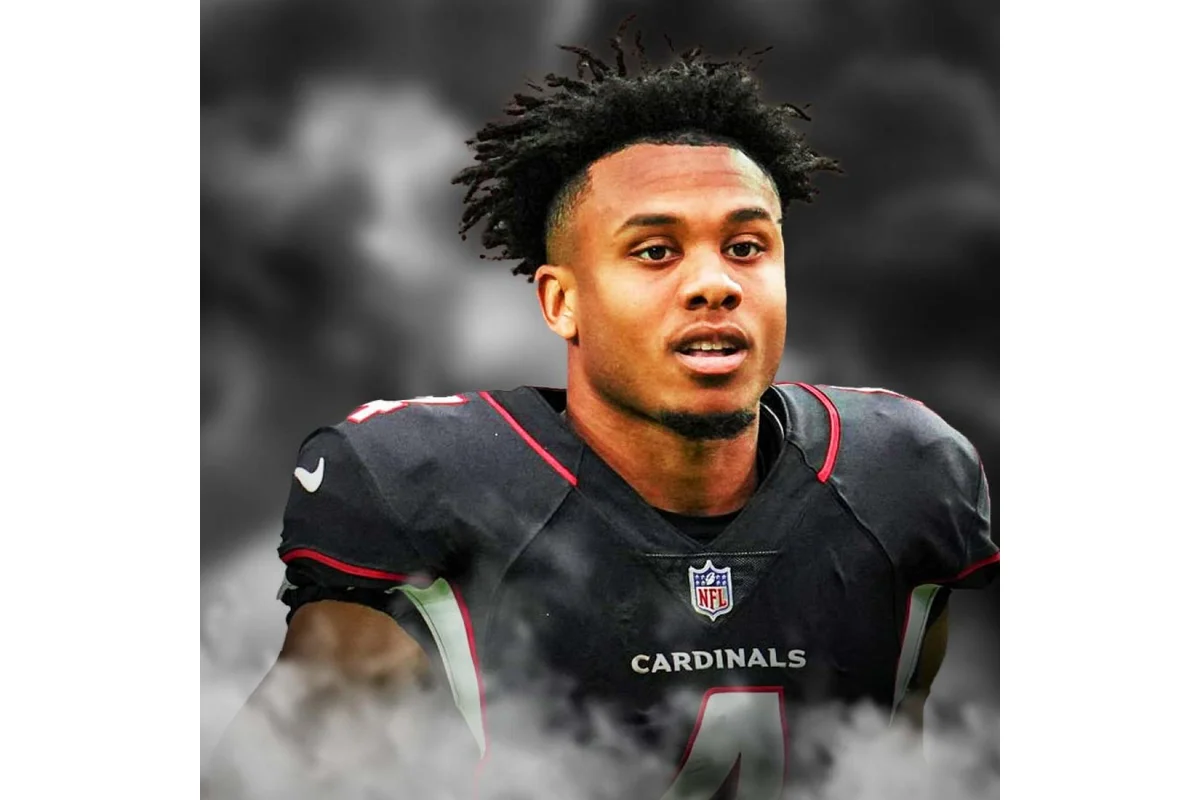
Rondale Moore, a former NFL wide receiver who played for the Cardinals, Falcons, and Vikings, died by a self-inflicted gunshot wound on February 21 in New Albany, Indiana. His passing has intensified conversations about the handling of mental health in professional football, drawing widespread attention to the pressures athletes face both on and off the field.
Moore’s body was found in the garage of his home, and news of his death prompted the Minnesota Vikings, among other teams, to release statements expressing condolences to his family and announcing the availability of mental health resources for their players. The tragic event shocked fans and players alike, exposing the ongoing challenges surrounding mental health support within the NFL.
Teams’ Responses and Player Tributes to Rondale Moore
Following Moore’s death, the three NFL teams he represented issued tributes commemorating his career and expressing sympathy to his loved ones. The Vikings emphasized their commitment to supporting players through counseling services, reflecting the urgency of addressing emotional well-being in the sport.
While we are working to understand the facts, we have spoken with Rondale’s family to offer our condolences and the full support of the Minnesota Vikings. We have also been in communication with our players, coaches, and staff, and will make counseling and emotional support resources available to anyone in need. Our thoughts are with Rondale’s family and friends during this devastating time.
the Vikings tweeted
Numerous current and former athletes openly mourned Moore, with Houston Texans star JJ Watt sharing his shock and sadness. Watt wrote,
Can’t even begin to fathom or process this. There’s just no way. Way too soon. Way too special. So much left to give.
Moore’s career began with great promise as a four-star recruit who completed three years at Purdue before being selected by the Arizona Cardinals in the second round of the 2021 draft. Across his professional years, he amassed 135 receptions for 1,201 yards and scored three touchdowns before brief stints with the Falcons and the Vikings.
Former NFL Player Criticizes League’s Approach to Mental Health
While many paid tribute to Moore’s legacy, former NFL nose tackle Breiden Fehoko directed attention toward the systemic issues underlying player mental health care. Fehoko publicly challenged the NFL’s purported support for mental wellness, arguing that teams prioritize performance over genuine player well-being.
These NFL teams come out here and post these mental health awareness posts talking about they care about players, ‘don’t be afraid to reach out, ‘ etc. All they care about is what you bring to the table when it’s game day.
Breiden Fehoko tweeted
Fehoko pointed to a culture in football that demands toughness and endurance, often at the expense of addressing psychological strain. He described how openly sharing struggles can sometimes lead to stigmatization or altered treatment from team staff, underscoring a disconnect between public messages and behind-the-scenes reality.
You go to a staff member tell em you struggling, watch how different they start treating and looking at you. I seen it first hand.. I’ll start believing they care about player health when the Owner, GM, & head coach treat everyone on that roster the same from the franchise QB to the janitor.
Breiden Fehoko wrote
Fehoko further expressed frustration with superficial mental health campaigns, insisting that real progress requires respect and equal treatment for all team members, regardless of their role.
Imma keep it a stack.. I don’t care, I’m retired I’ll say what I want. These NFL teams come out here and post these mental health awareness posts talking about they care about players “don’t be afraid to reach out”etc. All they care about is what you bring to the table when it’s…
Breiden Fehoko
At 29 years old, Fehoko retired from professional football last November following time on injured reserve, and his remarks reflect a perspective shaped by personal experience in the league’s demanding environment. During his collegiate career, he won a championship with LSU, and he remains connected to the sport through relatives like his cousin, wide receiver Simi Fehoko of the Cardinals.
The Broader Impact of Mental Health Issues in Football
The intense physicality and cultural expectations of toughness in football complicate how mental health is managed for athletes. Despite increasing public campaigns, there remains a tension between the perceived ideal of invulnerability and the reality that players face psychological challenges from injuries, stress, and personal struggles.
Moore’s death serves as a stark reminder of the mental health crisis affecting players beyond what surface-level gestures can address. The conversations sparked by Fehoko and others highlight an urgent need for systemic change within NFL organizations, including more comprehensive support structures and a culture that truly prioritizes player wellness.
As teams and fans confront the implications of this tragedy, the focus may shift toward implementing more effective mental health resources, reducing stigma around seeking help, and fostering transparent communication between athletes and staff. The football community’s response in the coming months will be vital in shaping how mental health is integrated into player care moving forward.
Imma keep it a stack.. I don’t care, I’m retired I’ll say what I want. These NFL teams come out here and post these mental health awareness posts talking about they care about players “don’t be afraid to reach out”etc. All they care about is what you bring to the table when it’s…
— Breiden Fehoko (@BreidenFehoko) February 22, 2026
Not the news you guys are waiting on. Anyway I love y’all. Thanks for the memories. pic.twitter.com/Vqt4yvzqbc
— Breiden Fehoko (@BreidenFehoko) November 21, 2025
