
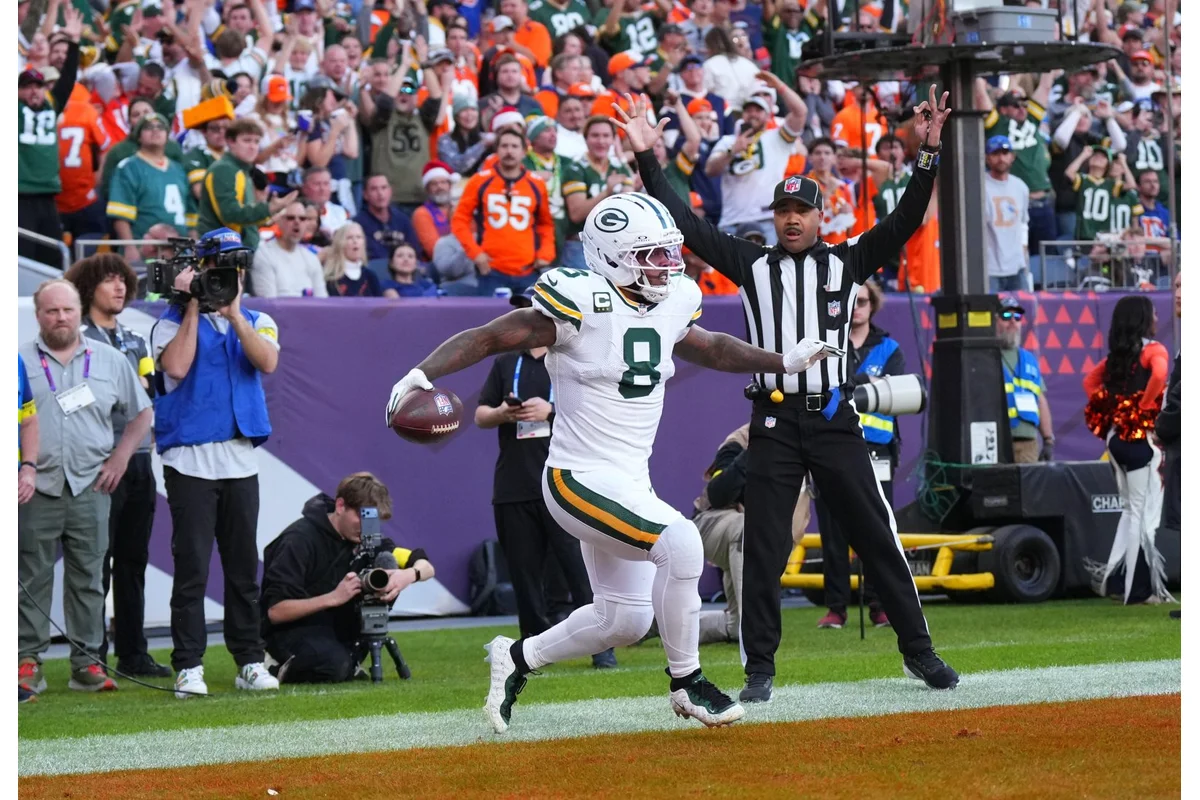
During the NFL Scouting Combine in Indianapolis on February 24, Green Bay Packers general manager Brian Gutekunst discussed the team’s future, emphasizing Josh Jacobs’ pivotal role in their 2026 strategy. After closing the previous season with a five-game losing streak and a Wild Card playoff defeat to the Chicago Bears, the Packers are focused on rebuilding and moving forward with Jacobs as a central figure.
Gutekunst, along with head coach Matt LaFleur and vice president/director of football operations Russ Ball, all secured contract extensions after the season, signaling continuity in leadership as they approach the next phase.
Gutekunst Affirms Jacobs as Integral to the Packers’ 2026 Vision
When asked about Jacobs’ status with Green Bay, Gutekunst made his stance clear. Speaking to ESPN’s Rob Demovsky, he affirmed,
“He’s a very important cog in what we’re trying to do here.”
This statement confirms the running back’s continued value despite speculation about his potential release due to salary cap considerations.
Jacobs, now 28, is entering his eighth NFL season and third with the Packers after joining from the Raiders. His 2026 contract includes a base salary of $10.2 million and a cap hit of $14.5 million. While releasing him after June 1 could free $11.4 million against the cap, it would still leave a $6.25 million dead cap charge spread over two seasons, making his retention a strategic decision.
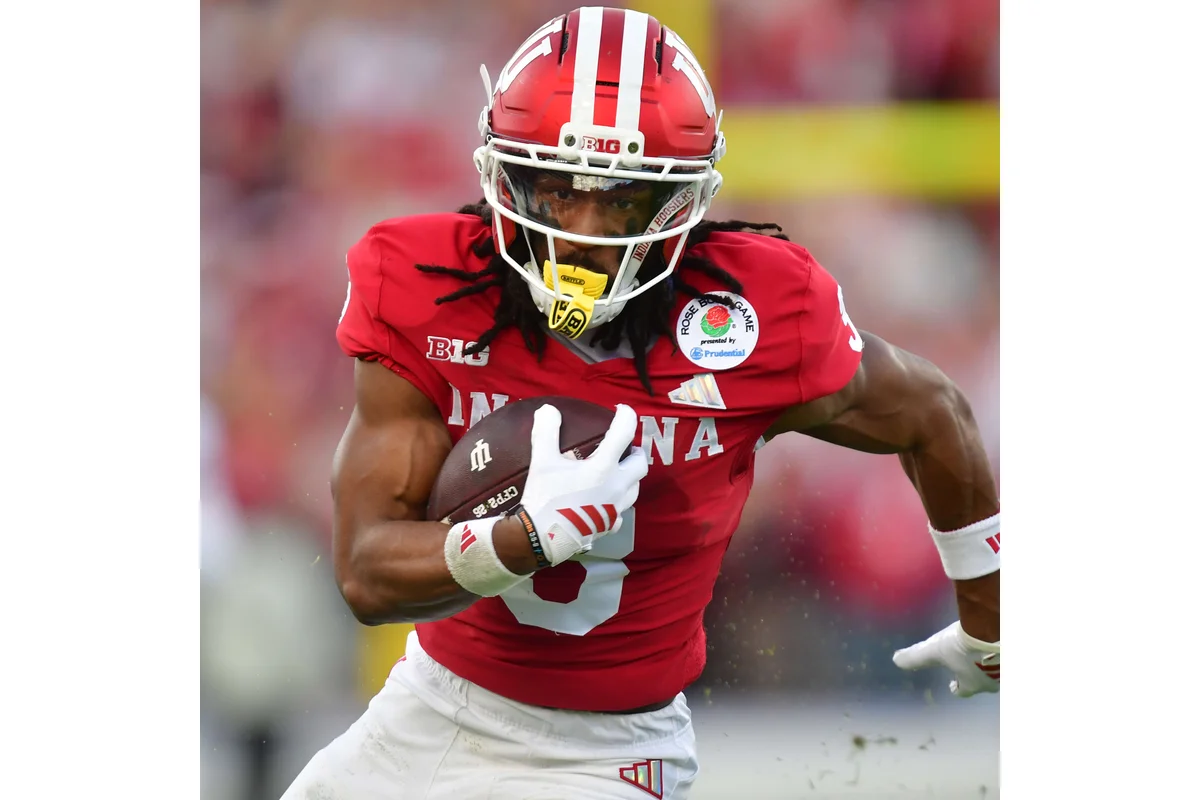
Last season, Jacobs led Green Bay in rushing with 929 yards and tallied 14 total touchdowns, though he fumbled three times. He appeared in 15 regular-season games plus the playoff matchup where he ran 19 times for 55 yards. Despite consistent yardage, experts like Peter Bukowski from The Leap have noted a shortfall in explosive plays from the run game when Jacobs is the ball carrier.
Bukowski observed,
“Packers were 9th in rushing success rate, but 21st in EPA/rush last year. That’s down from 9th in EPA/rush in 2024. Packers have been very good with Josh Jacobs getting 4-6 yards. They need more explosive runs,”
highlighting a key area for improvement within the offense.
Also rising in prominence is Emanuel Wilson, who filled in effectively during Jacobs’ absences. Wilson contributed 496 rushing yards and three touchdowns over 125 carries, providing the Packers with a valuable secondary option in the backfield.
Packers Maintain Commitment to Draft-Driven Roster Building
Gutekunst reiterated Green Bay’s focus on a draft-and-develop roster philosophy, emphasizing its importance under the current salary cap structure. As he told AtoZ Sports’ Travis May,
“We’re always going to be a little bit of a draft-and-develop team. That’s always going to be our bread and butter,”
and added,
“I think the system is set up that way with the salary cap. That’s the most advantageous way to build a football team.”
Retention of players is an ongoing challenge for the Packers due to financial constraints, but Gutekunst underlined this as a key component of their strategy. He pointed out,
“As far as the retention thing… again, I think the salary cap thing kind of limits you,”
and further noted,
“I’ve talked a lot about, I think league wide about how teams sign about one and a half from each draft class… that’s usually the guys they retain.”
Although Jacobs was not originally drafted by Green Bay, his veteran presence fits Gutekunst’s blueprint for building around a youthful core. With multiple seasons left on his contract, Jacobs appears set to remain a cornerstone of the Packers’ offense heading into the future.
Implications of Jacobs’ Role for the Packers’ Future Success
By confirming Josh Jacobs’ importance, the Packers underscore their intention to blend experienced talent with developing players. Jacobs’ combination of durability and scoring ability will likely support the team’s offensive consistency, while younger contributors like Emanuel Wilson offer depth and potential explosive playmaking.
Green Bay’s commitment to the draft-and-develop model, paired with strategic retention of key veterans, suggests they are building toward sustained competitiveness. As salary cap pressures persist, balancing contracts and on-field production will remain critical. Jacobs’ role thus not only influences immediate offensive plans but symbolizes the franchise’s approach to crafting its roster over multiple seasons.
More from Gutekunst at the combine: He said RB Josh Jacobs will “absolutely” be back this coming season.
“He’s a very important cog in what we’re trying to do here.”
— Rob Demovsky (@RobDemovsky) February 24, 2026
Packers were 9th in rushing success rate, but 21st in EPA/rush last year.
That's down from 9th in EPA/rush in 2024.
Packers have been very good with Josh Jacobs getting 4-6 yards. They need more explosive runs.
— Peter Bukowski (@Peter_Bukowski) February 9, 2026
Brian Gutekunst on the Packers roster building strategy when it comes to retention versus external signings. #NFLCombine @AtoZSportsNFL pic.twitter.com/g4MQ5WgEkj
— Travis May (@FF_TravisM) February 24, 2026
