
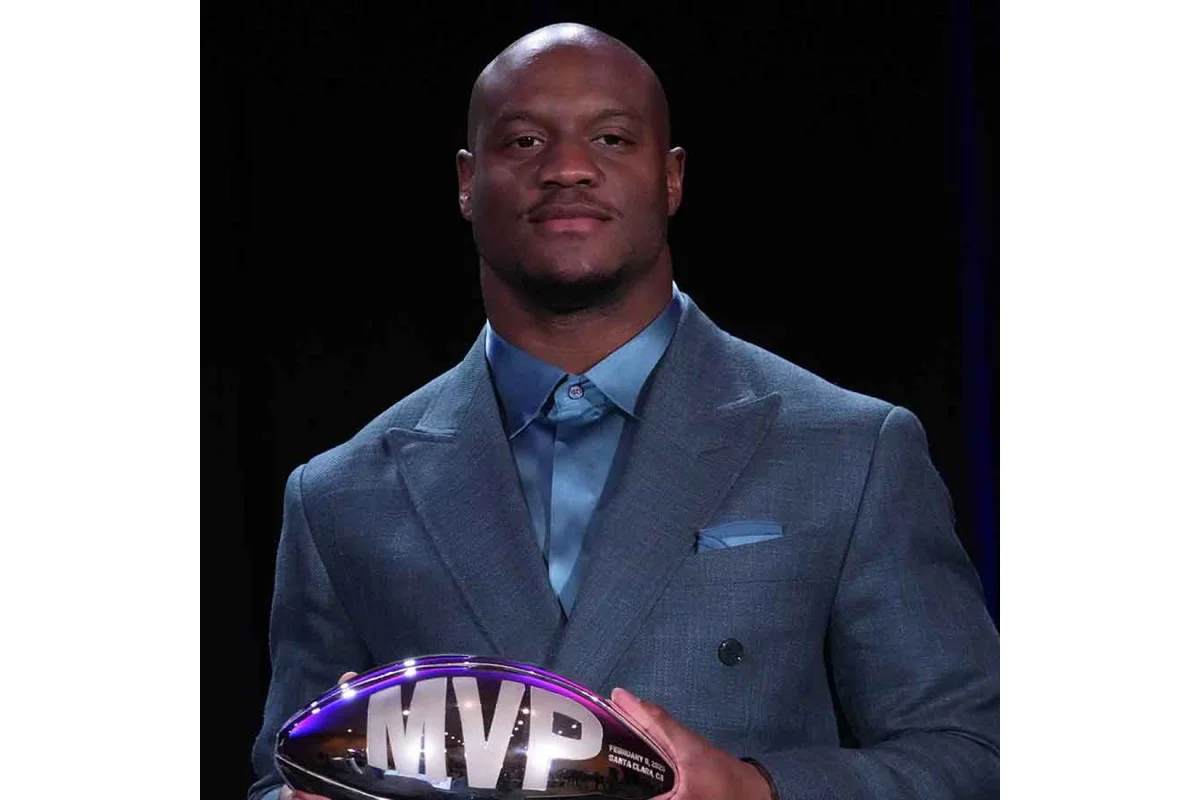
Kenneth Walker III finished the 2025 NFL season strongly, averaging 118 scrimmage yards per game over his last three contests and culminating it by earning the Super Bowl MVP title. With the Seattle Seahawks unlikely to retain him, dynasty fantasy football managers face a key decision: should they aggressively pursue Kenneth Walker III fantasy assets ahead of 2026?
Walker’s most recent performances, especially his dominant 161-yard effort on 29 touches against a stout Patriots defense, have made his fantasy value surge. This heightened demand raises the question of how sustainable he will be going forward and whether he can establish himself as a reliable cornerstone for dynasty formats.
Evaluating Walker’s Longevity and Performance Trajectory
Running backs are notoriously volatile, making Walker’s situation complex. Approaching 26 years old and with just over 1,000 career touches including playoffs, he is not yet past his prime but faces the usual professional wear and tear this position endures. Many dynasty managers opt to cycle running backs regularly because of such attrition, yet Walker’s skill development suggests he might buck that trend.
Before 2025, Walker was seen mainly as a speculative player—what if he received more opportunities, stayed healthy, and avoided forcing runs to the outside? The 2025 season answered some of these questions fairly positively. He earned positive yardage on 81% of his carries, the highest rate of his career, signaling maturation in his running style. Furthermore, his runs increasingly exceeded positional average after first contact each year, indicating a growing ability to fight for yards rather than relying solely on breakaway speed.
Such toughness and productivity provide hope that if he secures a stable role with a new team, the strong play witnessed in the postseason could continue into 2026. However, there is a counterpoint: if his next team’s offense is less efficient or tends to score less than Seattle did, his ceiling might be capped, introducing a risk element for fantasy managers.
Potential Landing Spots and Impact on Fantasy Value
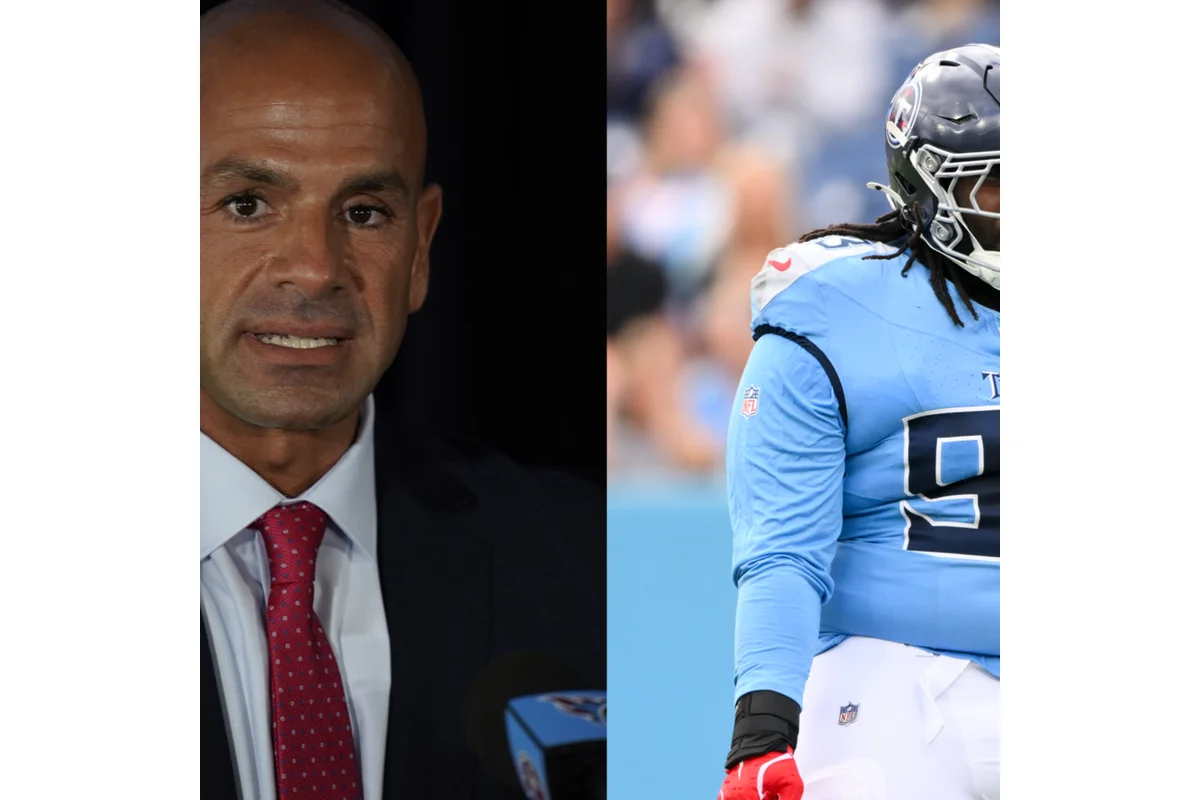
With Walker set to enter free agency, the asking price for his services is climbing rapidly, possibly deterring teams with too many uncertainties. While franchises like the Pittsburgh Steelers, Tennessee Titans, or the New York Jets (especially if Breece Hall departs) might be options, they don’t seem to be clear frontrunners compared to more stable clubs.
The Jacksonville Jaguars and Kansas City Chiefs present intriguing possibilities. If the Jaguars trade Travis Etienne, Walker could inherit a lead back role bigger than the one he held in the latter half of 2025, though rookie Bhayshul Tuten—a 2025 fourth-round pick—could challenge him similarly to how Zach Charbonnet has emerged.
Should Walker join Kansas City, his dynasty stock would rise notably, slotting him ahead of players like RJ Harvey and reaching the tier of Chase Brown. Given the Chiefs’ offensive consistency and historical usage patterns, Walker might see less committee risk and a more predictable workload, propelling him toward a low-end RB1 in dynasty leagues.
At present, Walker is best regarded as a reliable RB2 across dynasty formats, ranking just above rookies sidelined by injury such as Cam Skattebo and Quinshon Judkins, as well as productive veterans like Josh Jacobs and Derrick Henry, both nearing the twilight of their careers. His positioning will likely be clearer after the NFL Draft and once teams finalize running back depth charts ahead of fantasy league drafts.
Despite some uncertainty, fantasy managers can reasonably expect Walker to serve as a starter-level option for multiple seasons, though precise value hinges on his destination and the composition of his backfield.
The Importance of Zach Charbonnet’s Recovery for Fantasy Managers
Zach Charbonnet’s recovery from an ACL injury sustained on January 17 will significantly affect his fantasy outlook. Unlike Walker’s explosive potential, Charbonnet offers a bruising running style that fits well within Seattle’s scheme if he can return close to full strength. There is a real chance for him to carve out a featured role on the reigning Super Bowl champions if health permits.
“I find myself putting him alongside a Tyler Allgeier type, another bruising back that could find himself in a favorable spot by the time camps open for the 2026 season,”
a source noted, highlighting Charbonnet’s comparable skill set and potential opportunity.
With his 25th season approaching, modern medical advancements lessen long-term injury concerns, making this a possible opportunity for savvy managers to acquire him at a discount while the recovery remains uncertain. However, Seattle’s potential addition of a Breece Hall-type back could split work, introducing some risk that Charbonnet never fully seizes the lead role.
At worst, Charbonnet could be a flex-level asset akin to Woody Marks, Kyle Monangai, or Balke Corum, while at best, he may deliver around 90% of the fantasy production that Kyren Williams provides, but at a lower cost.
What Fantasy Managers Should Anticipate Moving Forward
For dynasty managers preparing for 2026, Kenneth Walker III presents a tantalizing option with upside tempered by team fit and market dynamics. His strong finish in 2025 and demonstrated skill improvements indicate the potential to be a fantasy starter, but uncertainties regarding his next team and role require careful evaluation.
As the NFL Draft approaches and teams finalize rosters, greater clarity will emerge about Walker’s role, alongside other running backs like Charbonnet and emerging rookies. Fantasy managers tracking these developments will be better positioned to make strategic acquisitions and roster decisions, navigating risks in this uncertain but opportunity-filled running back landscape.
