
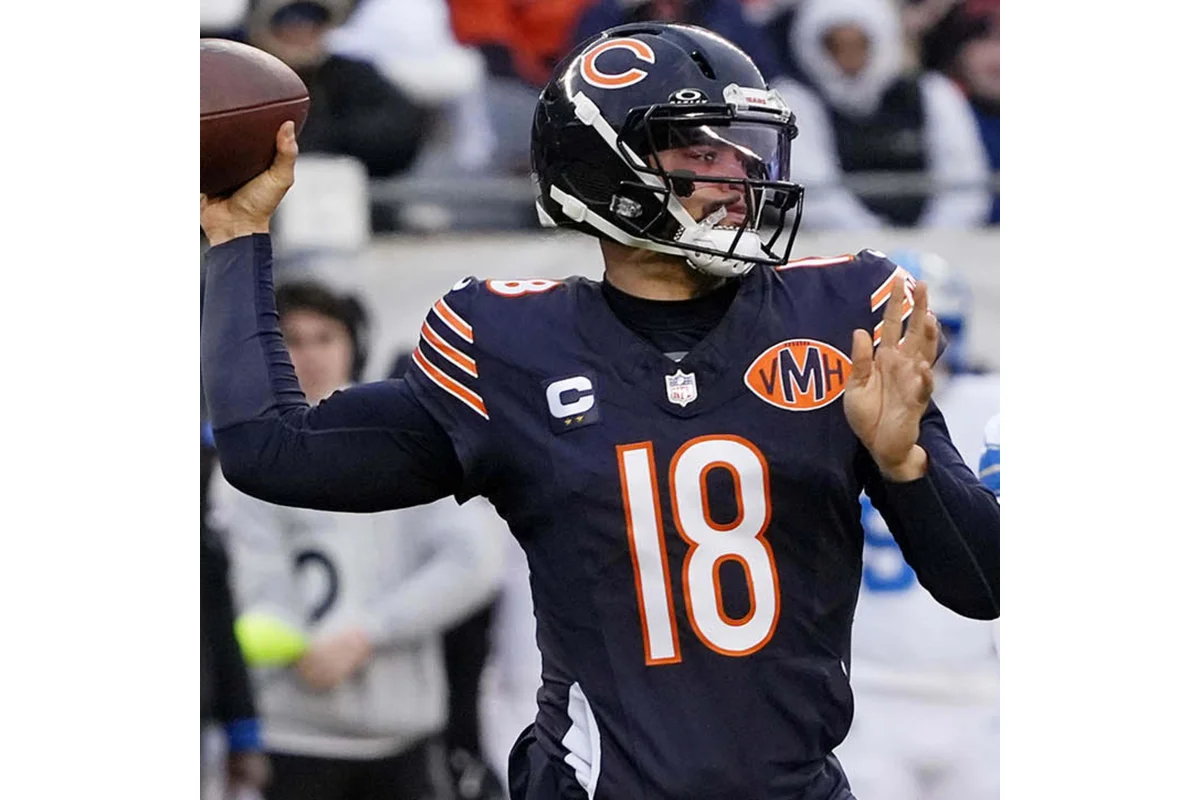
Chicago Bears general manager Ryan Poles openly described an NFL policy that awards draft picks to teams promoting minority hires as “strange.” Poles, who joined the Bears from the Kansas City Chiefs in 2022, highlighted his unease with the rule during the NFL Scouting Combine this week, focusing on the perceived inconsistencies of the system.
The policy grants compensatory draft picks to teams losing minority executives or coaches to bigger roles elsewhere. In Poles’ case, the Chiefs received two third-round compensatory picks after he took the GM position in Chicago, despite Poles personally feeling the Bears—his new team—should be the beneficiaries.
Details on How the Chiefs Benefited from Poles’ Move
Poles pointed out the confusion regarding the Chiefs receiving valuable assets when he was hired by the Bears.
“I saw the Chiefs get a pick because of me and then I watch that player go and play, it’s just a little odd,”
he commented. The Chiefs used one of the picks to draft linebacker Leo Chenal and traded the other to acquire wide receiver Kadarius Toney, both key players for Kansas City’s roster.
Poles emphasized that while he personally finds the rule unusual, he acknowledged that the NFL likely designed it to incentivize teams to foster diversity in staffing. He stressed the belief that staffing decisions should be based on qualities beyond race or ethnicity, saying,
“At the end of the day you should want to develop your staff regardless of the color of their skin.”
Chicago Bears’ Current Situation with Ian Cunningham and Matt Ryan
The Bears could once again be affected by this policy after Ian Cunningham, a Black executive, left Chicago to become the general manager of the Atlanta Falcons during the offseason. However, the Bears will not receive compensatory draft picks because the NFL recognizes Matt Ryan, the Falcons’ President of Football, as the team’s primary executive, which complicates the rules in this case.
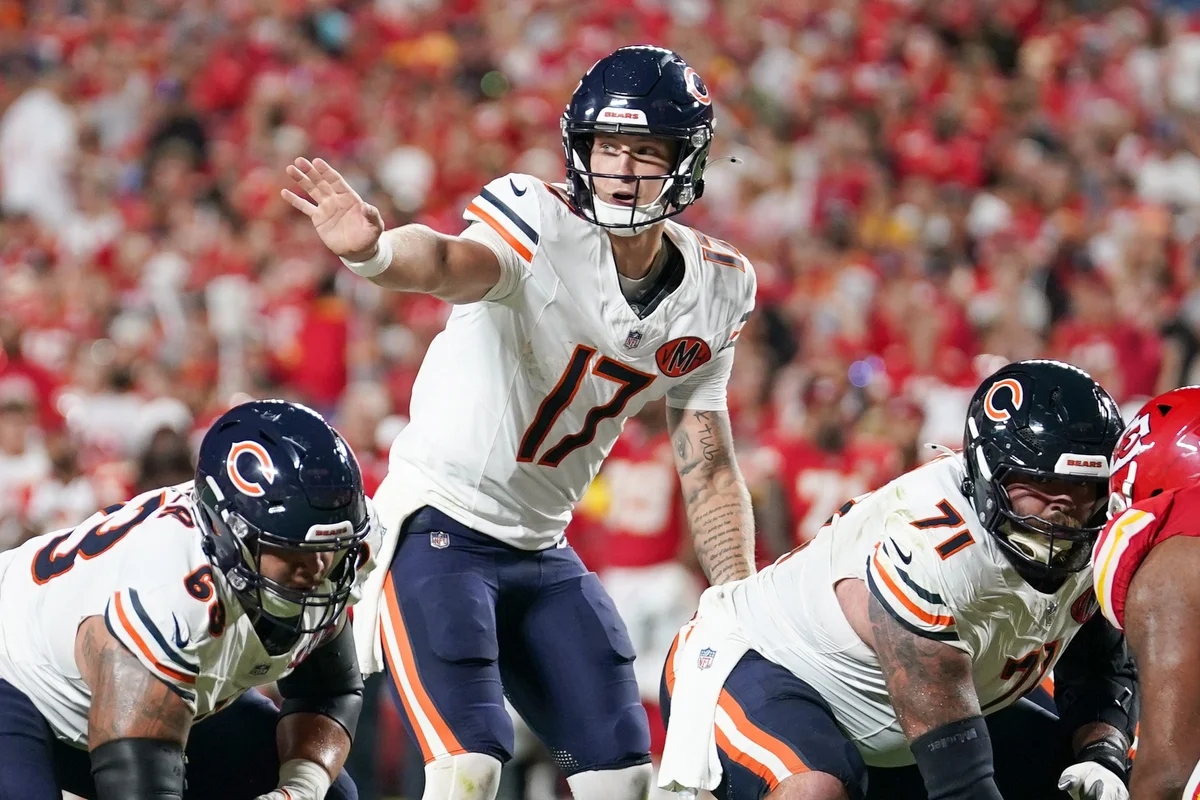
Poles expressed hope that the league will reconsider its stance on Ryan’s and Cunningham’s roles, potentially making Chicago eligible for compensation.
“At the end of the day, that’s not the purpose of why we develop our staff, but if that’s the rule they have in place, then I think it’s very clear in this situation what should happen,”
Poles stated, adding,
“But we’ll see what they think.”
Implications and Prospects for the Bears Regarding NFL Diversity Policy
The Bears now find themselves at the center of this diversity policy discussion following recent executive changes. While the team holds its first-round draft pick for 2026 at 25th overall, the lack of compensatory picks under this rule may impact their ability to add additional early-round talent through this channel. Poles’ comments reveal ongoing tension and questions regarding how the NFL incentivizes diversity in coaching and front-office roles.
As the league and its teams navigate these evolving dynamics, the Bears and other organizations will likely continue to push for clarity and fairness in how such diversity policies are implemented and how rewards are distributed among teams.
