
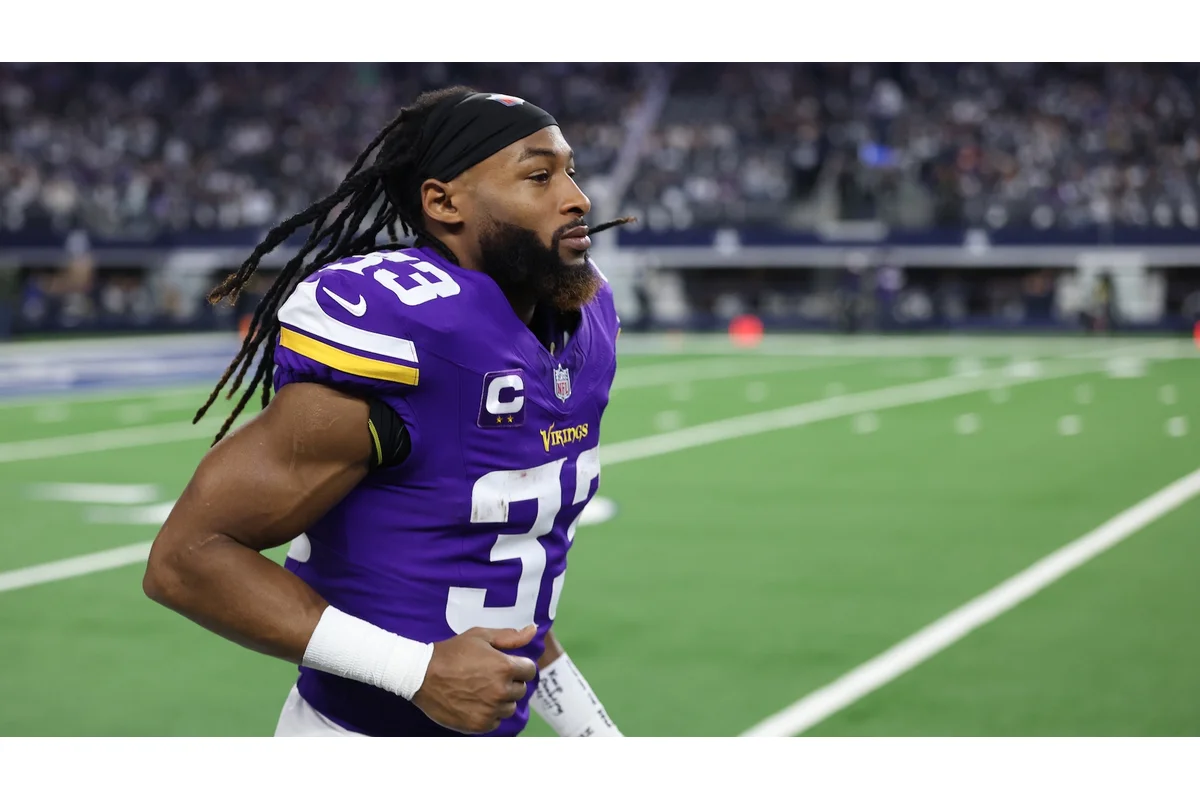
The Minnesota Vikings confront a crucial salary cap challenge this offseason involving veteran running back Aaron Jones, whose cap hit will balloon in 2026. ESPN raised the possibility that the Vikings might consider acquiring another back via trade, highlighting Miami Dolphins running back De’Von Achane as a potential replacement candidate.
ESPN analysts Dan Graziano and Ben Solak listed Achane among the league’s top trade prospects but noted that Miami is unlikely to part with him. Still, the Vikings appeared on a shortlist of teams that might fit well as trading partners for Achane, alongside the Kansas City Chiefs and Houston Texans.
“The league seems to believe the Dolphins are in a full rebuild, which means they’re getting calls on all of their star players,”
Graziano observed.
“My sense is that they’re far more likely to extend Achane’s contract than to listen to those trade offers, but in their situation, you answer the phone when it rings.”
Graziano also emphasized the difficulty of a trade happening, stating,
“So, call any Achane trade a significant long shot that would take an awfully enticing package to get done.”
De’Von Achane’s Appeal as a Potential Running Back Upgrade
Ben Solak illustrated why teams like the Vikings might pursue Achane as a running back solution. At 25 years old, Achane made his first Pro Bowl in 2025 by rushing for 1,350 yards and scoring eight touchdowns, while averaging 5.7 yards per carry — the highest in the NFL. His dual-threat capability was further demonstrated by his 67 receptions for 488 yards and four receiving touchdowns, totaling 1,838 yards from scrimmage, which ranked sixth across the league.
Achane remains under contract for the 2026 season at a reasonable cap figure near $5.9 million, with unrestricted free agency looming in 2027. His combination of youth, talent, and affordable contract makes him an attractive option for a team looking to upgrade its backfield without a long-term commitment.
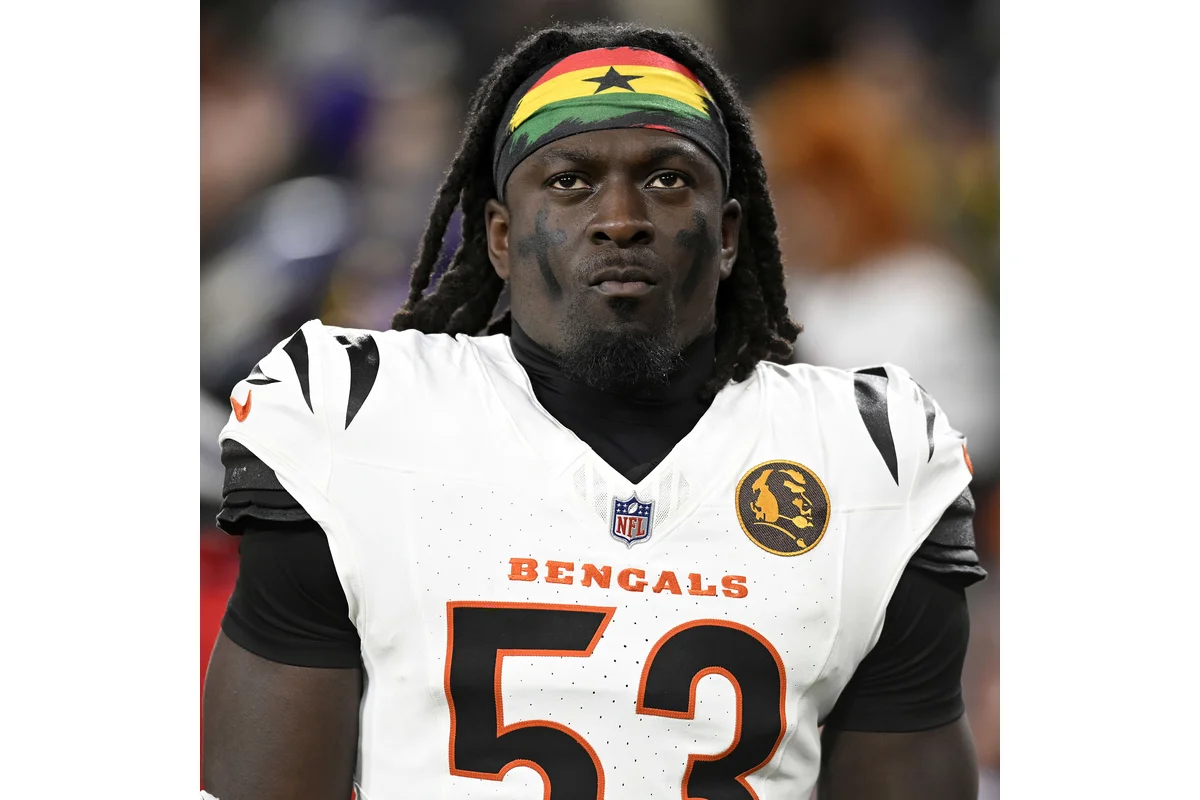
This makes Achane a plausible target should the Vikings decide to move on from Jones, whose 2026 cap charge is projected at $14.55 million. Cutting Jones could reduce Minnesota’s cap obligations by about $7.75 million next year, a significant savings that could free up space for other roster moves.
Examining the Vikings’ Dilemma Over Aaron Jones’ Future
Aaron Jones’ upcoming cap hit places him among the highest-paid running backs in the league, surpassed only by Alvin Kamara and Jonathan Taylor. At 31 years of age, Jones finds himself at a crossroads, both financially and performance-wise. He posted a career-low average of 4.2 yards per rush in 2025 and managed just 747 scrimmage yards, his lowest output since 2017.
However, only a season prior, Jones had a strong campaign with over 1,100 rushing yards and 1,500 total yards from scrimmage. Injuries, including a hamstring strain that sidelined him for five games in 2025, likely contributed to his dip in production.
If he remains healthy, a rebound season in 2026 is possible, which complicates Minnesota’s decision-making related to his contract and role. Although Achane’s talents could represent an upgrade, bringing him in would erode much of the potential salary cap relief from moving on from Jones, especially considering that draft picks would likely be required in a trade with Miami.
The combination of minimal cap savings and necessary compensation makes a direct swap far from guaranteed. Furthermore, Achane’s availability is uncertain, making this issue a complicated and tense one for the Vikings heading into the offseason.
What the Vikings’ Decision Could Mean Moving Forward
The Vikings must balance financial prudence against on-field competitiveness as they decide whether to keep Aaron Jones or pursue alternatives like De’Von Achane. Their choices will significantly influence the team’s roster structure, salary cap flexibility, and ability to remain competitive in a challenging NFC landscape.
Given the complexities, Minnesota’s front office faces pressure to weigh the risk of losing a veteran back familiar with the team against the uncertainty and potential cost of trading for a younger but unproven option. The decisions made this offseason will reverberate into the 2026 campaign and beyond, affecting the Vikings’ running back situation for years to come.
The Dolphins see De’Von Achane and Jaylen Waddle as important parts of their franchise
They’ll listen to offers for both players (as they would for any player) but the plan is for Achane and Waddle to remain in Miami, per Jon-Eric Sullivan
Miami not actively shopping either…
— Marcel Louis-Jacques (@Marcel_LJ) February 24, 2026
