
During a detailed press conference on Tuesday, Cleveland Browns’ general manager Andrew Berry tackled various team issues, including the ongoing concerns surrounding quarterback Deshaun Watson. Watson’s complicated contract situation continues to loom over the Browns’ future as the team navigates roster and salary cap challenges ahead of the 2026 season.
Despite fan frustration over Watson’s tenure, Berry declined to rule out any possibilities for Watson’s return in 2026 after his recovery from two Achilles tendon ruptures. The Browns are effectively locked into keeping Watson on the roster through March 2027 due to the fully guaranteed terms of his contract, presenting a difficult financial and roster management scenario for the organization.
Watson’s Contract Carries Significant Financial Burden for Browns
Watson’s contract has earned a reputation as one of the most burdensome deals in NFL history, largely because of its structure and prior contract restructures. The Browns face dead-cap penalties in 2024 and 2025 that make cutting Watson financially prohibitive this offseason. A trade is not feasible due to Watson’s no-trade clause, further limiting Cleveland’s options.
In 2026, Watson is projected to have a cap hit of $80.7 million while receiving $46 million in cash, a figure that would consume nearly 26 percent of the Browns’ total salary cap and be the highest cap charge among all NFL players by a wide margin. This enormous cap commitment forces Cleveland to seriously consider restructuring the contract once again to gain financial relief.

Potential Third Restructure Mirrors Chiefs’ Recent Move with Mahomes
The Browns’ most viable strategy to reduce Watson’s cap impact is to restructure his contract for a third consecutive year. While far from ideal, this approach could free up between $35 million and $40 million in immediate cap space and facilitate a post-June 1 release option in 2027. Since the addition of void years in late 2024, this has been the Browns’ intended course of action to manage the dead-cap effects on their roster.
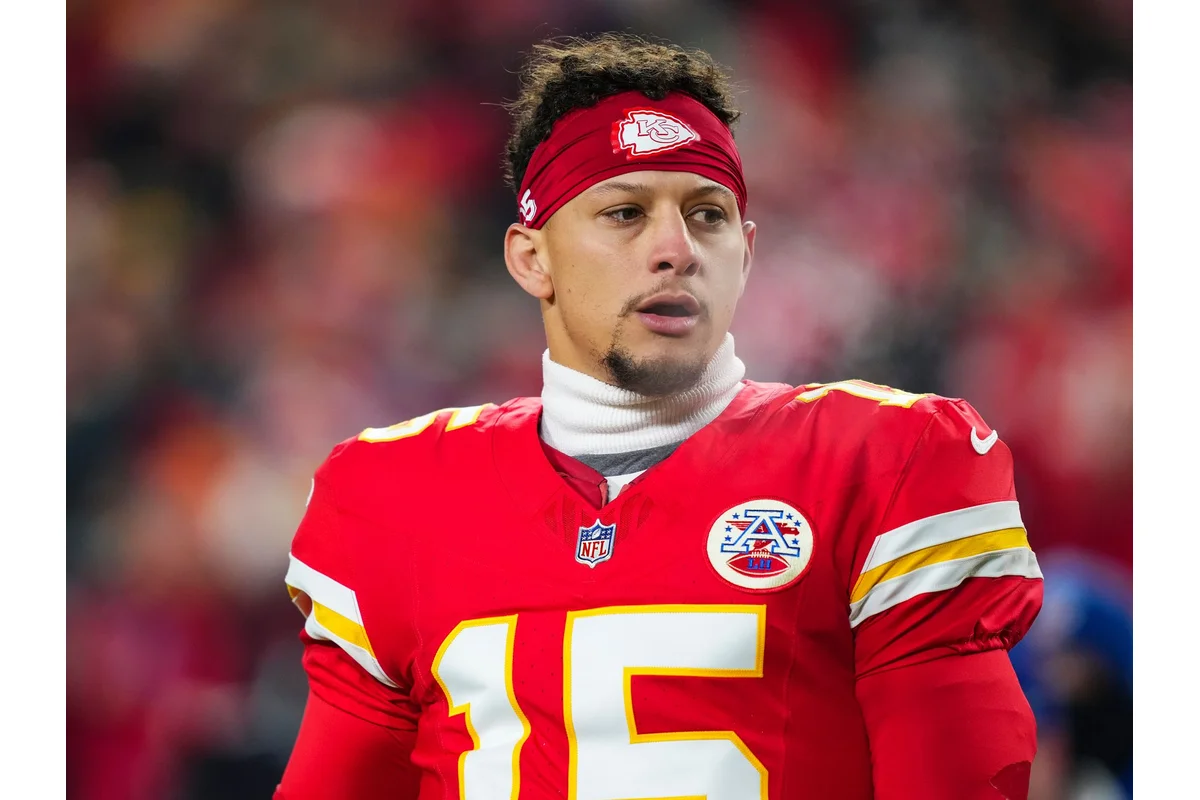
A recent precedent comes from the Kansas City Chiefs, who last week restructured quarterback Patrick Mahomes’ contract. Mahomes’ cap hit was set at $78.2 million before the adjustment, and the restructure generated $43.5 million of cap space in 2026, stabilizing their salary cap footing.
Andrew Berry’s Reserved Comments Highlight Contract Uncertainty
The Browns’ impending decision to restructure Watson seems inevitable, especially after ESPN’s Adam Schefter confirmed Watson’s place on the roster through 2026. However, Berry remained noncommittal when questioned about the contract’s future and its similarity to the Chiefs’ recent Mahomes restructuring.
“Berry said he’d categorize the team’s salary-cap situation as ‘good,’ though he didn’t provide an answer when asked if Cleveland will restructure Watson’s contract. That move seems a given, as it would open around $40 million in 2026 cap space. The Browns simply can’t afford to have Watson stay at his current cap number of $80.7 million.” – Zac Jackson, The Athletic
The Browns general manager was open about updates on other key players such as Dawand Jones, Jeremiah Owusu-Koramoah, Joel Bitonio, and David Njoku, but remained guarded on specifics regarding Watson. This contrasts with the clear financial necessity for reworking Watson’s contract to keep the team’s salary cap manageable.
Browns’ Limited Ways to Move Forward Beyond 2026
The only realistic path for the Browns to fully part ways with Watson in 2026 would be to designate him for release after June 1, which would reduce the immediate dead-cap impact. However, releasing Watson outright before that date would carry an accelerated dead-cap charge of approximately $131.1 million, an astronomical financial penalty according to Spotrac.
Cleveland would only receive two such post-June 1 designations per league year, a resource they might prefer to use on other players such as David Njoku or Wyatt Teller. Alternatively, the Browns could hold onto Watson’s contract through the 2026 season and release him afterward, but that scenario requires absorbing the $80.7 million cap hit for the current year plus around $50.4 million in 2027, which compromises the team’s salary flexibility and competitiveness.
Implications for Browns’ Roster and Future Competitiveness
While restructuring Watson’s contract once again is not a favorable move, it is likely necessary to maintain the Browns’ competitive window in the near term. The team faces a tough balancing act between managing cap space and attempting to field a viable roster. The precedent set by the Chiefs’ handling of Mahomes’ deal adds pressure to follow a similar path, making the Browns’ decision almost unavoidable.
As free agency approaches, Browns fans should prepare for continued cautious messaging from Andrew Berry and the organization surrounding Watson. The team’s public stance may remain measured due to the unavoidable financial and roster realities, but Watson’s impact on the Browns’ cap and roster construction will remain a defining issue through 2026 and beyond.
