
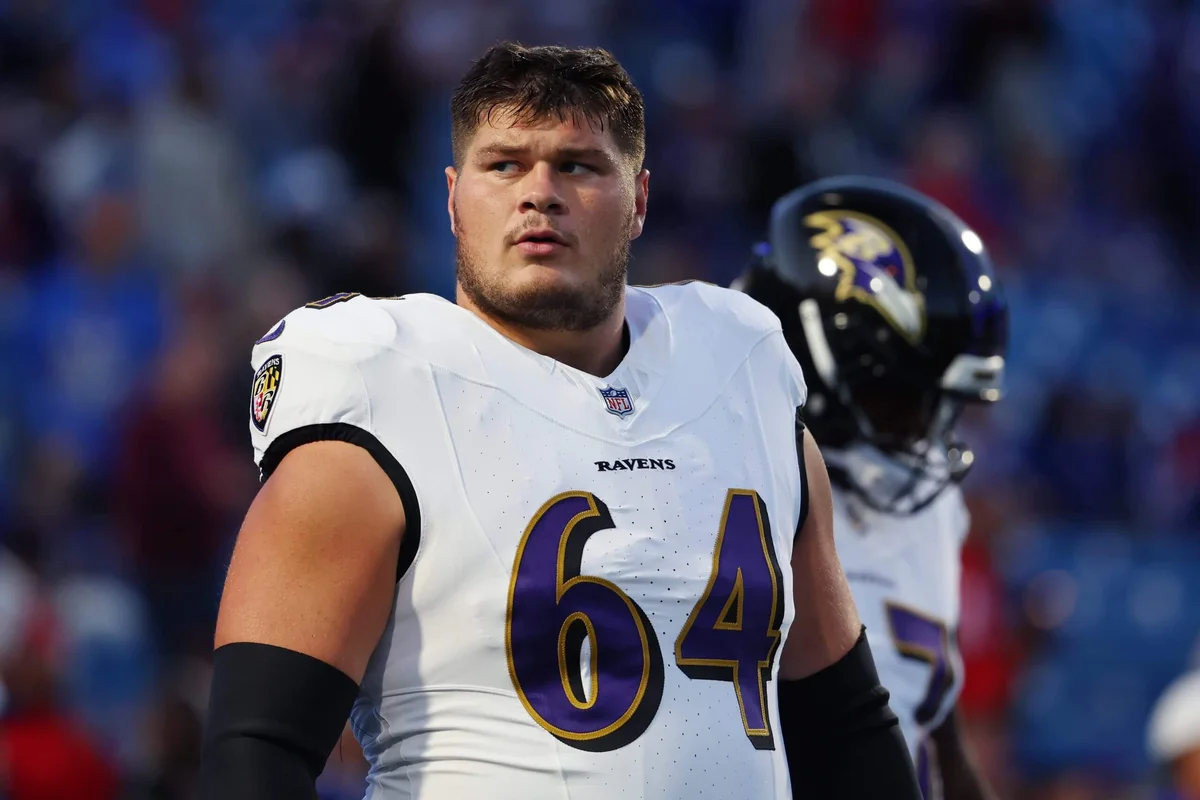
The Baltimore Ravens face a growing urgency to secure Tyler Linderbaum’s retention as the team plans for its upcoming seasons. Linderbaum’s role as a pivotal offensive lineman makes his continued presence essential for maintaining the team’s competitive edge and protecting its quarterback. The demand to retain him stems from his demonstrated skill and potential impact on the Ravens’ future success.
Challenges and Team Dynamics Influencing Retention Efforts
Within the Ravens organization, various internal dynamics and external pressures complicate the effort to keep Tyler Linderbaum on the roster. Concerns about contract negotiations, salary cap constraints, and the overall strategy for team building create tension around reaching an agreement. These challenges are heightened by the presence of other key personnel decisions involving veterans and rising players. Keeping Linderbaum aligns with the team’s need to stabilize its offensive line amid these uncertainties.
Broader Baltimore Sports Environment and Its Impact
The Ravens’ situation echoes other recent developments in Baltimore’s sports and civic landscape, where leadership and administration transitions have created a climate of unease. For example, Baltimore County Superintendent Myriam Rogers is stepping down, and controversial decisions related to school transfers have sparked parental clashes, indicating a period of instability in local institutions. Similarly, political figures and watchdog reports have highlighted governance concerns, reflecting an overarching environment where decisive, stable leadership is critical.
Why Retaining Key Players Like Linderbaum Matters for the Ravens’ Trajectory
Retaining Tyler Linderbaum is more than a roster decision—it is a signal of the Ravens’ commitment to building a resilient team foundation. His skills not only protect the quarterback but also support the offensive strategy’s effectiveness. Failure to secure his retention could disrupt team cohesion and performance, putting pressure on the Ravens during future competitive matchups. The team’s ability to navigate these delicate contract negotiations will likely influence its prospects in the coming seasons.
