
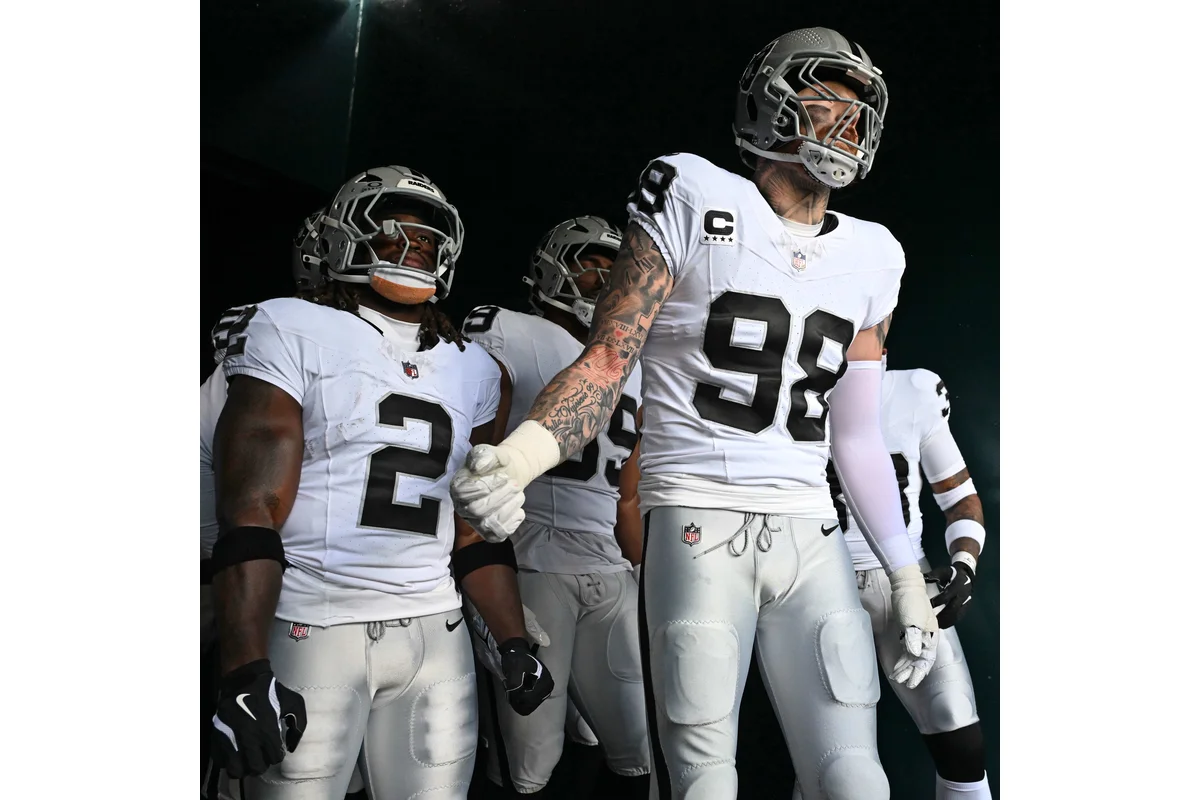
One of the most significant transactions that could occur during the 2026 NFL offseason involves the Maxx Crosby trade. Crosby, who has expressed clear dissatisfaction with the Raiders due to the team’s continued losses, has become a hot topic in trade discussions. The Chicago Bears seem like a natural destination since they are currently in a win-now mode and have glaring needs on their defensive line, specifically in stopping the run and improving their pass rush. Adding a player of Crosby’s caliber would immediately strengthen their defense.
Why the Bears Might Face Consequences from Pursuing Crosby
Despite the initial appeal, acquiring Maxx Crosby could seriously damage the Bears’ long-term prospects. First, the trade price for Crosby may require giving up two first-round draft picks, which could cripple the team’s ability to build through the NFL Draft — a key strategy for sustainable success in the league. The loss of such premium draft assets would limit the front office’s capacity to add elite young talent to the roster in the coming years.
Furthermore, Chicago’s salary cap situation presents additional challenges. The Bears are currently $6.5 million over the salary cap, a concerning issue given they rely on a quarterback under a rookie contract, which typically helps maintain financial flexibility. To accommodate Crosby’s contract, the Bears would need to make extra roster moves just to free up space, leaving them with limited ability to address other important positions and creating an unbalanced, top-heavy defense.
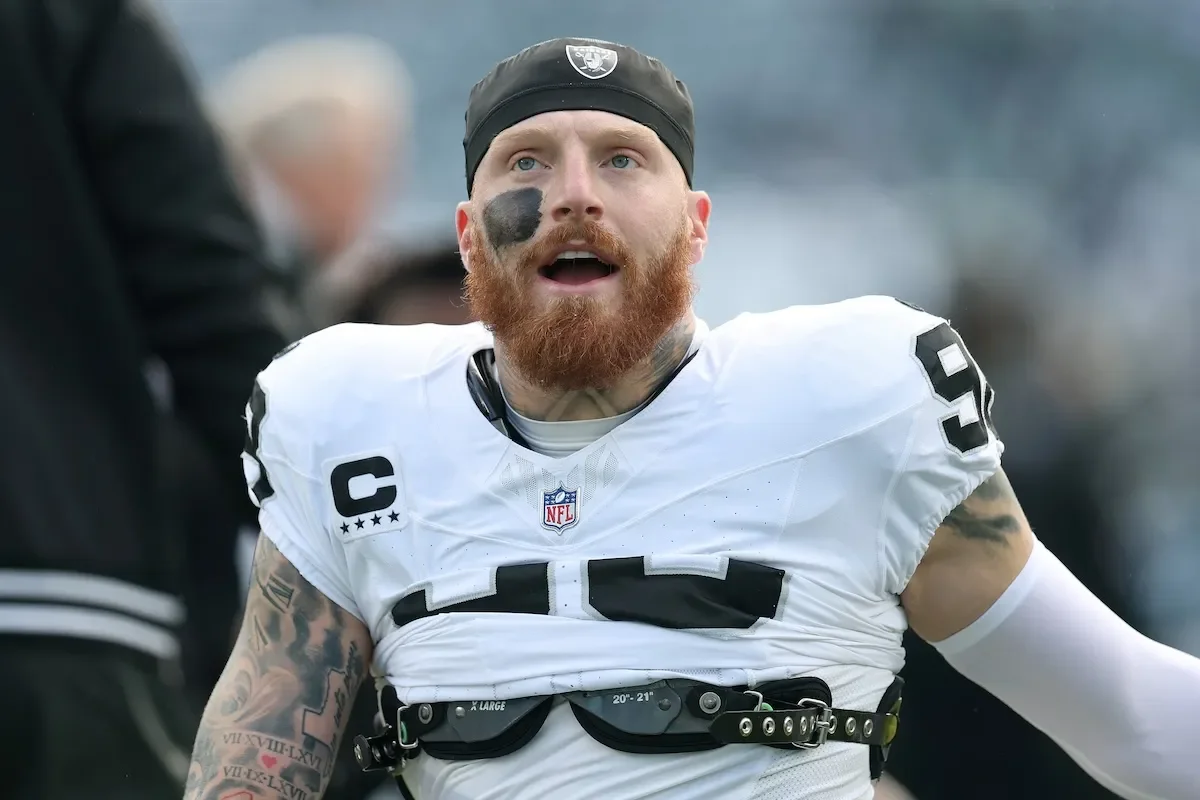
Restrictions Imposed by Free Agent Departures and Salary Cap Limitations
An examination of Chicago’s defensive free agents reveals even greater hurdles. Key players such as C.J. Gardner-Johnson, Kevin Byard, Jaquan Brisker, Andrew Billings, and Nahshon Wright are all set to hit free agency. Even without acquiring Crosby, the Bears were unlikely to retain all of these contributors. However, pushing through with a costly trade would force the front office to let go of most of these players to accommodate salary demands. This would weaken overall team depth and cohesion.
This situation might look very different if the Bears had substantially more cap space — around $40 million — and an extra first- or second-round pick to manage these transactions smoothly. Without those resources, such a trade becomes risky and potentially harmful.
Balancing Immediate Gains Against Long-Term Stability
Although adding Crosby aligns with Chicago’s current drive to compete right away and fills a clear defensive role, the Bears’ financial and draft asset constraints mean they may not be equipped to execute this trade effectively. A more prudent strategy could involve securing moderate cap relief to re-sign key in-house free agents and distributing salary investments more evenly across the defensive roster. This approach would help avoid creating a defense overly reliant on a few high-priced players and preserve flexibility for future team-building efforts.
