
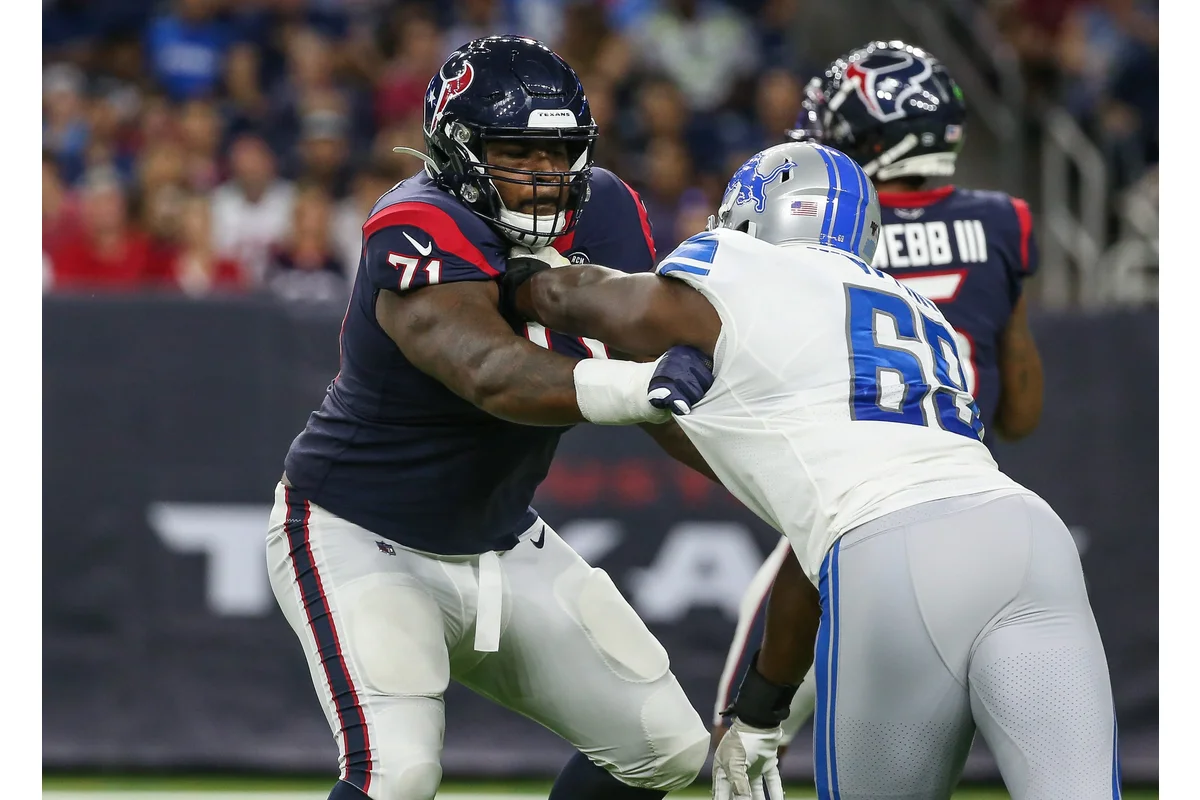
In early March 2026, the Cleveland Browns made a surprising decision by trading a fifth-round draft pick to acquire right tackle Tytus Howard from the Houston Texans. While NFL teams often exchange aging veterans for draft picks as the new league year approaches, it’s unusual for a rebuilding team like the Browns to trade away draft capital for a veteran entering his 30th season. This move, involving the primary focus keyword Tytus Howard Browns trade, stirred debate among fans and analysts about Cleveland’s strategy under first-year head coach Todd Monken.
The Texans, who viewed Howard as expendable, saw the trade as an opportunity to save roughly $4.2 million against the salary cap and gain draft value in return. For the Browns, however, the decision contrasts with the traditional approach of selling veteran players to build through draft assets during a rebuild.
Financial Constraints and Team Dynamics Driving the Deal
The Browns’ salary cap situation has been a key factor influencing their offseason moves. CBS Sports insider Jonathan Jones highlighted Cleveland’s limited cap flexibility and its struggles as a less attractive destination for free agents. Jones explained that the Browns
“don’t have that much cap space”
and noted that the team is “not really a garden spot” that free agents eagerly choose. He elaborated that Cleveland had to find a trade partner willing to move a player under contract, which matched Houston’s desire to offload Howard’s contract.
“When you’re the Cleveland Browns, you don’t have that much cap space, right? We’ve been talking about that for so long. You’re also, as the Cleveland Browns, not really a garden spot. You’re not a destination. So how many free agents, once we get to unrestricted free agency next week, are going to choose the Cleveland Browns to go to? That is why they needed to trade. They needed to find a trade partner who had an offensive lineman that maybe they wanted to get out from under with the contract. Well, enter the Houston Texans.” – Jonathan Jones, CBS Sports insider
Analyzing Andrew Berry’s Recent Decisions and the Offensive Line Crisis
While Monday’s trade for Howard drew criticism, Browns General Manager Andrew Berry faces more scrutiny for the previous offseason’s draft strategy. In 2025, Berry allocated four draft picks to running backs and quarterbacks but did not select any offensive linemen, a move that left the Browns vulnerable up front.
The current offensive line features aging veterans like Joel Bitonio, Wyatt Teller, Ethan Pocic, and Jack Conklin, with limited young talent or depth behind them. There is a real possibility that some of these starters will no longer be with the team or may retire before the 2026 season starts. This creates an urgent need for reinforcements in the trenches, especially given Todd Monken’s offense, which emphasizes a strong running game.
Compounding the situation, the Browns entered the week with under $1 million in salary cap space against a $301.5 million league limit. Top players Deshaun Watson, Myles Garrett, and Denzel Ward have lucrative contracts that consume almost $100 million, restricting Cleveland’s ability to add players through traditional free agency and forcing the team to be shrewd in the trade market.
Trade Details Reflect a Calculated but Risky Approach
By trading one of their three fifth-round selections—each within the top 150 picks—the Browns secured Howard as a short-term solution to a significant roster gap. According to data from Spotrac, Howard’s salary in 2026 is expected to be around $18 million, placing him among the top 25 highest-paid tackles in the NFL. His two-year, $45 million extension, set to begin in 2027, would elevate his pay into the upper tier of the position.
Team owner Dee Haslam’s willingness to invest heavily in player contracts over recent years may provide the financial backing needed to juggle these expenses. Berry’s ability to restructure existing deals is crucial in managing the constrained salary cap, illustrating that the Browns are doing their best to maximize their roster within their financial limits.
This trade signals Cleveland’s commitment to bringing in the best possible players ahead of the draft, even if it means making moves that appear at odds with a typical rebuilding strategy.
Implications for the Browns’ Future and Offseason Outlook
Cleveland’s acquisition of Tytus Howard underscores the challenges they face balancing rebuilding with immediate needs. The trade offers a stopgap solution but leaves open questions about whether it addresses the fundamental weaknesses on the offensive line long-term. Fans and analysts may continue to scrutinize Andrew Berry’s roster management and draft approach as the team moves forward under Coach Monken.
As free agency unfolds, the Browns’ limited cap space is likely to restrict high-profile signings, making smart trades and draft choices essential. How the front office manages these competing priorities could determine the team’s prospects in 2026 and beyond.
Why the Cleveland Browns made the move to get Tytus Howard in a trade before the start of free agency pic.twitter.com/fJ5pKKpphn
— Jonathan Jones (@jjones9) March 2, 2026
