
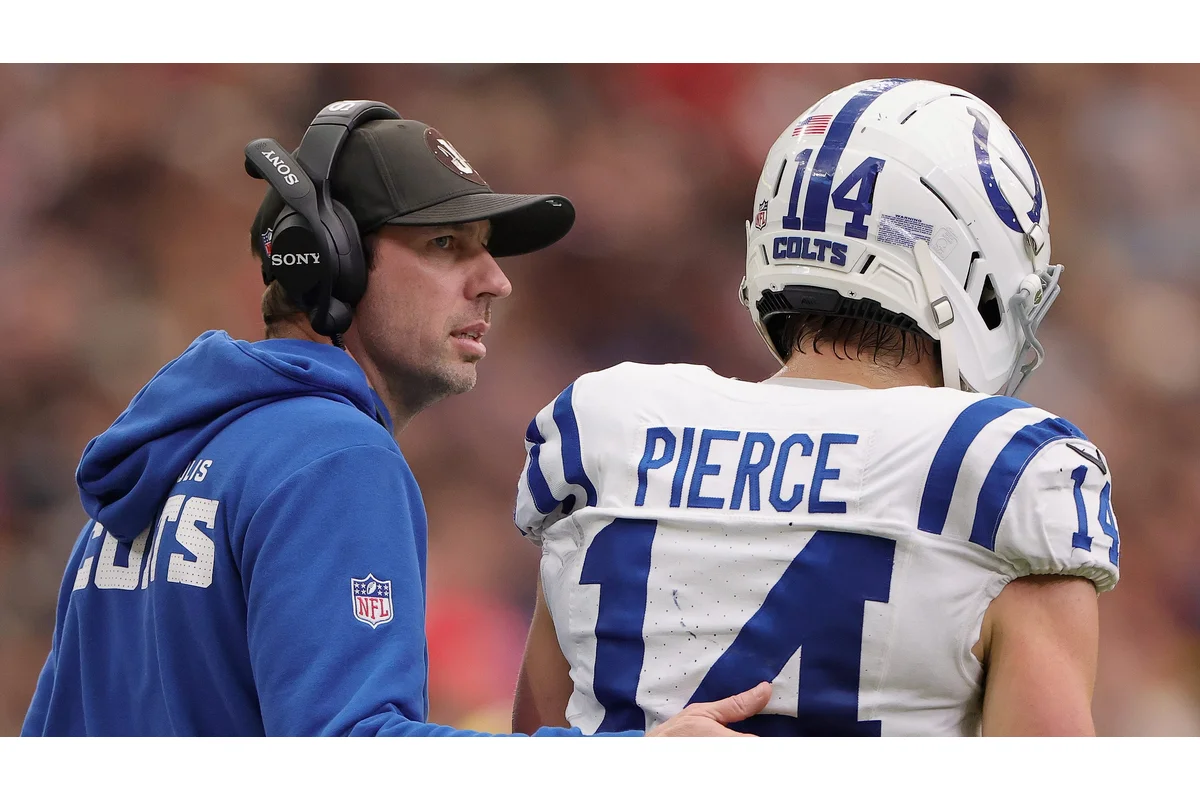
The Indianapolis Colts made a pivotal move just before Tuesday’s 4 p.m. deadline by placing the transition tag on quarterback Daniel Jones, who was poised to become an unrestricted free agent along with wide receiver Alec Pierce next week. This strategic decision means that while the Colts continue negotiations for multi-year contracts with both players, Alec Pierce remains eligible for free agency negotiations starting March 9.
Throughout the past month, there was widespread expectation that the Colts would use their franchise or transition tag on Pierce, given his rising value and anticipated interest across the league. However, the organization’s choice to apply the rare transition tag on Jones signals a calculated approach that could influence Pierce’s willingness to re-sign with Indianapolis.
Tagging Jones Could Encourage Pierce to Stay with Colts
According to ESPN’s Jeremy Fowler, the Colts believe tagging Jones may persuade Pierce to remain with the team. Pierce, entering his fourth NFL season, had indicated during post-season interviews a desire to continue playing with Jones as his quarterback. The lack of agreement on contract terms has delayed a deal, but knowing that Jones will remain with the Colts in 2026 might encourage Pierce to accept a more team-friendly deal.
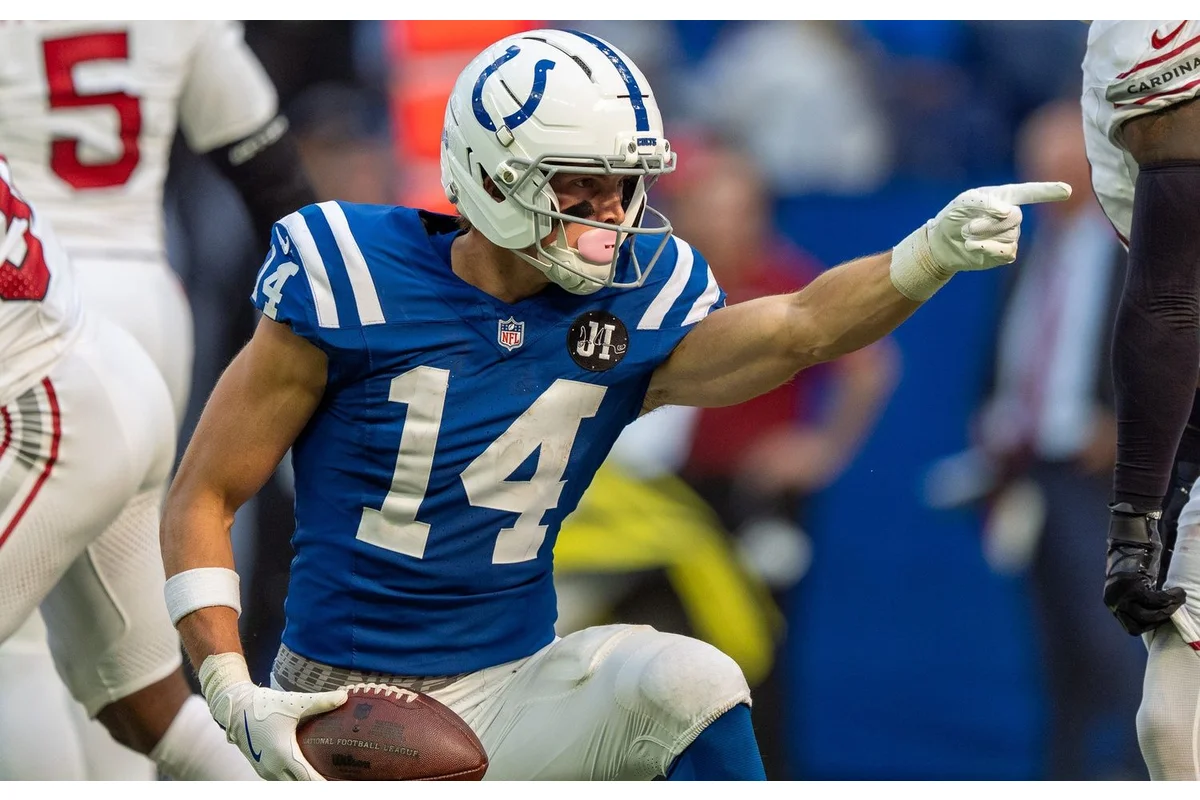
The transition tag allows Jones to negotiate with other teams, but the Colts retain the right to match any offer he receives, offering a measure of control to the franchise. Meanwhile, Pierce is expected to attract strong interest from several teams seeking a lead receiver, particularly those with significant salary cap space such as the Tennessee Titans and Las Vegas Raiders, both having over $88 million in available funds.
Ongoing Contract Talks Highlight Financial Challenges for Colts
The Colts face a complex salary cap situation as they attempt to retain their key offensive players. The transition tag for Jones comes at a cost of $37.8 million, which is less than the $43.8 million franchise tag price but still a significant commitment. Reports suggest Jones may seek a multi-year contract in the neighborhood of $40 million annually, adding pressure on the Colts’ salary structure.
Negotiations with Alec Pierce are reportedly still active. Dianna Russini of The Athletic noted ongoing discussions between Pierce’s representatives and the team, leaving open the possibility of a contract agreement before free agency officially begins.
“Alec Pierce’s reps and the Colts continue to negotiate at this hour, one other note that helps Indy: Alec’s brother Caden, a standout basketball player for Princeton, recently transferred… to Purdue.” — Dianna Russini, Reporter
In the 2025 season, Pierce delivered the best performance of his career, recording 47 receptions for 1,003 yards and six touchdowns. While four of those touchdowns were caught from quarterbacks Riley Leonard and Philip Rivers, Pierce and Jones developed a strong connection, especially on deep routes during the first half of the year.
ESPN’s Stephen Holder emphasized the importance of Jones’s status to Pierce’s decision-making process, stating the Colts’ effort to retain their quarterback is a key factor in securing Pierce’s return.
“Whatever you think of the Colts’ decision to tag Daniel Jones, the below statement remains true. Moving a step closer to keeping Jones in-house (via transition tag) is a positive for retaining Pierce. He wants clarity at QB before signing. This is VERY important to him.” — Stephen Holder, ESPN Reporter
Salary Cap Constraints Could Force Difficult Moves
As of early March, Indianapolis had roughly $33 million in available salary cap space, an amount insufficient to comfortably sign both Jones and Pierce to lucrative deals without making additional roster adjustments. One potential solution involves managing the contract of wide receiver Michael Pittman Jr., who carries a $29 million cap hit for 2026.
The Colts could save substantial space by cutting Pittman, which would free up approximately $24 million, or potentially negotiate a contract extension that spreads his cap hit over several years, allowing retention while easing immediate financial pressure.
Balancing the contracts of Pierce, Jones, and Pittman represents one of the offseason’s biggest challenges for Indianapolis, as the front office aims to hold onto their offensive core without compromising the team’s long-term flexibility.
Implications for the Colts’ Offseason and Future
The Colts’ decision to prioritize tagging Daniel Jones signals their commitment to maintaining stability at the quarterback position, a move that could influence wide receiver Alec Pierce’s decision ahead of free agency. Pierce’s value as a reliable, deep-threat receiver has drawn interest from multiple teams with substantial salary cap room, meaning the Colts must act quickly to finalize a deal.
How Indianapolis navigates its limited cap space—managing existing contracts and negotiating new ones—will determine its ability to retain both Jones and Pierce, key contributors to the team’s offense. The coming weeks will be crucial for the franchise as it attempts to balance financial constraints with the desire to keep its offensive weapons intact for future success.
Alec Pierce’s reps and the Colts continue to negotiate at this hour, one other note that helps Indy: Alec’s brother Caden, a standout basketball player for Princeton, recently transferred… to Purdue.
— Dianna Russini (@DMRussini) March 3, 2026
Whatever you think of the Colts’ decision to tag Daniel Jones, the below statement remains true. Moving a step closer to keeping Jones in-house (via transition tag) is a positive for retaining Pierce. He wants clarity at QB before signing.
This is VERY important to him. https://t.co/EMcUaUuAwD
— Stephen Holder (@HolderStephen) March 3, 2026
