
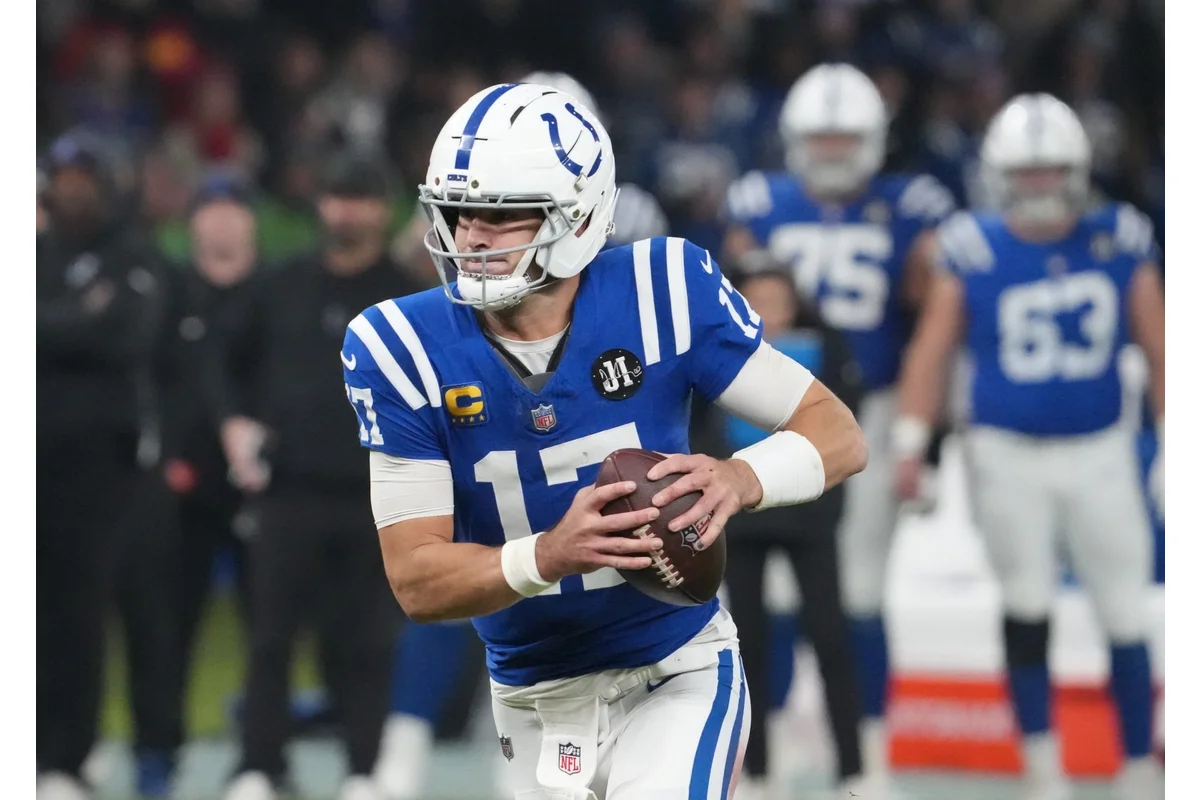
The Indianapolis Colts placed the transition tag on quarterback Daniel Jones on Tuesday, binding the player to a one-year deal valued at approximately $6 million less than the franchise tag amount for NFL quarterbacks. This decision allows the Colts to monitor Jones’s recovery from a season-ending ACL tear while negotiating a potential long-term contract. At the same time, Indianapolis faces the challenge of balancing Jones’s contract with the future of top wide receiver Alec Pierce, who is positioned as a priority free agent for the team’s financial planning.
Potential Risks Behind the Colts’ Financial Strategy
Following the announcement, several warning signs emerged regarding the Colts’ strategy. The quarterback market this offseason is thin but competitive, with teams including the Steelers, Vikings, Cardinals, Dolphins, Jets, Browns, Raiders, and Falcons all seeking quarterback improvements. Among these, Atlanta, Minnesota, and Pittsburgh present playoff-caliber opportunities while being led by experienced coaches known for quarterback-friendly offenses. In fact, the Vikings and Falcons’ offensive weaponry is comparable or superior to the Colts’, and Arizona’s Cardinals coach Mike LaFleur shares a coaching lineage with Indianapolis head coach Kevin O’Connell.
Given this landscape, Jones’s agents could leverage interest from these teams to negotiate offers exceeding the Colts’ transition tag amount. Unlike the franchise tag, the transition tag obliges the Colts only to a right of first refusal without draft pick compensation if they decline to match a rival contract. Thus, the team’s attempt to contain costs through the transition tag might be undermined if a competing offer emerges, eroding any presumed savings.
Concerns About the Colts’ Quarterback Depth and Backup Plans
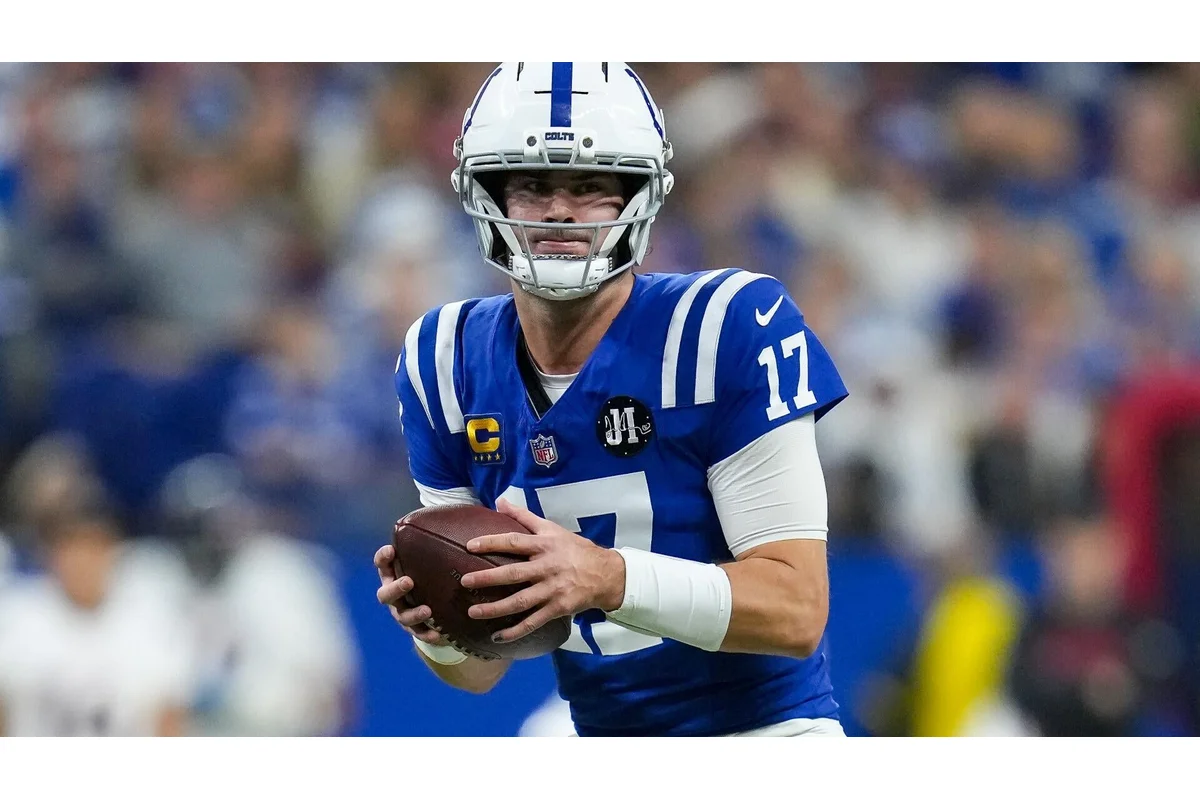
The Colts face a serious dilemma if Jones pursues or accepts an offer beyond their financial reach. The transition tag has been rarely used on quarterbacks since 1996 primarily because teams want certainty in securing their starting signal-callers. Currently, Indianapolis’s quarterback depth is thin, with only Riley Leonard and Anthony Richardson as alternatives. Last year, the Colts signed veteran Philip Rivers to replace Leonard temporarily, and Richardson has already requested a trade, leaving the team with limited internal options.
Adding to the Colts’ predicament is the absence of a first-round draft pick until 2028, limiting their ability to acquire a reliable backup quarterback through the draft in the near term. This scarcity of elite quarterback prospects could force Indianapolis to rely heavily on Jones remaining healthy and on the roster.
Financial Gamble Amid Questionable Team Performance
Though it is probable Jones will stay with Indianapolis, the team’s current approach carries a precarious edge, pushing advice and prudence to the sidelines. The Colts missed the playoffs in 2025 after a promising 8–2 start, with only two of those victories coming against strong opponents such as the Chargers and Broncos. The other six wins were over subpar teams, many of which replaced their head coaches by season’s end. Recreating last year’s performance assumes Jones’s full recovery and loyalty, a best-case but uncertain scenario.
A source within the league questioned the Colts’ faith in Jones, who commands nearly $40 million per year and faces ongoing health concerns, compared to Malik Willis, whose contract expectations range between $25 million and $30 million. Willis’s compatibility with a running game similar to Green Bay’s, complemented by Jonathan Taylor in Indianapolis, was noted as a potential advantage. Likewise, the Colts might have considered quarterbacks like Kirk Cousins or Aaron Rodgers, who would cost less and pose fewer health uncertainties, or even Kyler Murray, potentially available at minimum salary following his release by the Cardinals.
Implications of the Colts’ Commitment for the Upcoming Season
The Colts’ decision to lean heavily on Jones and invest significantly in a transition tag amid competitive market pressures reflects a gamble that could backfire. Financially, this move restricts flexibility and risks losing both their starting quarterback and key wide receiver Alec Pierce if the team is outmaneuvered in contract negotiations. It also challenges the organization to address depth weaknesses behind Jones before the season opener.
The Colts’ willingness to risk the fallout highlights an urgent crossroads for the franchise as they seek to return to playoff contention. How Indianapolis navigates this precarious balance between player health, contract strategy, and roster depth will likely influence their success in the near term and shape their trajectory well beyond this season. Ultimately, this choice raises questions about the front office’s confidence in alternative options and their readiness to face the financial consequences of a highly competitive quarterback market.
