
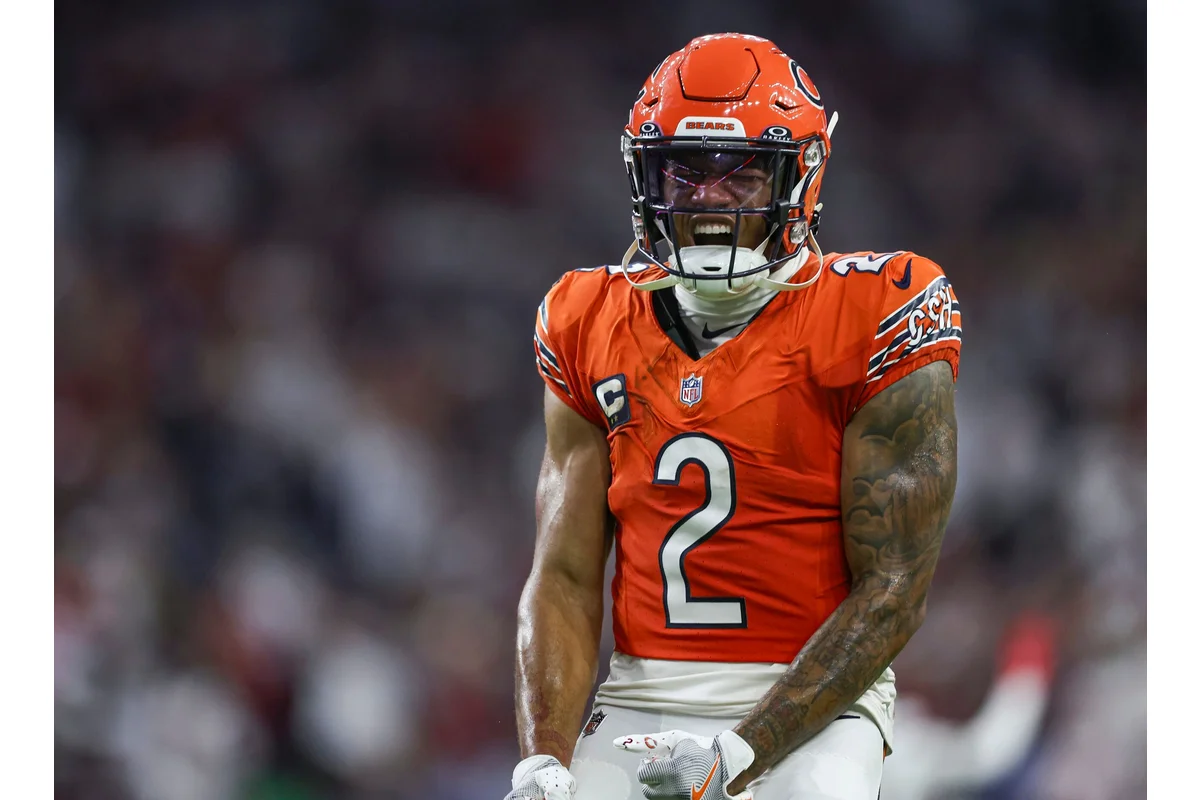
The Chicago Bears made a notable move in the 2026 offseason by trading wide receiver DJ Moore to the Buffalo Bills, securing a second-round pick in the 2026 NFL Draft. This transaction not only frees up salary cap space but also offers greater strategic options for the Bears as they prepare for the draft.
General manager Ryan Poles views this trade as a way to add flexibility to a roster-building plan that was already expected to adapt during free agency, providing a crucial boost to the team’s draft positioning.
Additional Second-Round Pick Increases Bears’ Draft Options
The immediate impact of receiving a second-round pick lies in the increased draft capital. Second-round selections are especially valuable, granting teams the ability to select multiple high-potential starters, trade picks to move up the draft board, and meet several roster needs within one round.
For the Bears, who have several key positions requiring attention, this flexibility is critical. For perspective, the team’s last second-round choices in 2025 included wide receivers Luther Burden and Ozzy Trapilo, both expected to play prominent roles on the roster.
Wide Receiver Needs May Influence Draft Priorities
Trading away Moore alters the dynamics of Chicago’s receiving unit. While Rome Odunze and Luther Burden remain important contributors, Moore’s exit removes a reliable playmaker from the offense.
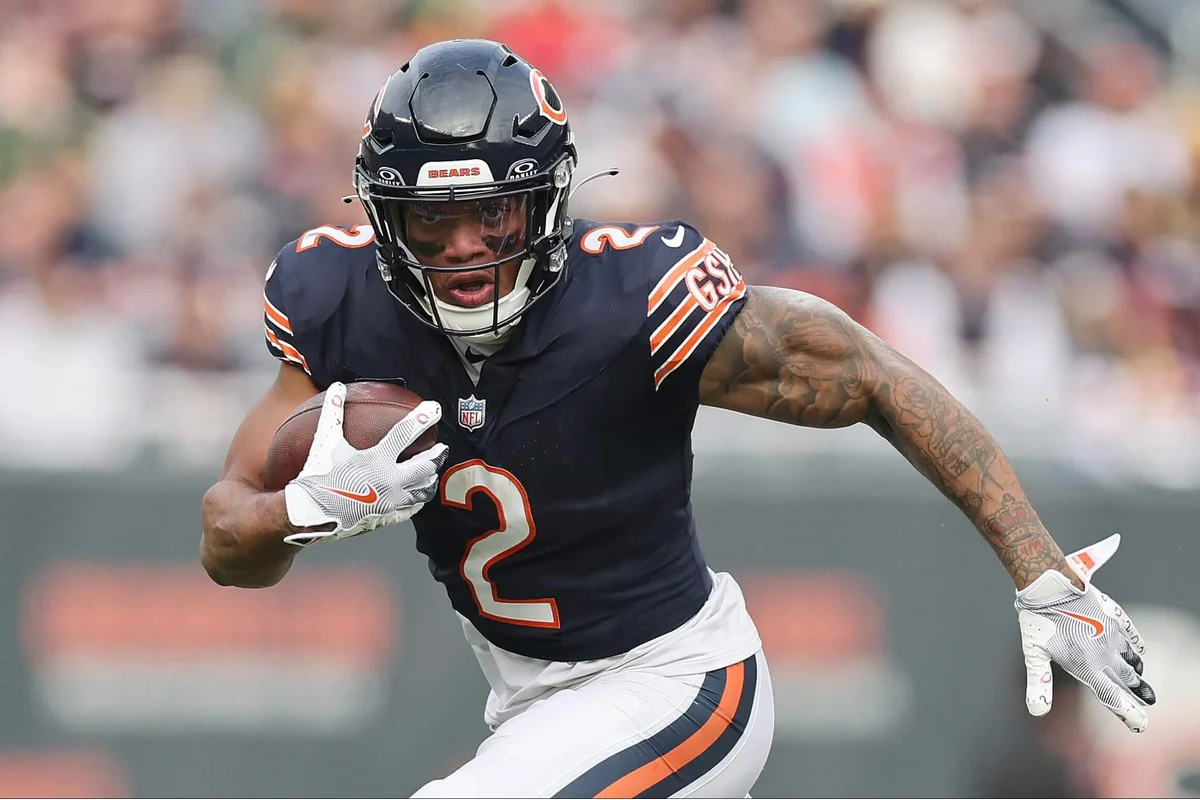
This scenario could cause wide receiver to rise in importance on the Bears’ draft board. Though Colston Loveland is viewed as a strong, big-bodied option, likely a mid-to-late prospect, the chance to select a skilled receiver earlier, if one falls into the late first round, is now more feasible thanks to the new draft capital.
Defense Expected to Remain a Central Draft Focus
Despite the offensive impact of the Moore trade, many league analysts anticipate Chicago to prioritize bolstering its defense in the early rounds of the draft. The Bears finished the previous season with several defensive needs, particularly along the interior defensive line, as well as at safety and edge rusher positions.
Draft projections commonly link Chicago’s first-round pick with defensive players who can create pressure in the middle of the line. The added second-round selection offers an opportunity to address multiple defensive weaknesses without reaching too far for talent.
Long-Term Roster Building Encouraged by New Draft Assets
Turning DJ Moore into a premium draft pick aligns with the Bears’ effort to rebuild around younger, cost-controlled players as they prepare for the future, especially with their quarterback approaching a major contract extension. This strategy mirrors successful roster construction approaches used by other contending NFL teams.
Expanded Draft Strategies Create New Opportunities for the Bears
With the additional second-round pick in hand, the Bears enter the 2026 NFL Draft with enhanced options. This extra asset allows them to address critical needs, maneuver through the draft order, or add new offensive weapons to complement the team.
Notably, this move increases the possibility that the Bears may trade their first-round pick, especially with defensive star Maxx Crosby potentially available. Whatever path the Bears take, the Moore trade clearly gives their draft plans greater versatility and depth moving forward.
Compensation agreed upon:
🏈Buffalo gets: DJ Moore and 2026 5th-round pick.
🏈Chicago gets: 2026 2nd-round pick.
— Adam Schefter (@AdamSchefter) March 5, 2026
