

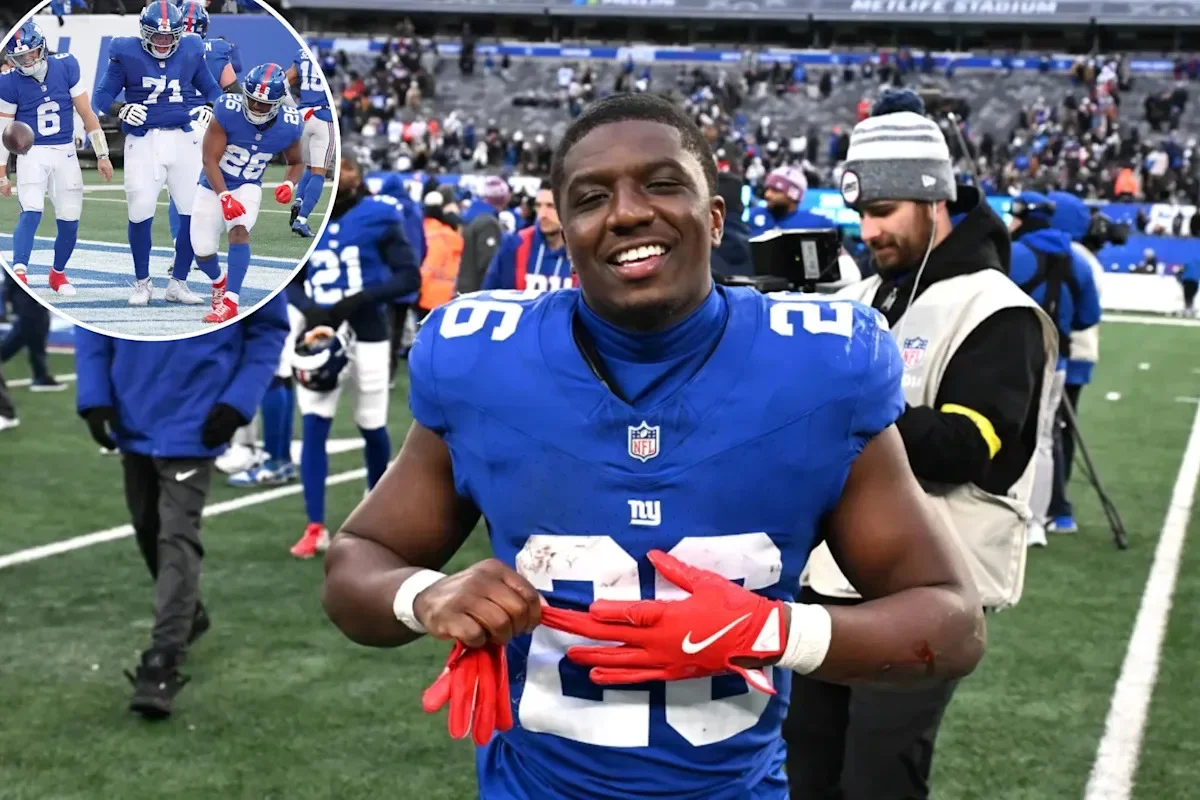
New York Giants running back Devin Singletary has agreed to reduce his base salary for the 2026 season from $5 million to $1.345 million to remain with the team. This adjustment, a significant reduction, is part of a contract restructure aimed at easing the Giants’ salary cap burden while still allowing Singletary the chance to earn up to an additional $1 million through performance incentives.
The lowered base salary aligns with the league minimum for a veteran player with seven accrued seasons, but the overall cap hit for Singletary will include his base, a $250,000 workout bonus, and the prorated portion of his signing bonus. This totals $2.845 million against the cap, down from the previous $6.5 million figure, saving the Giants $3.655 million.
Financial Impact and Roster Implications for New York
By restructuring Singletary’s contract, the Giants will free approximately $3.95 million in their 2026 salary cap space. Singletary, currently projected as the third option at running back, stands to benefit from the $250,000 workout bonus included in the new agreement. The Giants’ available cap space is estimated to be around $17.9 million, pending finalization of veteran Gunner Olszewski’s contract, presumed to be the league minimum.
Uncommon Contract Option for Micah McFadden
In related roster news, Dan Duggan of The Athletic brought attention to a rarely utilized contract mechanism known as the “Four-Year Player Qualifying Contract.” This tender can be applied to players with four or more continuous years of service on the same team, such as linebacker Micah McFadden, who is recovering from a season-ending injury that cut short his rookie contract.
This contract allows teams to offer up to $1.25 million more than the minimum salary for players with four credited seasons, potentially raising McFadden’s base salary from the four-year veteran minimum of $1.26 million to $2.51 million. It stands as a way to recognize the player’s commitment and provide compensation despite diminished market value caused by injury.
Salary Cap Implications of the Four-Year Player Qualifying Contract
According to Article 27, Section 8 of the NFL Collective Bargaining Agreement, the salary cap charge for a Four-Year Player Qualifying Contract equals the minimum salary appropriate for a player with the respective number of credited seasons. This suggests that while the player’s actual pay may be higher, the amount counting against the team’s salary cap will remain at the standard veteran minimum.
Looking Ahead for the Giants and Their Salary Strategies
The Singletary contract restructure highlights the Giants’ ongoing effort to manage their cap space strategically while retaining key contributors. The use of specialized contracts such as the Four-Year Player Qualifying Contract for players like McFadden further demonstrates creative measures teams can employ to balance player compensation and cap flexibility. These moves are critical as the Giants prepare for upcoming seasons with a goal of maximizing competitiveness under financial constraints.
“Say whatever you will about New York Giants running back Devin Singletary, but the seven-year NFL veteran understands the business side of the game.” ?Anonymous Source
Veteran RB Devin Singletary took a pay cut to $1.3 million, per source. That is the minimum for a player with his experience. There is an additional $1 million available in incentives.
Singletary was set to make a base salary of $5 million prior to the adjustment. https://t.co/2sjufpC6Ii
— Jordan Raanan (@JordanRaanan) March 7, 2026
Nerding out on the CBA over here, how are you spending your Friday night? The Giants could utilize a rarely used benefit to re-sign Micah McFadden. The "four-year qualifying contract" would allow the Giants to sign McFadden to a one-year, $2.8M contract that would only cost $1.2M… pic.twitter.com/2kXaryjpXV
— Dan Duggan (@DDuggan21) March 6, 2026
