
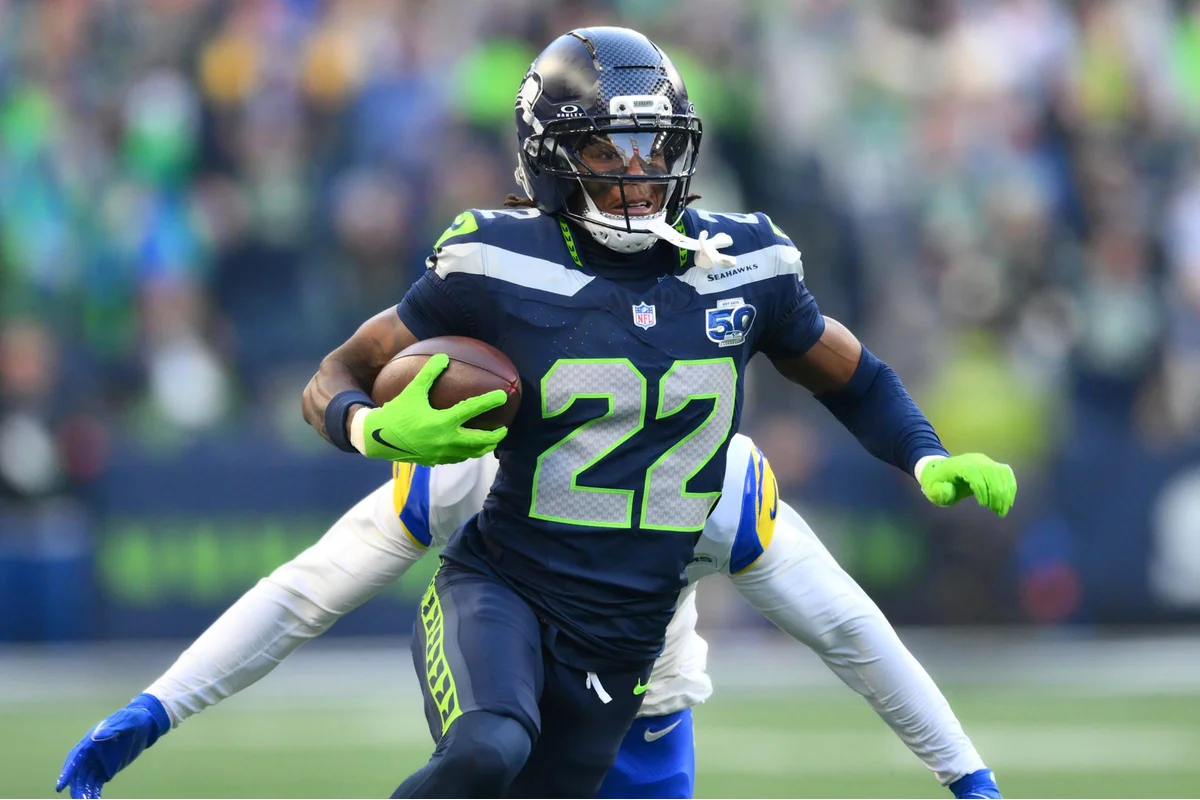
Almost a year ago, on March 9th, the Pittsburgh Steelers exchanged a second-round draft pick for wide receiver DK Metcalf, along with a late-round pick swap. Although the official one-year anniversary falls tomorrow, this date marks the start of the new league year and brings the trade back into focus just as the tampering period begins once again.
This analysis examines Metcalf’s performance since joining Pittsburgh and assesses whether the trade and his subsequent $150 million contract extension have justified the cost.
Metcalf’s On-Field Performance in 2023
In 15 games, DK Metcalf recorded 59 receptions, 850 receiving yards, and six touchdowns, marking the weakest statistical season of his NFL career. These numbers fell short compared to what the Steelers sacrificed to acquire him.
To better understand the trade’s value, consider the salary costs per reception among the top 20 highest-paid wide receivers in 2025. Despite fluctuations due to recent contract extensions and injuries, Metcalf ranked as the second-most expensive receiver per catch, excluding players with truncated seasons.
Metcalf remains the fourth-highest-paid wide receiver in the league, making his contract appear even more costly one year later. The only optimistic aspect is that he is signed through 2029, and with the NFL salary cap continuing to rise rapidly, his deal may become more reasonable over time.
Draft Capital and Opportunity Cost
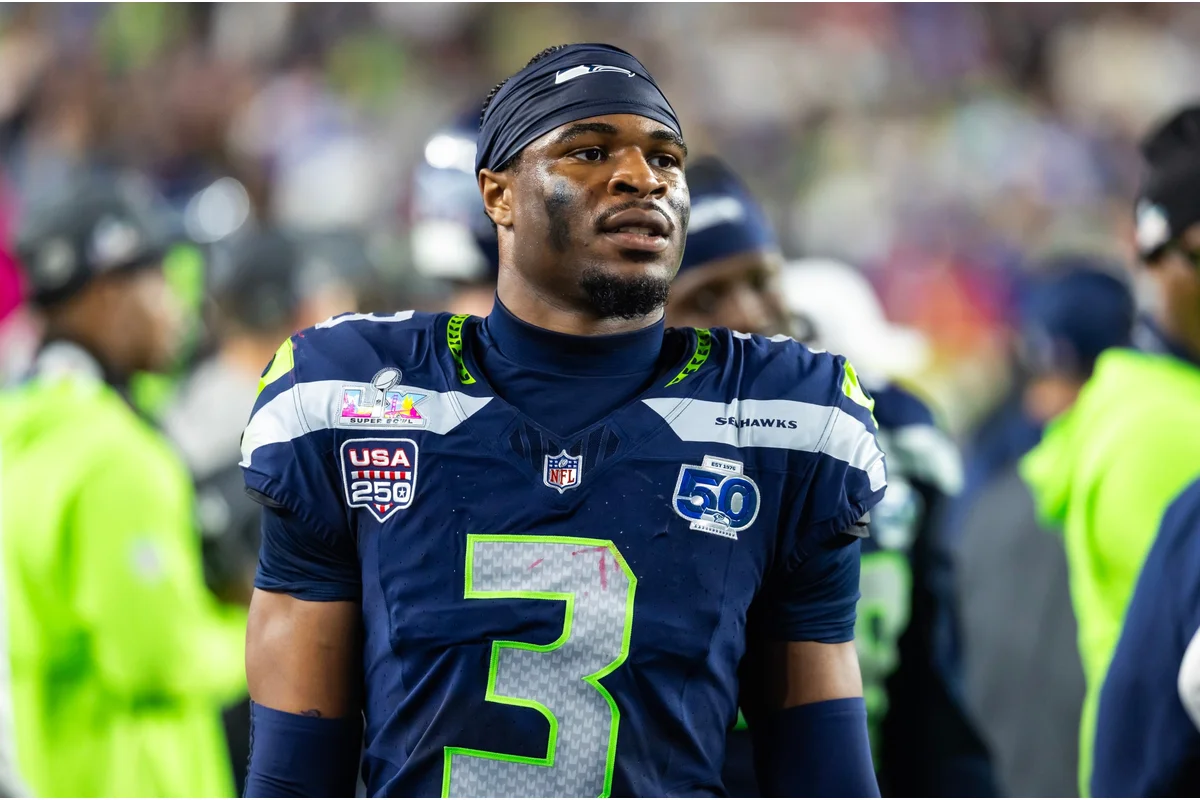
The Steelers gave up the No. 52 overall pick to acquire Metcalf. Seattle converted that pick into a trade with the Tennessee Titans, moving up to select safety Nick Emmanwori, a key contributor to the league’s top defense. This outcome highlights the significant opportunity cost Pittsburgh faced.
Following that, Pittsburgh’s third-round selection went to drafting running back Kaleb Johnson. The team might have used the No. 52 pick to address multiple needs, such as doubling down on the defensive line by selecting Darius Alexander or strengthening the secondary with prospects like Benjamin Morrison, Shavon Revel Jr., Azareye’h Thomas, or Darien Porter—all players who had pre-draft visits.
This depth of alternative options further emphasizes the value sacrificed by moving up for Metcalf rather than bolstering the roster in other critical areas.
Concerns Beyond Statistics
Aside from on-field struggles, Metcalf faced criticism for engaging in a physical confrontation with a fan during a pivotal moment in the season, which risked disrupting the team’s performance. Such behavior added to the controversy surrounding his impact on the Steelers.
Future Prospects and Team Strategy
While this first year post-trade presents a bleak evaluation of the deal, it does not necessarily signify a total failure. There is still significant time for Metcalf to improve his contributions over the remaining four years of his contract. However, a pressing concern is whether he will ever have a top-tier quarterback throwing to him again, which was a key factor in his peak performance with Seattle.
On a more positive note, the Steelers plan to surround Metcalf with more receiver talent to alleviate the defensive focus on him. His best seasons in Seattle came with complementary stars like Tyler Lockett and Jaxon Smith-Njigba drawing coverage.
As the tampering period opens, Pittsburgh possesses 12 draft picks and could pursue further trades to enhance the roster, signaling ongoing efforts to balance the scales after committing significant assets to Metcalf.
Overall, this trade serves as a tense and somewhat uneasy reminder of the risks in NFL roster building, where high-cost moves do not always translate into immediate success and demand careful evaluation as the team’s direction evolves.
