
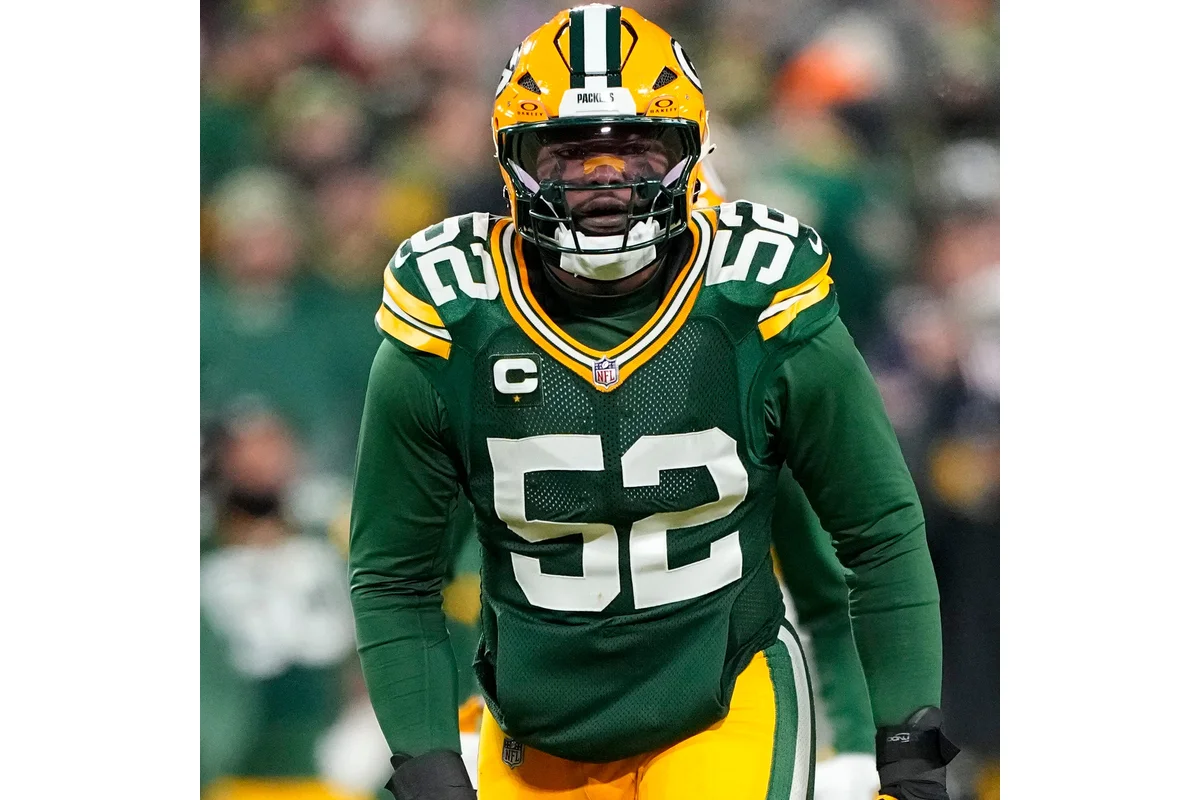
In a pivotal offseason decision, Green Bay Packers general manager Brian Gutekunst traded edge rusher Rashan Gary to the Dallas Cowboys, illustrating a clear “Rashan Gary trade masterclass” in NFL roster strategy. This move came after Gary’s sharp decline in performance during the 2025 season, which prompted the Packers to reconsider his fit despite his lucrative contract.
Gary had signed a hefty four-year, $96 million extension in 2023, with expectations he would be a defensive force for years. Initially, he appeared to justify the investment, recording 7.5 sacks in the first seven games of the 2025 season. Unfortunately, his effectiveness plummeted as he failed to generate any sacks in the final 11 games. He struggled to evade blockers even when opponents focused on other defenders, signaling that his high salary no longer aligned with his on-field contributions.
Turning a Losing Asset Into Future Value
Rather than simply releasing Gary and accepting a loss, Gutekunst chose a more proactive path. This was a clear evolution from past missteps, such as the failed trade attempts with cornerback Jaire Alexander, who was ultimately let go without compensation. This time, the Packers leveraged trade negotiations to convert a fading star into tangible future assets.
The Cowboys, seeking to bolster their pass rush, became the trade partner. Through the deal, Green Bay acquired a 2027 draft pick, transforming Gary’s troubled status into valuable draft capital. This skillful exchange demonstrated how Gutekunst extracted maximum value from a player the team was ready to part with, keeping the door open for acquiring young, cost-effective talent in upcoming drafts.
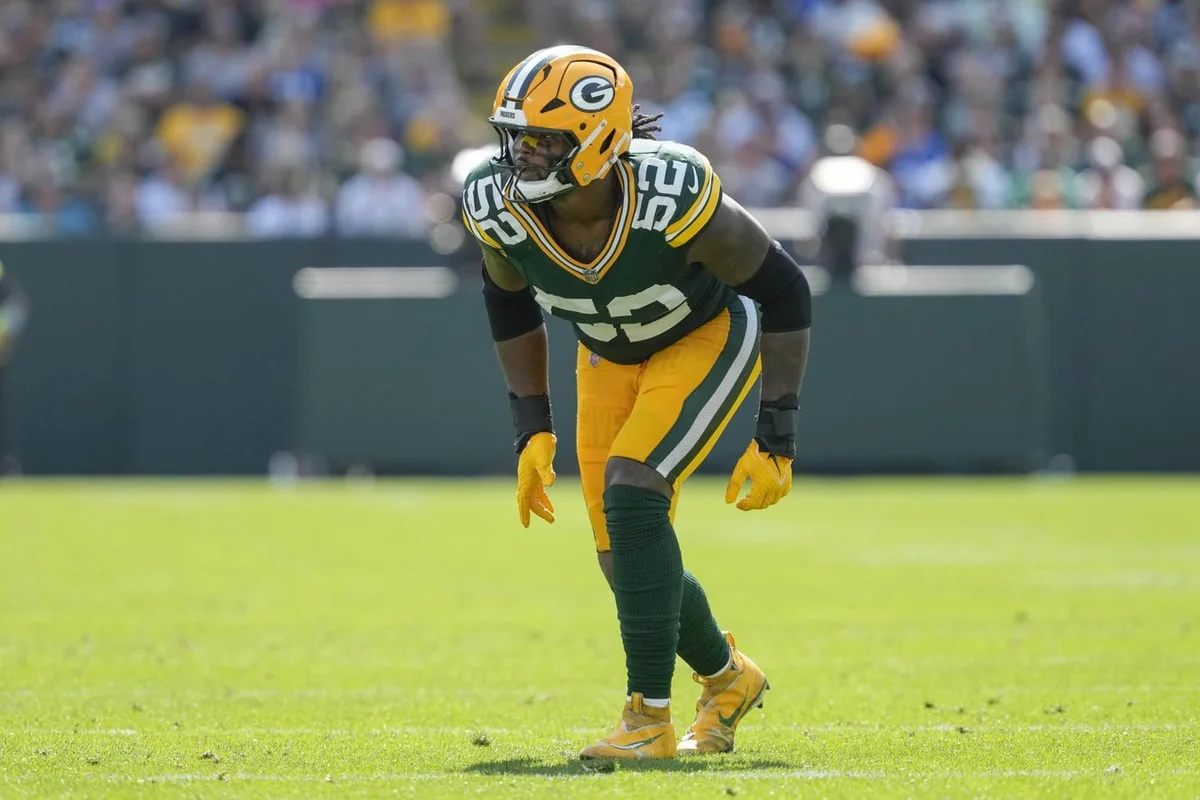
Significant Salary Cap Advantages for the Packers
Managing the NFL salary cap efficiently is critical, and this trade alleviated substantial financial pressure on Green Bay. Gary’s cap hit was roughly $28 million for the 2026 season, a figure that severely restricted the team’s flexibility for improving the roster in free agency.
By sending Gary to Dallas, the Packers freed about $11 million in cap space immediately. This newfound breathing room enables Pittsburgh to target free agents or strengthen contracts for promising players already on the roster. Gutekunst prioritized financial adaptability over retaining a high-profile player, a strategy that many successful teams adopt to avoid previous contract pitfalls from undermining future opportunities.
Demonstrating Strategic Roster Building
This transaction exemplifies the modern NFL general manager’s role in maintaining a competitive team. Gutekunst identified a clear problem, resisted the temptation to cut losses without return, and maximized the trade’s benefits. By shedding an expensive contract and gaining a draft pick plus essential cap relief, the Packers reinforced their commitment to smart, forward-looking roster management.
Knowing when to move on from aging or underperforming veterans is a hallmark of sustained success in the NFL. Brian Gutekunst showed he possesses the foresight and decisiveness required to make such tough decisions, even under pressure. The trade of Rashan Gary not only improves the Packers’ financial and roster flexibility but also serves as a textbook example of masterful team management during a critical offseason period.
“You rarely see a general manager extract real value from a player everyone knows the team plans to cut.” ?Matt, Owner at Total Apex Media
