
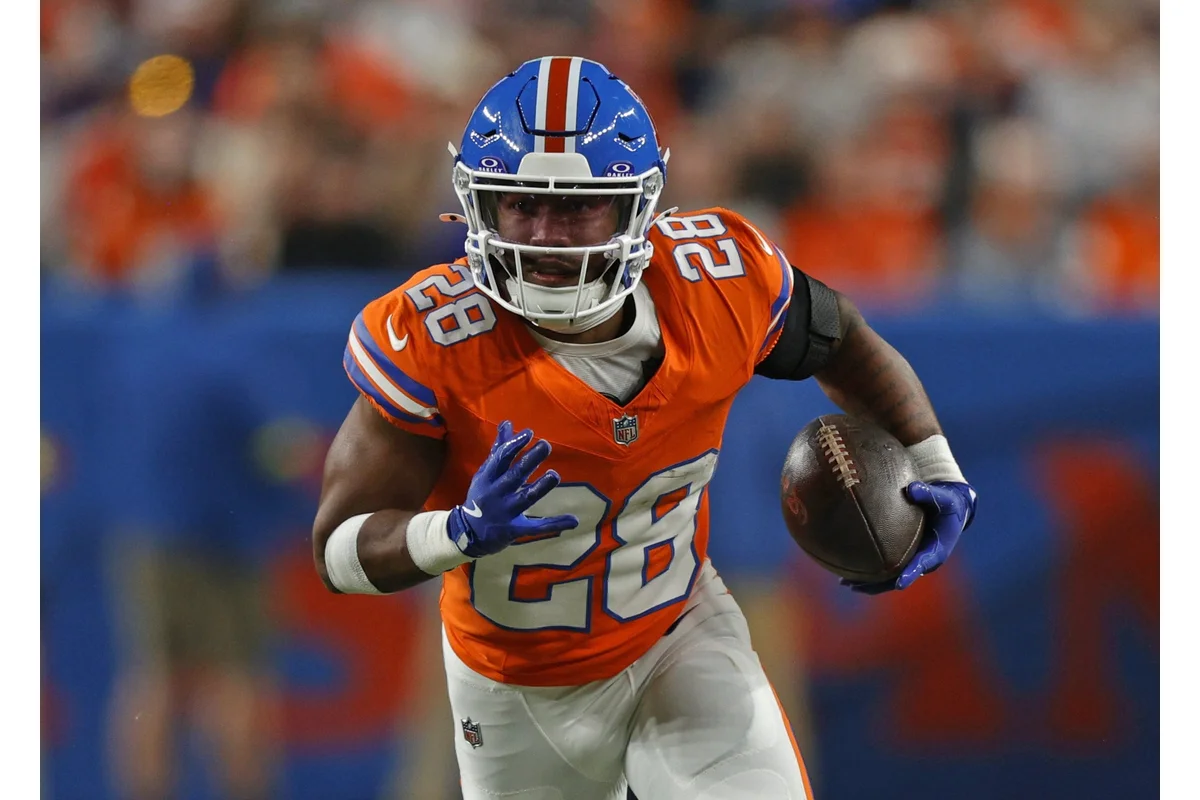
The Baltimore Ravens have made limited moves in the 2024 free agency period, with offensive guard John Simpson as their only confirmed signing by Monday. Despite this, their approach to free agency is having a significant ripple effect across the league. The Ravens have lost multiple free agents, many of whom followed head coach John Harbaugh to the New York Giants, including tight end Isaiah Likely. The most notable departure is Tyler Linderbaum, who signed a remarkable three-year, $81 million contract with the Las Vegas Raiders.
In 2024, Baltimore set a new standard by investing heavily in the running back position through their signing of Derrick Henry, aiming to complement their star quarterback, Lamar Jackson. Following a disappointing offensive season, the Kansas City Chiefs decided to emulate Baltimore’s approach, signing Kenneth Walker III to a three-year, $43.05 million deal. This move signals a broader shift in how NFL teams value running backs in their offensive strategies.
The Rise of Ground-Focused Offenses in the NFL
The Ravens and the Philadelphia Eagles, who re-signed star backs Derrick Henry and Saquon Barkley in 2024, are at the forefront of a trend prioritizing ground attacks over pass-heavy offenses. This shift toward a dominant rushing game has proven successful. In the season following their signings, Henry and Barkley led the NFL in rushing yards, with Barkley rushing for 2,005 yards and Henry close behind with 1,921. Their outstanding performance validated the emphasis on strong rushing offenses and influenced game plans in 2025 as well.

Historically, running backs were undervalued during free agency, often overlooked compared to other positions. That perception is changing rapidly as teams realize the impact top-tier rushers can have on winning games. This recalibration of priorities has already benefited Baltimore and Philadelphia and now appears poised to reshape the Kansas City Chiefs’ offensive approach.
Kansas City’s Urgent Need for a Dynamic Running Back
The Chiefs were in clear need of a reliable, versatile running back heading into the current season. Kenneth Walker III fits this need well, having rushed for 1,027 yards and five touchdowns during the regular season. His performance in the postseason was even more impressive—accumulating 313 yards on 65 carries during critical moments, capped by a Super Bowl MVP-worthy display in Super Bowl 60.
With Derrick Henry continuing to perform at an elite level well into his 30s, the demand for explosive, dependable rushers is becoming more apparent across the league. The sizable contract awarded to Walker underscores the NFL’s renewed focus on the running game as a foundational element of championship-caliber offenses.
Implications of the Changing Economics Around Running Backs
The move by Kansas City to invest in Kenneth Walker III following the model established by Baltimore demonstrates how the valuation of running backs is being transformed. Teams once reluctant to pay premium prices for these players are now recognizing the crucial role they play in balanced and effective offenses. This evolution in strategy could significantly influence roster building and salary decisions as other franchises observe the success generated by this approach.
As the 2024 NFL season unfolds, the consequences of adopting the “Derrick Henry running back blueprint” will become clearer. With Walker’s impact already evident, the league may see more teams prioritizing their ground games and elevating the running back’s importance within their offensive schemes.
