
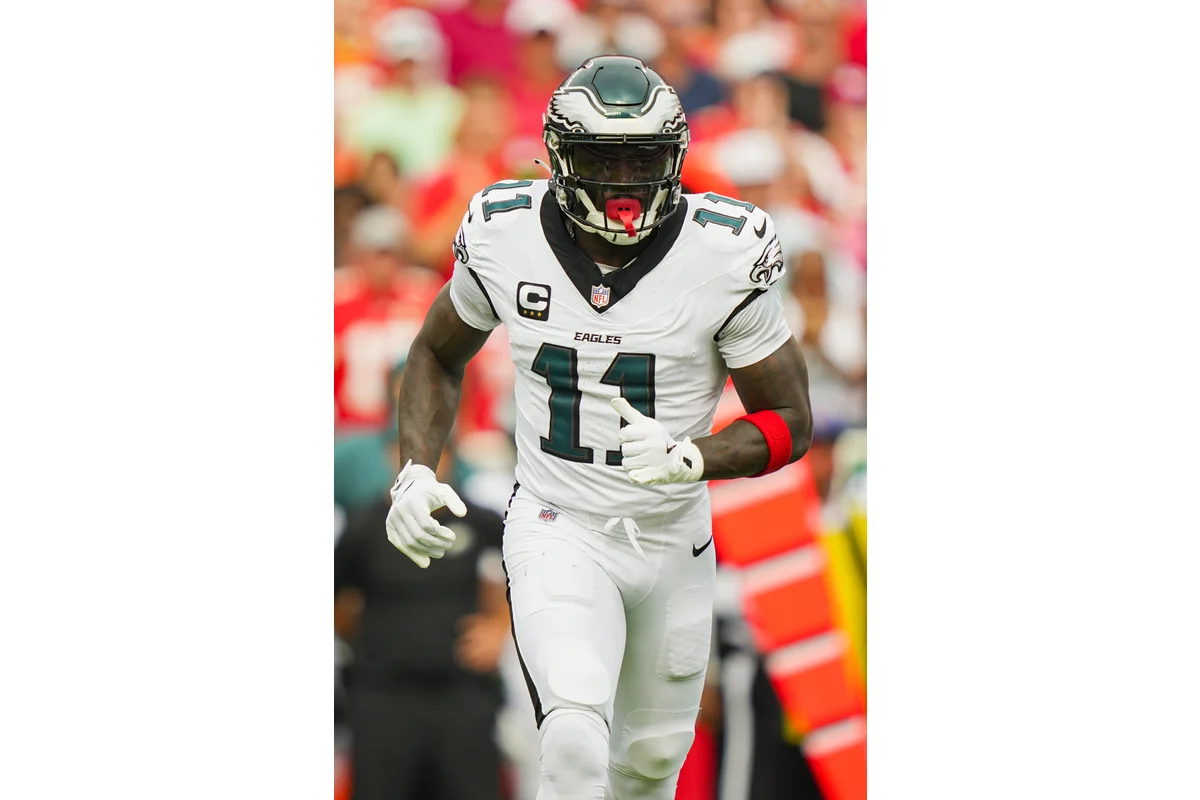
The Philadelphia Eagles appear focused on trading wide receiver A.J. Brown, carefully navigating salary cap limitations that complicate a move before June 1. General Manager Howie Roseman is working to maximize returns, which could include future draft picks in the 2027 or even 2028 drafts as part of the compensation.
Roseman’s strategy echoes a prior transaction when he sent Hason Reddick to the New York Jets in 2024 for a conditional third-round pick due years later, demonstrating a willingness to trade players now for long-term assets. Even if Brown is traded for picks far in the future, the Eagles are likely to pursue a replacement during this year’s draft, possibly finding their next offensive weapon from an Indianapolis-native fresh off a national championship.
Emerging Prospect From Indianapolis Draws Attention
Omar Cooper, a standout wide receiver from Indiana University and native of Indianapolis—often called the “Racing Capital of the World” due to the Indy 500—is reportedly among the top 30 prospects the Eagles plan to host this spring. This was the first public confirmation of a player from that exclusive group, hinting at Roseman’s early interest in evaluating Cooper closely.
The Eagles have historically drafted players after inviting them to their top-30 visit group, which bodes well for Cooper’s chances of joining the team. To secure him, Philadelphia may either select Cooper with their 23rd overall pick or trade down in the first round or early second round, hoping he remains available.
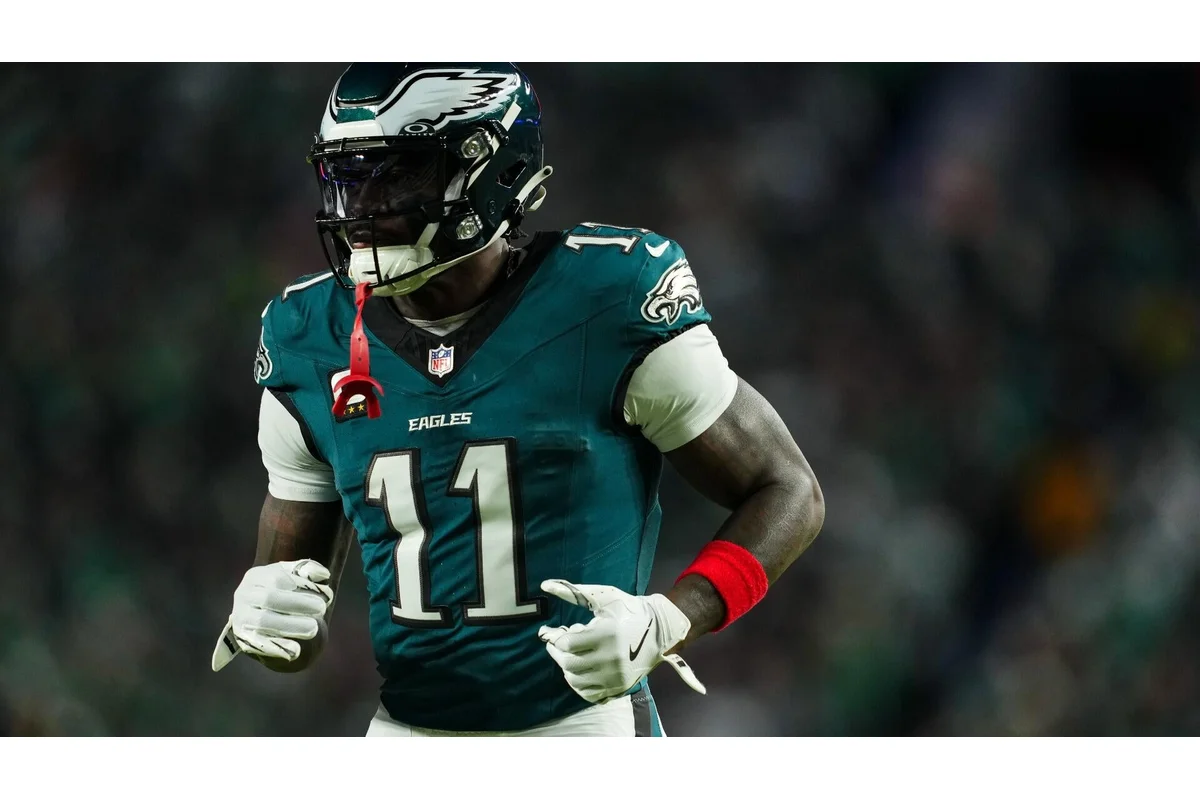
Performance Comparison Highlights Cooper’s Potential
At the NFL Scouting Combine, Cooper posted numbers that closely parallel Brown’s, differing mostly in weight—Brown weighed in at 226 pounds, Cooper at 199. Standing both around 6 feet tall, Cooper clocked a faster 40-yard dash at 4.42 seconds compared to Brown’s 4.49. Their acceleration over 10 yards was nearly identical, with Cooper at 1.55 seconds and Brown at 1.56, complemented by comparable vertical leaps of 37 and 36.5 inches respectively.
In Cooper’s final collegiate season, he amassed over 1,500 receiving yards and scored 20 touchdowns. Ranked 18th on NFL analyst Daniel Jeremiah’s top 50 prospect list, Cooper impressed Jeremiah as one of the most intriguing players in this draft class.
“He’s strong, reliable and explosive,” Jeremiah wrote. “He uses his lower-body strength to run through press coverage and he’s a loose/fluid route runner. He plays without fear in the middle of the field, making combat catches look easy.
“He can really pluck the ball and stays grounded through the catch on crossers. Also, he can elevate and play above the rim (see: game-winner against Penn State) when necessary. After the catch, he has the power to break tackles and enough speed to pull away. Sources at the school rave about his makeup and competitiveness. Overall, Cooper fits the exact model of wideouts finding immediate success in the NFL.”
– Daniel Jeremiah, NFL Draft Analyst
Draft Evaluations Reflect a Mix of Hope and Caution
While Jeremiah’s past rankings have seen hits and misses—for example, in the 2019 draft, he placed A.J. Brown at 36th despite Brown’s eventual rise—the endorsement of Cooper carries weight given Jeremiah’s deep familiarity with the player pool. The Eagles, balancing urgent roster needs against cap constraints, seem poised to lean on scouting insights like these as they weigh trading Brown and preparing to draft their potential successor when the NFL Draft opens on April 23.
This season could mark a pivotal transition for the Eagles’ receiving corps, with the front office’s trades and draft moves shaping their offensive future. The management’s handling of Brown’s contract and replacement options will likely influence the team’s competitive window for years to come.
