

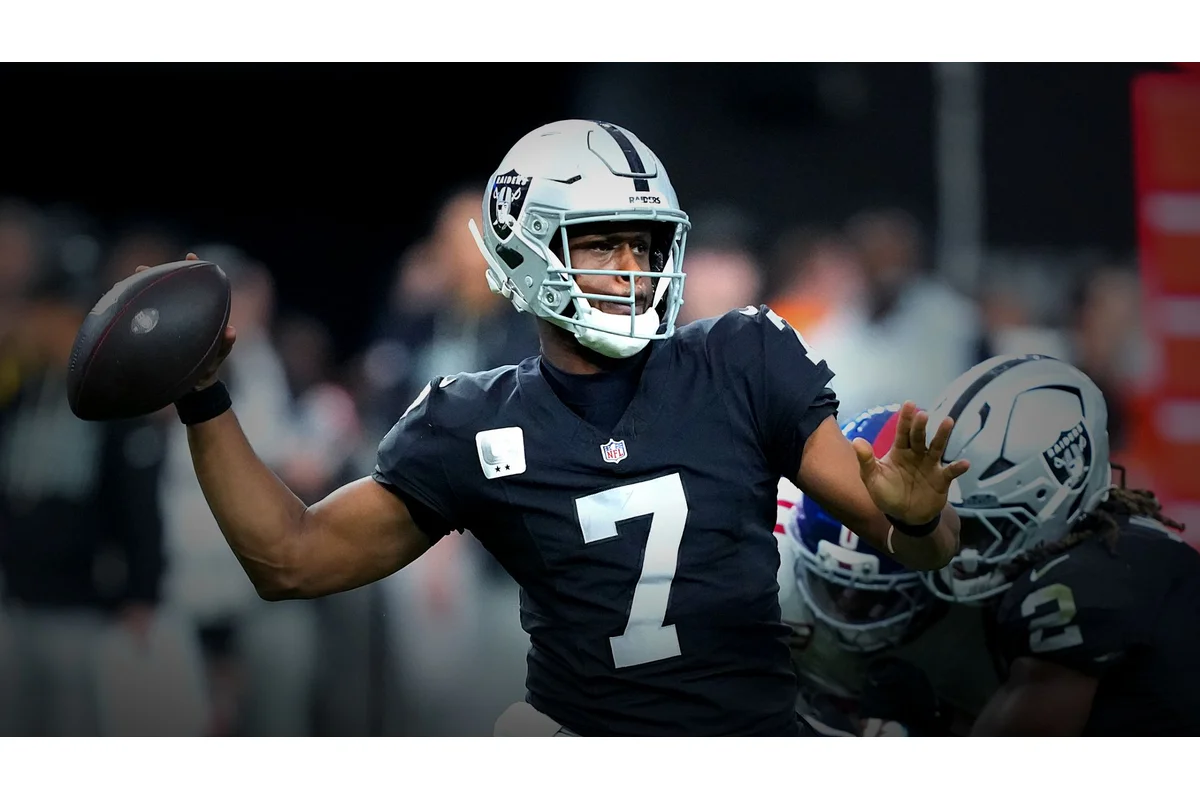
On Tuesday, the New York Jets finalized the acquisition of quarterback Geno Smith, a move that aligns with General Manager Darren Mougey’s broader strategy as the team prepares for the future. This signing addresses the Jets’ immediate need for a competent quarterback while keeping their long-term goals intact, particularly their focus on securing a franchise quarterback through the 2027 draft.
The Intent Behind Smith’s Acquisition
Mougey’s priority this offseason is to avoid any decisions that could limit the Jets’ ability to add a winning quarterback within the next 14 months. Bringing in Geno Smith fits this philosophy because of his affordability and modest upgrade over last year’s options, which included Justin Fields, who remains a part of the roster. Smith offers a steady presence who can reliably connect with key players like Garrett Wilson and Breece Hall, providing timely decisions and consistent passing without jeopardizing the team’s draft capital or salary flexibility.
Building a Competitive Team While Preparing for the Future
While the Jets are not openly tanking, they have clearly been positioning themselves for the 2027 draft, evident from recent high-profile trades such as those of Sauce Gardner and Quinnen Williams. Mougey has excelled in accumulating draft picks and managing salary cap space, effectively creating a wealth of resources to pursue a quarterback-rich draft or a promising young veteran available before then.
In addition to quarterback considerations, the Jets have strengthened their defense through moves like trading for T’Vondre Sweat from the Titans in exchange for Jermaine Johnson and signing Minkah Fitzpatrick from the Dolphins. These transactions demonstrate a commitment to building a more robust and experienced squad under head coach Aaron Glenn’s system, with several players familiar with Glenn’s coaching style brought in to deepen the locker room culture and improve consistency.
Mougey’s Quiet yet Impactful Leadership
Since taking over as the Jets’ general manager just over a year ago, Darren Mougey has quietly reshaped the team’s trajectory. His approach contrasts with Glenn’s more vocal presence; Mougey has preferred to work strategically behind the scenes, orchestrating roster improvements without seeking the spotlight. This dynamic has surprised some, as Glenn entered the franchise with bold declarations about culture shifts, while Mougey methodically set the foundation for sustainable growth.
Implications for the 2026 Season and Beyond
Although these roster moves may help stabilize the Jets during the 2026 season, the real measure of success will be how they position the team for the future. If the Jets show more cohesion and competitiveness, it could strengthen Glenn’s role, but Mougey’s vision centers on opening the door for the next quarterback who can lead the franchise to consistent victories. Geno Smith’s role is therefore viewed as transitional — capable of delivering solid performances without limiting the team’s ability to pursue a superior long-term solution.
Mougey’s careful planning and decision-making underscore that these current transactions are merely the preparatory steps before the Jets make a defining move at quarterback. His ability to retain flexibility while improving the roster will be crucial in navigating the balance between present competitiveness and future success.
Jets’ Confidence in Geno Smith’s Role
With Geno Smith officially joining the Jets, the team gains a quarterback who is well understood by the organization and its fan base. His presence brings experience and stability to a roster that has undergone significant change, offering a more reliable passing game than last season. This move reflects the Jets’ assurance in Smith’s ability to manage the offense without hindering the team’s broader draft and development plans.
