
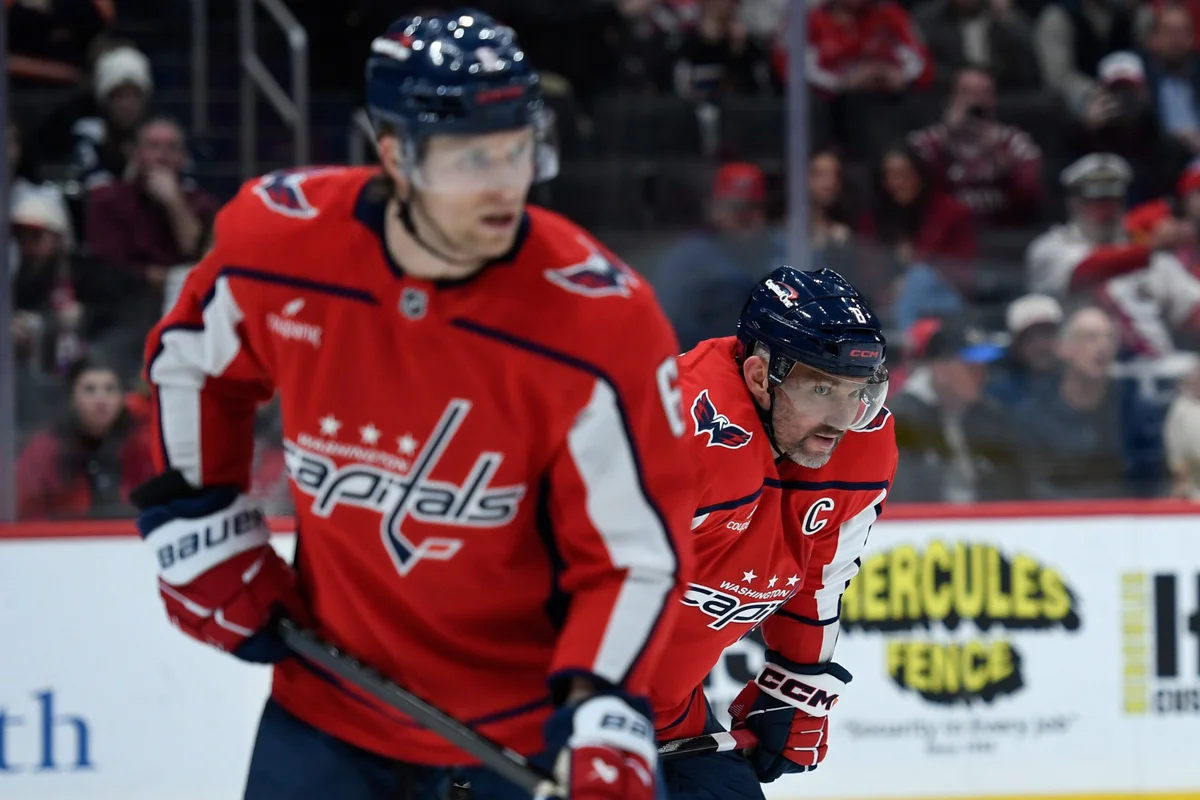
The 2026 Milano Cortina Winter Olympics are approaching, with athletes from 92 countries preparing to compete on Italy’s snow and ice. However, Russian competitors, including famed hockey player Alex Ovechkin, will not participate under their national symbols due to a ban imposed by the International Olympic Committee (IOC), sparking strong criticism from Moscow.
Russian Sports Minister and Olympic Committee President Mikhail Degtyarev condemned the IOC’s decision in an interview with Japan’s Kyodo News, calling it political discrimination that violates the Olympic Charter. He argued that Russian athletes have been unfairly penalized merely because of their nationality amid the ongoing Russia-Ukraine conflict.
Restrictions on Russian Participation in Team Events and Neutral Status
Despite the ban on representing their country, Russian and Belarusian athletes may still compete under strict neutral status as Individual Neutral Athletes (AINs). These participants face rigorous conditions, including prohibitions on any military ties or overt support for the conflict. Yet, the ban on team events prevents Russian squads from joining competitions like ice hockey, directly excluding players such as Ovechkin from the Games.
Degtyarev highlighted the discriminatory nature of these restrictions, emphasizing that they contradict the Olympic spirit by denying athletes national representation based solely on ethnicity or politics.
Alex Ovechkin’s Olympic Background and Current Frustrations
Alex Ovechkin, son of two-time Olympic champion Tatyana Ovechkina, has long been dedicated to representing Russia on the international ice hockey stage. As captain of the Washington Capitals, he competed in the Winter Olympics three times from 2006 to 2014 and served as an ambassador for the 2014 Sochi Games, where he also had the honor of carrying the Olympic flame.
However, the NHL’s refusal to allow player participation in the 2018 PyeongChang Olympics marked a turning point. Ovechkin publicly expressed his disappointment regarding restrictions on NHL players competing at the Games.
“I see the news this week and I am very disappointed that IOC, IIHF and NHL put me and all NHL players in this position when some of the best players in world do not have chance to play in the Olympic Games,”
he said.
“This is not just about me but all the NHL players who want to play and have a chance to win Gold for their country. Our countries are now not allowed to ask us to play in the Olympics.”
Despite the NHL’s respect for players’ desire to compete, it maintained restrictions during the 2022 Beijing Olympics, which limited Russian athlete representation drastically compared to previous years. When asked about the current Olympic ban on Russian players, Ovechkin expressed uncertainty and frustration.
“I don’t know what’s even going to happen there. Yes, we want to play in the Olympics, but if they won’t let us, what do we do?”
Impact of Restrictions on Russian Athletic Presence at Milano Cortina
The Moscow decision to bar Russian athletes from wearing national symbols at the Olympics significantly reduces their presence in the Games. While more than 200 Russian athletes participated in the 2022 Beijing Games, earning 32 medals, only 13 are expected to compete in Milano Cortina under neutral designations. This sharp decline underlines the severe consequences of the restrictions in place.
The ban not only affects individual competitors but also robs prominent teams and fans of participation in team competitions, especially ice hockey, a sport in which Russia has traditionally been highly competitive.
Moscow’s Response and the Wider Olympic Debate
Russia’s strong rebuke through Minister Degtyarev underscores the ongoing tension between the IOC’s actions and Moscow’s view of fairness in international sport. By labeling the exclusion as ethnic and political discrimination, Degtyarev highlights the broader implications of the ban on athletes’ careers and international relations within sports.
The policy reflects the intersection of global conflict and sports governance, leaving athletes like Ovechkin caught in the middle. The restrictions also challenge the Olympic ideal of promoting unity and competition beyond politics.
Looking Ahead: What This Means for Future Olympic Games
As the Milano Cortina Games begin, the fate of Russian athletes remains uncertain, especially in team sports where their participation is completely halted. The high-profile ban on figures such as Ovechkin signals a continued fracture in Olympic inclusivity associated with geopolitical conflicts. Moving forward, the Olympic community faces ongoing debates about the balance between political realities and the principles of sporting fairness.
For athletes nearing the end of their careers like Ovechkin, the exclusion represents a lost opportunity to compete at the pinnacle of their sport. It also places pressure on organizations like the IOC, NHL, and national committees to navigate complex ethical and political considerations as they shape the future of international competitions.
Russian Sports Minister Mikhail Degtyarev has spoken out against restrictions on athletes representing their country.
He described the measures as discriminatory and inconsistent with Olympic values in an interview with Kyodo News 🗞️ https://t.co/8lRemTxz58 pic.twitter.com/LnElVkzuih
— insidethegames (@insidethegames) February 3, 2026
