
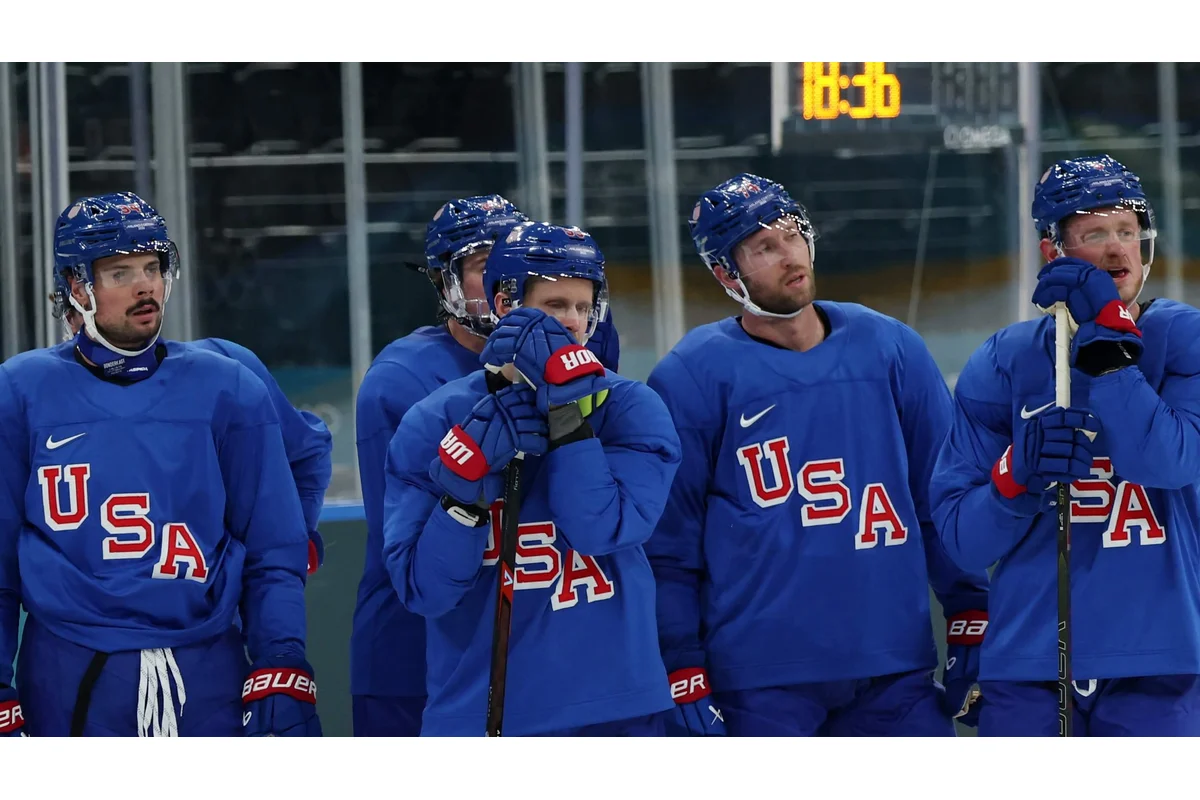
The NHL’s return to the Olympic Winter Games Milano Cortina 2026 marks a significant milestone in NHL Olympic hockey collaboration, reflecting improved cooperation between the NHL, NHL Players’ Association (NHLPA), and the International Ice Hockey Federation (IIHF). Speaking at a press conference in Milan’s Santagiulia Arena, NHL Commissioner Gary Bettman highlighted how this strengthened alliance led to the League’s decision to rejoin the Olympics and laid the groundwork for future international best-on-best competitions.
This partnership aims to grow hockey globally by leveraging collaborative efforts between the three organizations, which have been engaged in extensive planning for upcoming events like the 2028 World Cup of Hockey and the 2030 Olympics.
Statements from NHL Leadership on Collaboration
Commissioner Gary Bettman emphasized the benefits of this tri-entity cooperation, stating,
“The hockey world from an NHL and NHLPA standpoint is in a better place when the Players’ Association and the League are cooperating, and internationally when these three organizations are collaborating the hockey world is in a better place,”
and added,
“And it gives us an opportunity to grow the game in places where we’re not as strong as say we are in North America. We look forward to continuing to collaborate with Luc in furtherance of growing the game. That’s the goal. The more things we can figure out to do together, the better it is for everybody.”
Similarly, NHLPA executive director Marty Walsh highlighted the fans’ desire for elite-level competition, explaining,
“Hockey fans and players want to see best on best,”
and continued,
“I think when you think about the Olympics, 4 Nations, World Cup of Hockey and when you think about the World Championships that they have every year, fans want to see the best players in the world. That’s what we’re seeing here between the three of us on the stage working collectively together to make sure that the fans in the world get to see best-on-best when they’re 18 years old and when they’re in the NHL.”
IIHF President Luc Tardif reflected on the challenges since NHL players last participated in the Olympics, saying,
“We didn’t have the best players in the world since Sochi and it was time to find a solution because all of us in our different organizations, we want to grow the game,”
and added,
“So, it was important to bring all the players to the best competition. … It was two years of discussion but yesterday when we saw the tournament start, everybody smiling, the players also, it means we did our job.”
Contextualizing NHL’s Absences from Recent Olympics
The NHL’s participation in the 2026 Olympics marks its first involvement since 2014. The League had declined to send players to the 2018 PyeongChang Games due to business considerations and opted out of the 2022 Beijing Olympics over pandemic uncertainties impacting the season and operations.
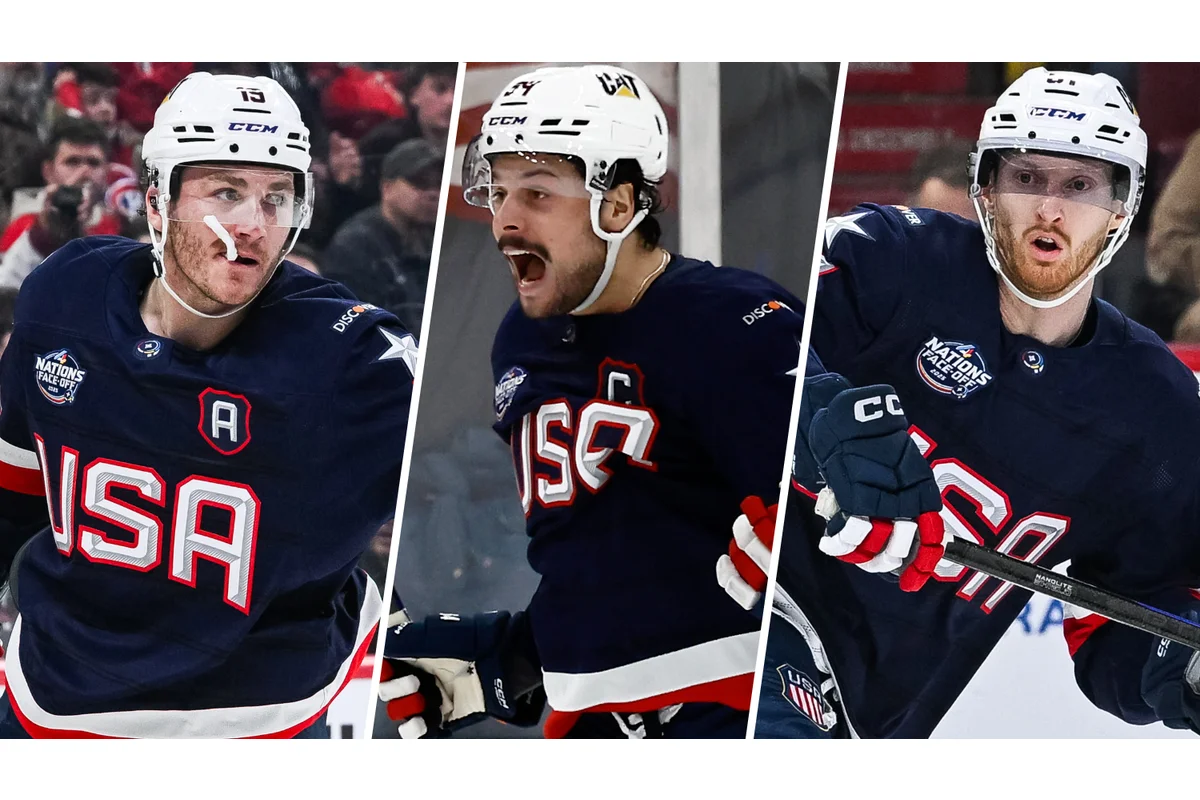
The presence of the NHL, NHLPA, and IIHF representatives in Milan highlights the results of two years of collaboration and planning to overcome obstacles that previously prevented NHL players from competing on the Olympic stage.
Enhanced Access and Promotion at the Olympics
A crucial factor in facilitating NHL participation is the International Olympic Committee’s (IOC) increased flexibility regarding scheduling and content creation. Commissioner Bettman noted that compared to earlier Olympic events featuring NHL players—such as those in 1998, 2002, 2006, 2010, and 2014—the League has more freedom during the 2026 Games. This includes greater ability for players to generate and share content actively, which the NHL can amplify through its channels.
“
Players are allowed to create content as participants; we’re allowed to retweet it,
”
Bettman explained, underlining the evolution in IOC cooperation. He added,
“In some respects, we have better access than we did before. There’s been some cooperation in terms of joint logo use. It will continue to evolve over time as the IOC continues to recognize as it relates to the Winter Olympics in terms of sheer mass, there’s nothing that compares to the hockey. There has been an evolution over time. … I think over time we will continue to evolve.”
Overcoming Rights and Timing Challenges
Historically, the IOC’s contractual agreements with its exclusive rightsholders limited the NHL’s promotional capabilities. Bettman acknowledged the importance of respecting these agreements but expressed the desire to improve the League’s ability to celebrate iconic moments, such as Sidney Crosby’s golden goal in Vancouver 2010.
“
I do respect the fact that the IOC has important rightsholders that pay them a lot of money for those rights and some of the exclusivity that goes forward with it,
”
Bettman said.
I do believe we have cooperated well particularly in North America with NBC and CBC. But we’re always looking to do better. Having access to things like Sidney Crosby’s goal in Vancouver is important over time that we’re able to promote it. It’s good promotion for hockey but it’s also good promotion for the Olympics as well as the NHL.”
Additionally, the IOC has shown increasing understanding of the NHL’s unique position, as the League must pause its regular season mid-way to allow player participation in the Olympics, a disruption Bettman described as “an imposition.”
He stated,
“I think over time that’s something that the IOC has begun to respect more and more and something that Luc and the IIHF have clearly understood.”
Future Outlook for International Hockey Events
The partnership between the NHL, NHLPA, and IIHF is setting the stage for a sustainable, ongoing cycle of premier hockey competitions. The organizations plan to hold the World Cup of Hockey in 2028, followed by a return to Olympic competition in 2030. This two-year rhythm of best-on-best events aligns with fans’ and players’ aspirations to see the top talent compete regularly on the global stage.
Commissioner Bettman indicated that further details on the 2028 World Cup will be announced after the 2026 Olympics, reinforcing the commitment to maintaining hockey’s international profile and growth.
He concluded,
“This entire process, if we’re giving you any sense of it, should continue to evolve and depends on the collaboration and partnership that the three organizations before you right now have been able to establish. We think we’re laying a foundation that we can grow upon for the good of the game.”
