
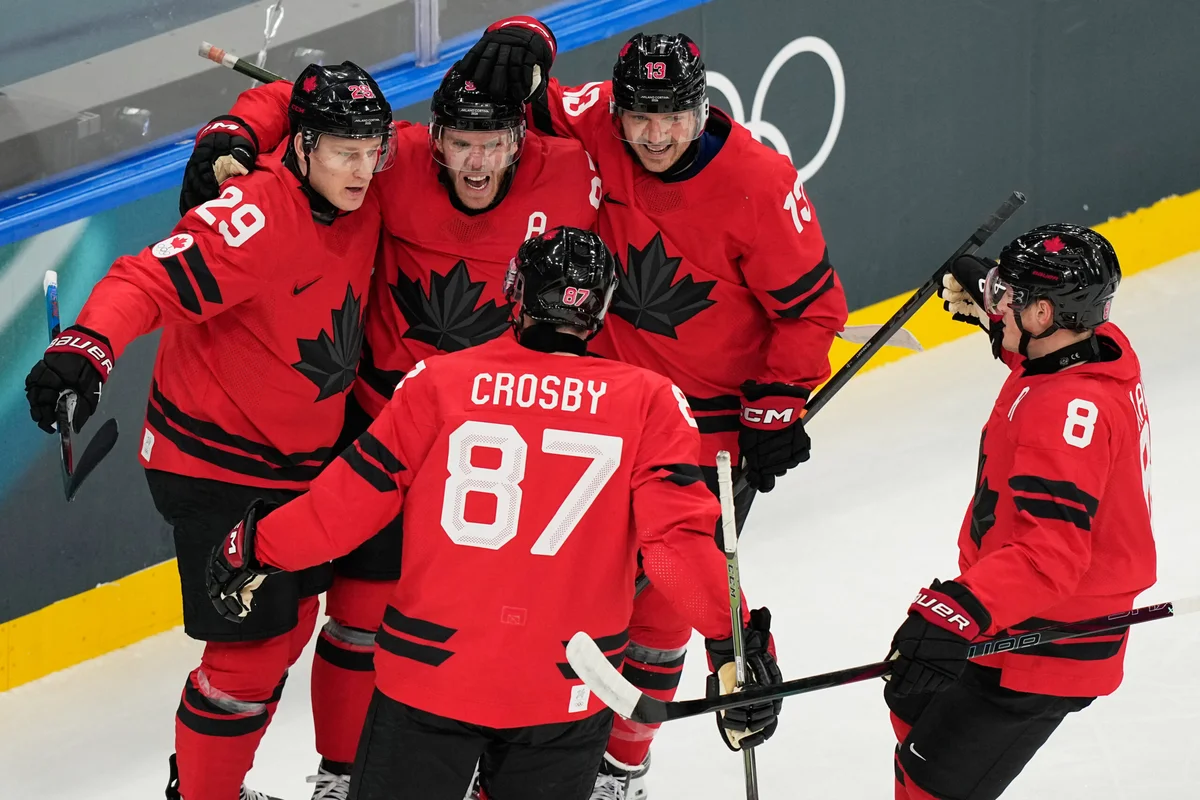
During the recent Olympic matchup, Team Canada secured a 5-1 win over Switzerland, with Colorado Avalanche star Nathan MacKinnon delivering a strong performance. MacKinnon scored once, assisted twice, took four shots, and maintained a plus-minus rating of +2 in 16 minutes and 28 seconds on the ice over 24 shifts. Meanwhile, teammate Cale Makar contributed two assists and four shots over nearly 22 minutes across 30 shifts, finishing with a +2 rating despite a minor error that led to Switzerland’s sole goal.
Late in the first period, Team Canada’s coaching staff, including Tampa Bay Lightning’s Jon Cooper, made a lineup adjustment, positioning Connor McDavid at center with Macklin Celebrini on left wing and MacKinnon on right wing. This tactical change underscores the depth of talent available, allowing coaches to experiment with combinations to maximize team impact. The Avalanche have demonstrated similar flexibility, such as when Jared Bednar moved Ross Colton to MacKinnon’s line, resulting in Colton’s exceptional performance alongside the team’s top scorer.
With a healthier Avalanche roster now, there is less need for frequent lineup changes. Key players like Gabriel Landeskog have shifted between the second and third lines while regaining form after injury, showing the strategic adjustments coaches make to integrate returning athletes smoothly back into game rhythm.

Expectations for Avalanche’s Post-Olympic Performance
The Colorado Avalanche have faced moments of inconsistency this season, despite leading the NHL in points. Concerns exist that the team might experience another performance dip, but the participation of several Avalanche players in the Olympic tournament could act as a catalyst for renewed energy and focus when they return to NHL play.
Some Avalanche Olympians are currently in scoring droughts—Victor Olofsson, Martin Necas, and Cale Makar have each gone six games without registering a goal. Meanwhile, Nathan MacKinnon has recorded five goals over his last 15 games, a moderate output considering his usual standards. Gabriel Landeskog, recently back from broken ribs sustained in early January against the Panthers, has played two games post-injury and netted one goal alongside six shots.
In terms of assists, Makar leads the Avalanche Olympians with three, while MacKinnon and Landeskog each have two, demonstrating their playmaking contributions even when goals are less frequent. The intense competition and elevated pace of Olympic hockey serves to sharpen these players’ skills and mental toughness, potentially benefiting the Avalanche when NHL action resumes.
The mental demands of hockey are critical over a long season, especially when athletes participate in additional high-speed, high-stakes games like those in the Olympics. Maintaining both physical and psychological stamina could be key for these Avalanche players to sustain a strong push through the remainder of the NHL schedule.
Implications for the Stretch Run of the NHL Season
The Olympic break offers Colorado Avalanche players a challenging environment that will likely enhance their preparedness for the NHL’s latter stages. With veterans like MacKinnon, Makar, and Landeskog gaining valuable ice time and facing top-tier opponents, the team may emerge with renewed confidence and sharper performance levels. How well these players translate their Olympic experience back to the Avalanche organization could have a significant influence on their pursuit of continued success during this critical phase of the NHL season.
We got a glimpse at a Macklin Celebrini, Connor McDavid, and Nathan Mackinnon line which has a combined 270 NHL points this season…
Absurd. 😳
📺: Canada vs. Switzerland #MilanoCortina2026 #WinterOlympics action is LIVE on @peacock, @cbcsports, and @cbcgem! pic.twitter.com/ayPllioDEg
— NHL (@NHL) February 13, 2026
