
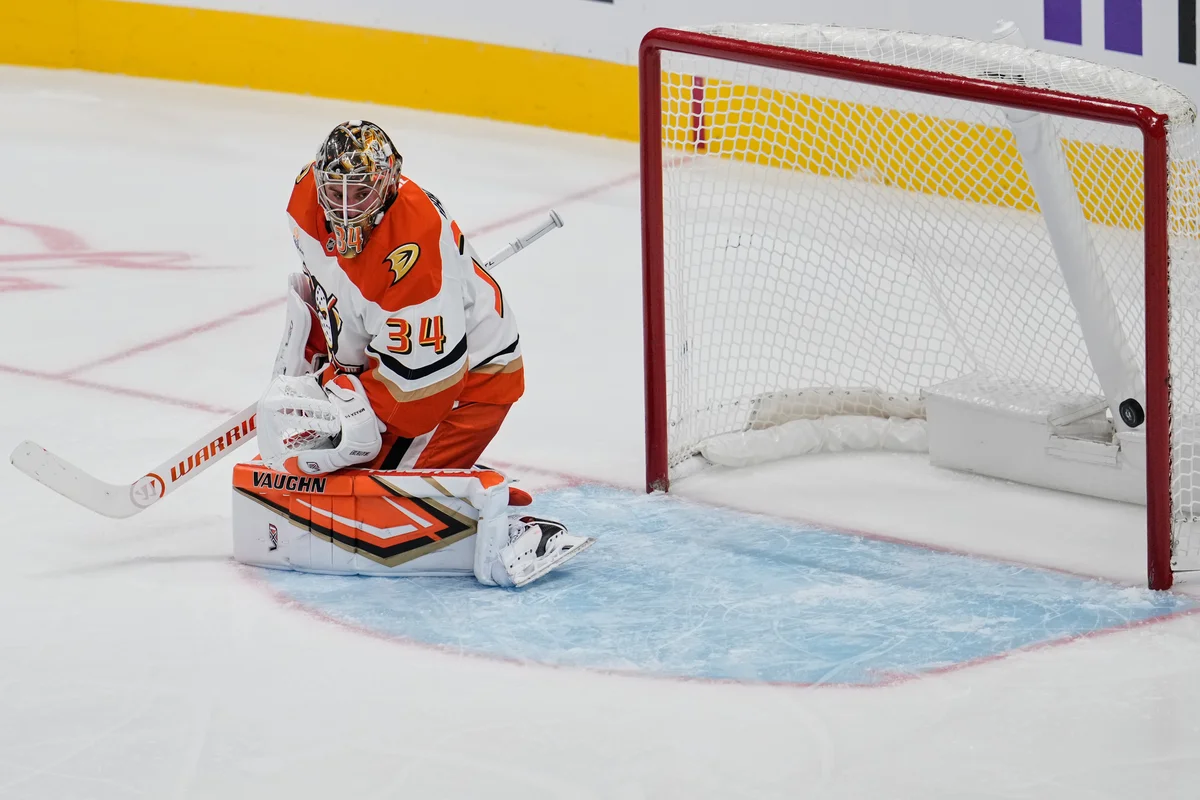
Late in the semifinal between Canada and Finland, Canada took a 3-2 lead that proved decisive, but doubts linger over a crucial goal involving Juuse Saros goalie interference. Finland challenged a previous goal for offside immediately after Canada’s go-ahead score, but the call on the ice remained unchanged, sending Canada to the gold-medal game. Yet, questions persist about whether Brad Marchand’s interaction with Finnish goalie Juuse Saros impacted the outcome earlier in the match.
Analysis of Marchand’s Positioning and Contact with Saros
Before Shea Theodore scored the tying goal for Canada, Brad Marchand was engaged in a physical battle with Finland’s Erik Haula in front of Saros’s net. At one point, Marchand stepped into the crease and collided with Saros as the goalie made an initial save, causing Saros to fall and scramble back to his feet. This disruption allowed the puck to reach Travis Sanheim, who then passed it to Theodore for a quick shot.
Central to the debate is whether Marchand’s contact constitutes illegal interference under the IIHF’s 2025-26 Rulebook, particularly Rule 69.1. This regulation maintains that attacking players’ positions inside the crease alone do not automatically nullify goals. A goal can only be disallowed if the attacker either hinders the goalie’s ability to move or defend by relevant contact or intentionally initiates contact inside or outside the crease.
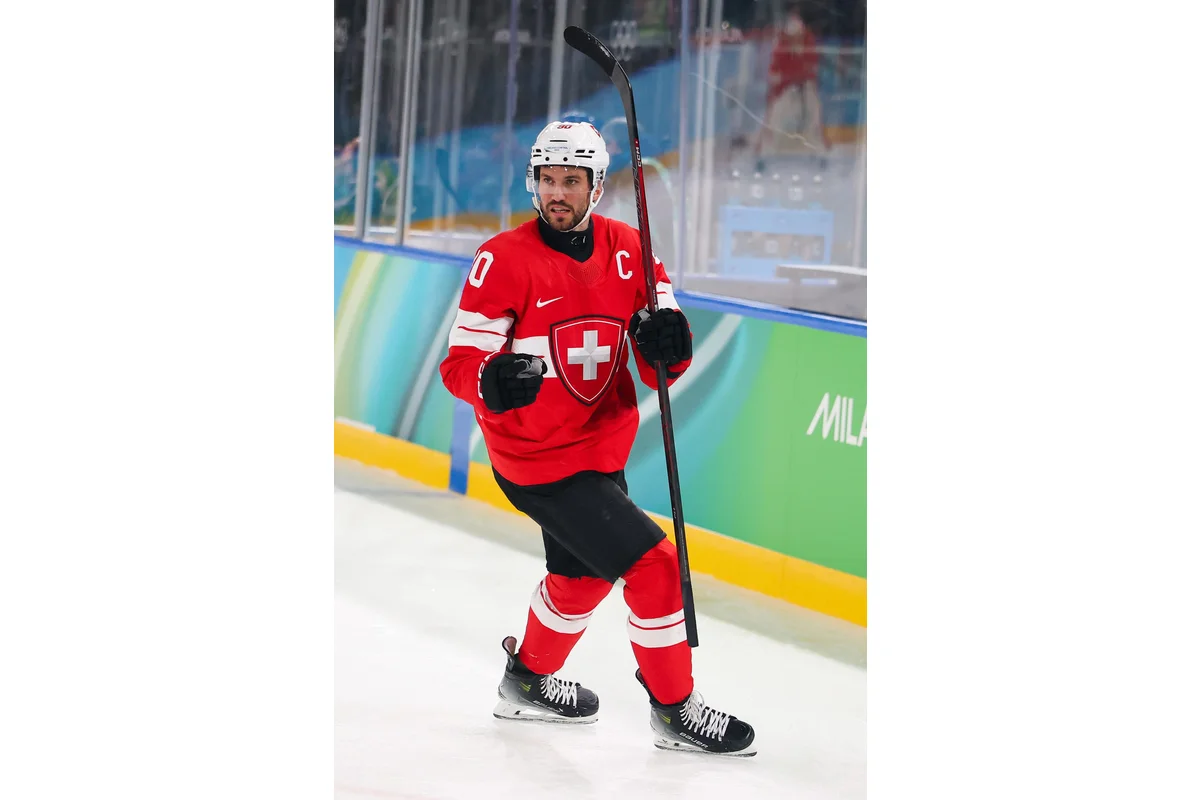
The rule distinguishes incidental contact, which is permitted if the attacking player made reasonable efforts to avoid it, from deliberate interference that impedes the goalkeeper’s freedom within the crease. Therefore, two key questions arise: Did Marchand intentionally make contact with Saros, and did that contact impair Saros’s ability to defend his goal?
Perspectives from the Players Involved
The players directly involved offered conflicting views. Marchand stated,
“What did I see? I kind of got shoved into him, and we know that you can’t be in the paint when a goal goes in, so I just tried to get out of the paint and whack the puck back up top and then get out of the way so guys could kind of shoot it,”
Marchand said.
“Honestly, once I got in the paint and kind of got pushed at him, I was just trying to get out of the way again.”
In contrast, Saros explained,
“I mean, yeah, obviously he’s laying top of me, so that’s why I can’t get up. But yeah, it is what it is.”
Challenges of Overturning Goalie Interference Calls in High-Stakes Play
Overturning goalie interference calls has historically been difficult, especially in playoff settings. According to Anaheim Ducks video coach Andrew Brewer, NHL teams had approximately a 50% success rate challenging goalie interference during the regular seasons of 2023-24 and 2024-25. However, in playoff scenarios, that success rate dropped below 30%. This pattern suggests referees are highly cautious when reconsidering such calls in critical moments.
In the current NHL season, teams have a losing record on goalie interference challenges, standing at 22 wins and 43 losses. Although the Marchand-Saros incident happened in international hockey, recent NHL examples offer useful context for understanding how such cases might be judged.
Recent NHL Examples Similar to Marchand’s Incident
On December 3, during a game between Washington and San Jose, the Sharks challenged a Capitals’ goal for goalie interference. Hendrix Lapierre made contact with Washington goalie Yaroslav Askarov, but Askarov regained his position before the puck crossed the line. The goal was upheld because the contact did not disrupt Askarov’s ability to defend his crease.
In contrast, a January 16 game between Carolina and Florida involved Eetu Luostarinen colliding with Florida goalie Brandon Bussi, knocking Bussi’s stick away. Florida successfully defended the no-goal call after challenging, as the contact was deemed to have impaired Bussi’s freedom to move and defend.
Both incidents illustrate that for a goal to be disallowed, the goalie’s ability to react and defend must be demonstrably hindered. This is a crucial factor when comparing these NHL examples to the Marchand-Saros play.
Implications for the Game and Future Reviews
Marchand’s contact with Saros, while visible, did not clearly prevent the goalie from recovering and facing subsequent shots. Under NHL standards, the goal likely would have been allowed because Saros managed to reposition before the puck was directed on net again. Had Finland challenged the play and lost, they would have been short-handed with over nine minutes remaining in the period. Yet, international hockey officiating might interpret the interference rules differently, which adds to the ambiguity.
The decision not to challenge suggests Finland and their coaching staff viewed the call as marginal and a risk too great to take. Marchand confidently remarked,
“Well, I mean, if they didn’t like it, they would’ve challenged it. I knew it was a goal,”
underscoring how close and contentious the situation was.
Uncertainty Continues as Debate Lingers Post-Olympics
Like the offside review of Canada’s game-winning goal earlier in the match, the question of possible Juuse Saros goalie interference on the tying goal remains unresolved. Fans, analysts, and officials alike will continue to debate whether Marchand’s presence in the crease constituted illegal interference or was incidental contact within the rules.
This incident highlights the ongoing challenges referees face in fast-paced hockey moments, balancing the letter of the rule with the realities of physical play. As international hockey progresses, interpretations of interference rules and the willingness to overturn calls on video review may evolve, especially in high-stakes tournaments like the Olympics.
https://twitter.com/MollieeWalkerr/status/2024915349942976920
Jon Cooper on Brad Marchand potentially interfering with Juuse Saros on the tying goal:
“That’s Brad being Brad, and I like that Brad.
“I had no question that call was going to be made the way it was.”
— Matt Porter (@mattyports) February 20, 2026
