

With the NHL trade deadline set for March 6 and the Olympic pause now over, rumors are intensifying around Elias Pettersson of the Vancouver Canucks as a prime trade candidate. Detroit, positioned third in the Atlantic Division with a solid 33-19-6 record and Dylan Larkin as their established first-line center, lacks a reliable second-line center to strengthen five-on-five play, making Pettersson an attractive target.
Meanwhile, the Canucks are struggling deeply at 18-33-6, sitting last in the Pacific Division and undergoing a full rebuild after trading Quinn Hughes. Moving Pettersson while his value remains high would allow Vancouver to maximize returns ahead of their multi-year restructuring effort.
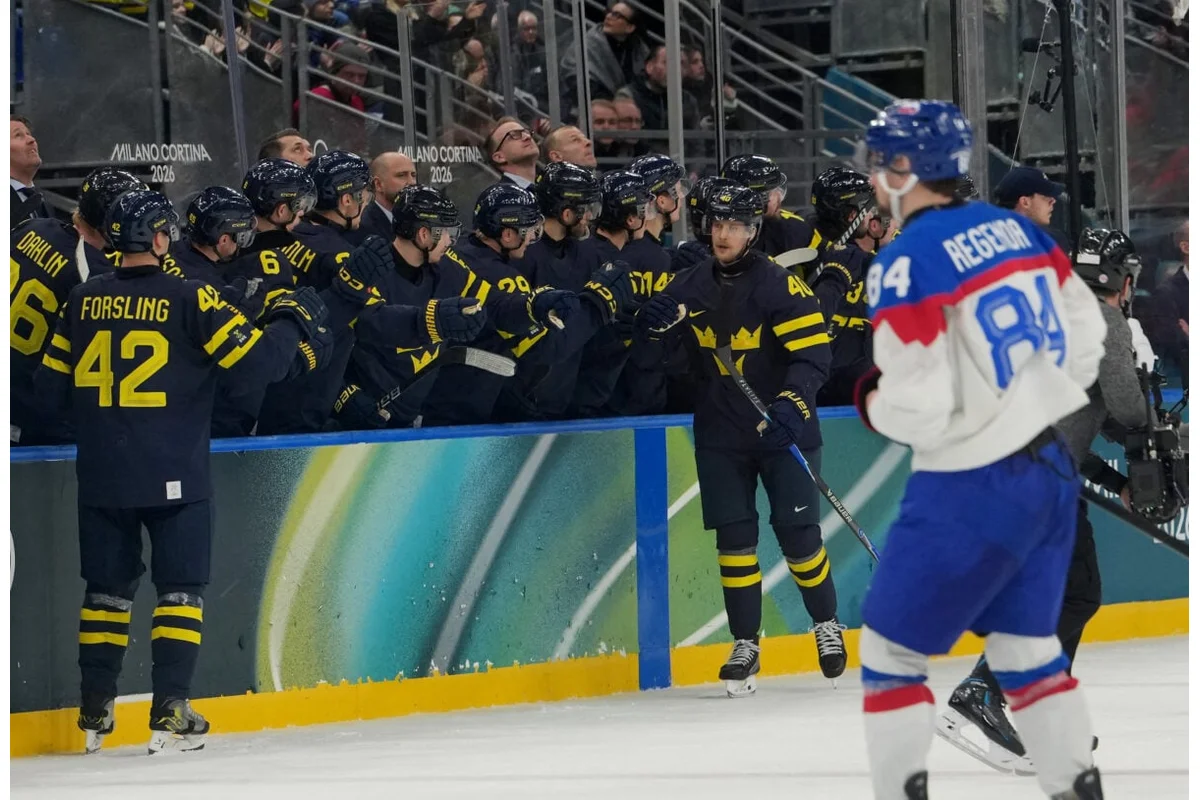
Two factors emerging during the Olympic break have intensified the speculation: first, the strong on-ice connection between Pettersson and Detroit’s Lucas Raymond representing Sweden, which could persuade Pettersson to waive his no-movement clause; second, Pettersson’s drop in productivity since his stellar 102-point season in 2022-23, influenced by a lingering knee injury that hampered his offseason training and performance.
Understanding the Decline: Injury’s Role in Pettersson’s Performance
Pettersson’s recent slump is sharp, but the underlying injury complicates the story. He played through a knee problem starting January 2024 that also affected him during the 2024 playoffs and prevented him from properly preparing in the offseason. These factors suggest his current statistics may not reflect his true capability.
A fully healthy Pettersson, integrated into a well-structured lineup like Detroit’s, presents a vastly different and more promising asset than his recent numbers imply.
Detroit’s Financial Flexibility Makes This Move Possible
Detroit is uniquely positioned among contenders to absorb Pettersson’s $11.6 million average annual value (AAV) without Vancouver needing to retain any salary. This preserves all of Vancouver’s three salary retention slots for potential future trades or signings.
Pettersson’s contract extends through the 2031-32 season, fitting within Detroit’s cap space, where they have yet to use any of their retention slots, leaving them maximum financial room to maneuver.
The Challenge Posed by Pettersson’s No-Movement Clause
One significant hurdle remains: Pettersson’s full no-movement clause grants him veto power over any trade. Public dissatisfaction in Vancouver has grown, particularly after a recent loss to Utah where he missed a late breakaway opportunity and failed to record a shot.
Whether mounting fan pressure will encourage Pettersson to agree to a trade is uncertain, but both his and the organization’s future might benefit from a fresh start elsewhere.
What Detroit Might Offer for the Canucks’ Star
Vancouver General Manager Patrik Allvin has made clear that Pettersson, a 27-year-old key player, will only be traded in exchange for a significant package. Detroit may consider including prospects such as Marco Kaspar to meet Vancouver’s demands while addressing their need for a second-line center.
Evaluating the Benefits and Risks for Detroit
Acquiring Pettersson represents a considerable risk. Committing $11.6 million annually through 2032 to a player currently on pace for about 56 points involves uncertainty. However, if healthy, Pettersson alongside Dylan Larkin could form a dominant center pairing in the Eastern Conference few teams could match.
At 27 years old, with injury-related context now understood, the potential for Pettersson to rebound boosts the appeal of the move. The critical factor remains whether Pettersson himself agrees to waive his no-movement clause and embrace the opportunity in Detroit.
